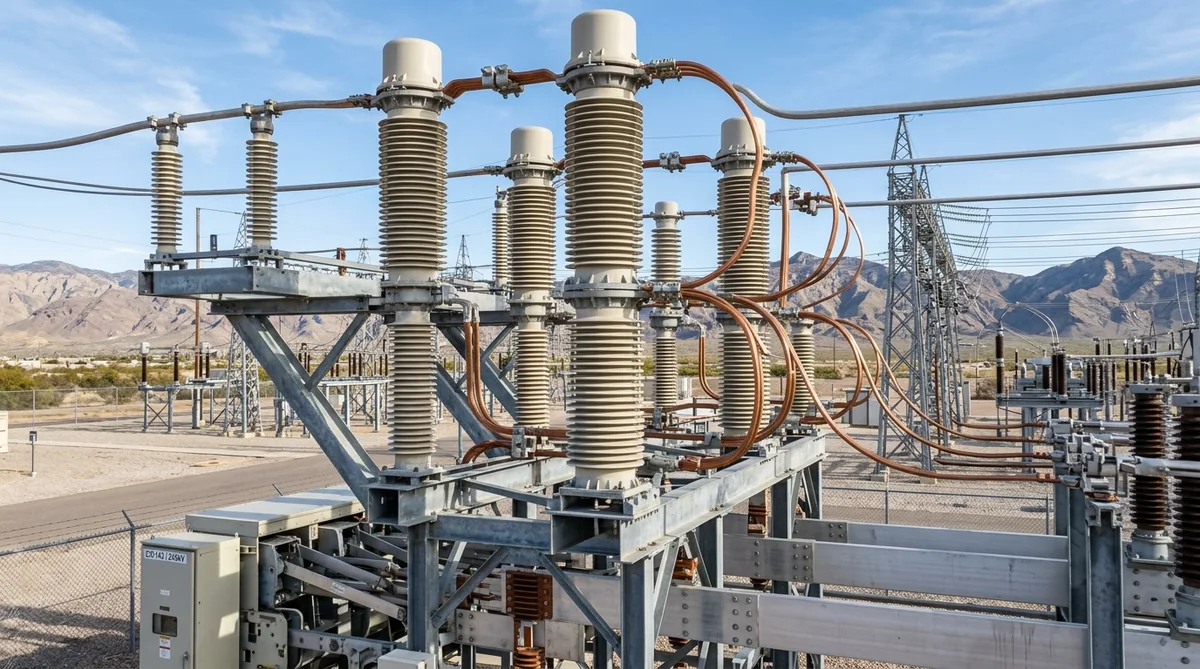
Every solar or wind project ends at an interconnection: a collector substation where the site’s medium-voltage feeders come together, step up and meet the utility. The metal at that point — switchgear enclosures, control and relay cabinets, metering, structures, skids, a control house — is a package that renewable EPCs buy project after project, and the projects do not stop. This guide covers what is in the package and how EPCs source it from a fabricator.
Renewable EPC packaging the interconnection and collector substation metal? Call 601.892.5017 or email collin.t@fabtekindustries.com — send a print and a quantity and we’ll quote it.
- The interconnection is a substation, and its enclosures and steel are the same products utilities buy.
- The package is switchgear enclosures, control and relay cabinets, metering, structures and stands, skids and a control enclosure.
- EPCs that bundle the package with one fabricator get one schedule, one finish lot and one set of drawings.
- The utility’s interconnection standard governs the metering, relaying and structure details — get it early.
What is in the package
| Collector switchgear enclosures | Outdoor metal-enclosed switchgear housings for the feeder breakers and main; NEMA 3R, often walk-in; see walk-in switchgear enclosures |
|---|---|
| Control and relay cabinets | Relay panel enclosures, RTU and SCADA cabinets for the plant controller and utility telemetry; see relay enclosures and RTU cabinets |
| Revenue metering | Metering cabinets and CT/PT junction cabinets to the utility’s standard; see metering cabinets |
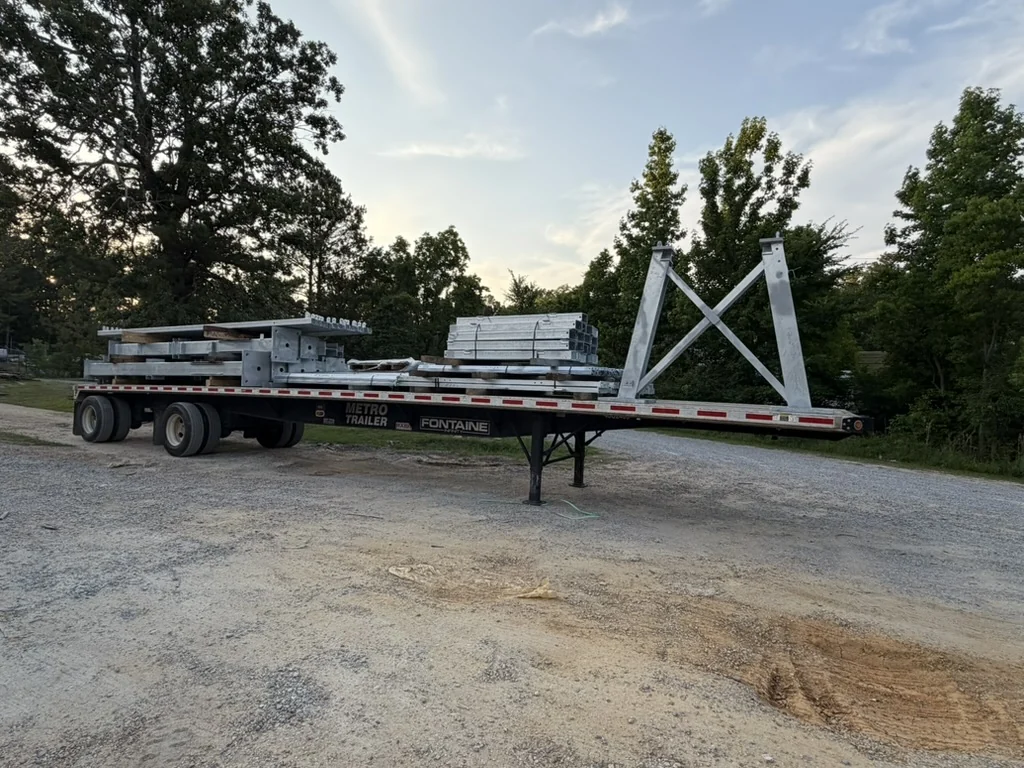
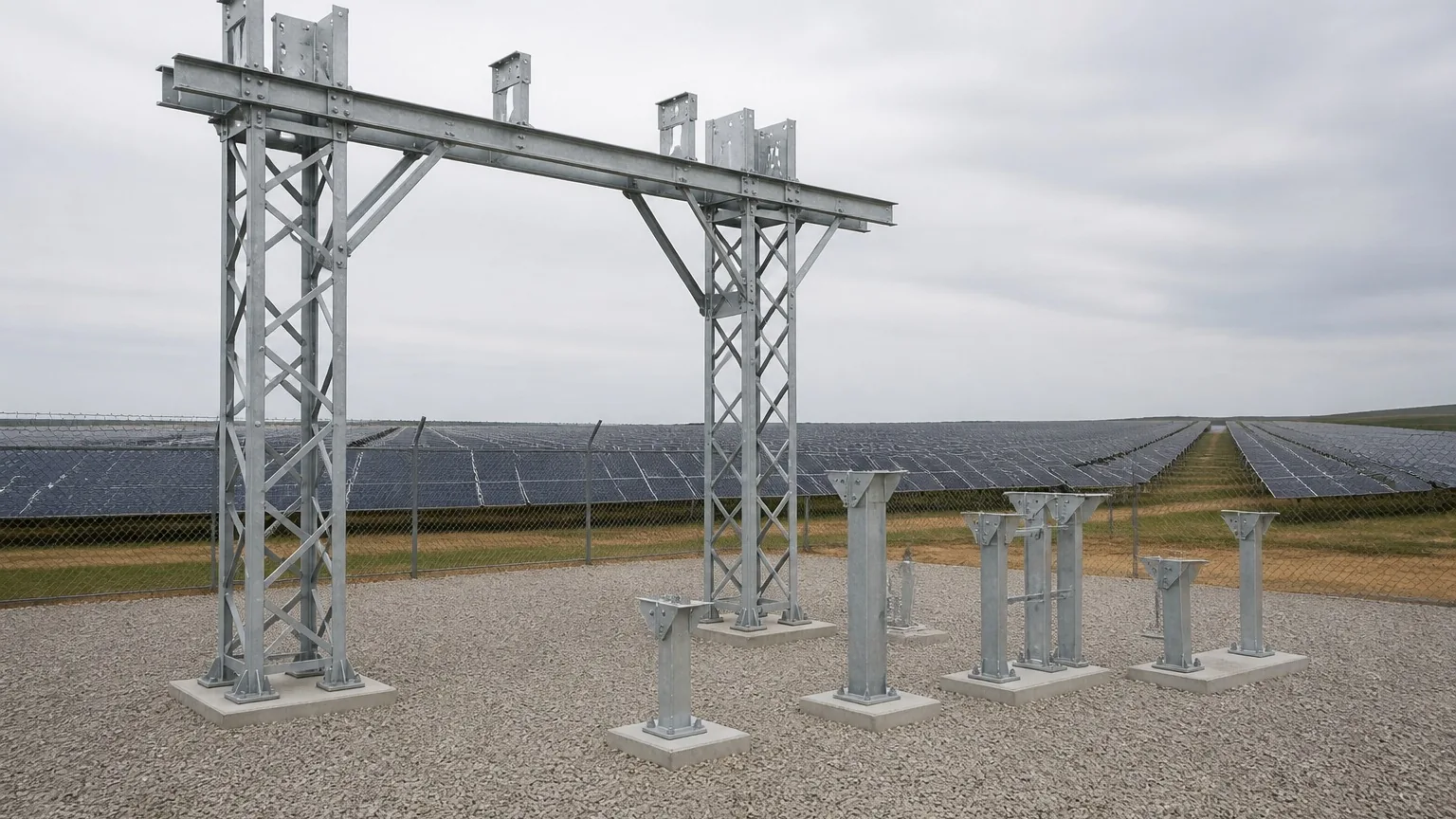
| Substation steel | Dead-end and bus support structures, equipment stands, cable tray supports; see substation structures |
| Skids | Power conversion, auxiliary power and station service skids; see power skids |
| Control enclosure | Prefabricated control house or E-Room for relaying, SCADA and the station battery; see control house vs. prefab enclosure |
| Storage | BESS enclosures and PCS housings where storage is co-located; see BESS enclosures |
The utility’s standard governs
The interconnecting utility sets requirements for the metering, protection and often the structures on its side of the point of interconnection: meter form and cabinet, relay functions and test switches, CT/PT accuracy and junction cabinets, structure and clearance standards, nameplates and colors. Those arrive in the interconnection agreement and the utility’s standards, and they have to reach the fabricator’s prints. EPCs that wait for the utility review to finish before releasing enclosures lose weeks; the better path is to release the structures and switchgear enclosures that do not depend on the review and hold the metering and relay cabinets until it is done. The sequence is described in how a substation project starts and the long-lead equipment order.
Site conditions
Solar sites are in deserts, farmland and coastal plains; wind sites are on ridges and plains with high wind loads. The enclosures and structures carry the site’s wind, snow and seismic loads from the project engineer, and the finish is chosen for the exposure: powder coat to a salt-spray spec inland, stainless or enhanced systems on the coast, galvanized structures throughout. Dust is the day-to-day enemy for cabinets with electronics, so filtered ventilation and sealed entries matter more here than at a suburban substation. Seismic and wind requirements and choosing a finish cover the decisions.
Why EPCs bundle the package
- One schedule — structures, enclosures and skids sequenced to the site’s erection plan from one plant, instead of five suppliers with five dates; see delivery sequencing.
- One finish lot — every cabinet and enclosure in the yard the same gray from the same powder lot.
- One drawing set — the fabricator’s detailer coordinates anchor patterns, cable entries and structure interfaces across the package.
- Repeatability — the next project’s interconnection is largely the same package; the fabricator holds the drawings.
- One point of contact — a named person who knows where every item in the package is.
FabTek supplies the full package from the EPC contractor and renewables and energy storage lines.
The interconnection is the one part of a solar project that looks exactly like a utility substation, because it is one. The EPC that treats it that way buys the metal the way a utility does.
What to send
The single-line and general arrangement, the utility’s interconnection standards, the site loads, the switchgear OEM’s drawings, the panel layouts for the control enclosure, the metering and relay requirements once the utility review is complete, the finish spec, and the erection sequence with required-on-site dates per item. The substation procurement checklist and substation steel buyer’s guide cover the structure side in detail.
FabTek Industries fabricates the enclosure and steel package for solar and wind interconnections and collector substations — switchgear enclosures, relay, RTU and metering cabinets, substation structures and stands, skids, control enclosures and BESS enclosures — sequenced to the site schedule, under an ISO 9001:2015 quality system with AWS-certified welding, from four production sites in Hazlehurst, Mississippi. See how we work with EPC contractors, or send us the general arrangement.
Working on something like this? Send a print or a scope — pricing and lead time within one business day, from four Mississippi plants.
Frequently asked questions
What enclosures are needed at a solar interconnection?
Outdoor switchgear enclosures for the collector feeder breakers and main, relay and SCADA cabinets for protection and telemetry, revenue metering and CT/PT cabinets to the utility’s standard, a control enclosure or house for relaying and the station battery, and where storage is co-located, BESS and PCS enclosures.
Who sets the metering and relay cabinet requirements at an interconnection?
The interconnecting utility, through the interconnection agreement and its standards: meter form and cabinet, relay functions and test switches, CT/PT accuracy and junction cabinets, nameplates and colors. Those requirements have to reach the fabricator’s prints.
Why do renewable EPCs buy the interconnection package from one fabricator?
One schedule sequenced to the erection plan, one finish lot across every enclosure, one coordinated drawing set for anchor patterns and interfaces, repeatability from project to project, and a single point of contact for the whole package.
What site conditions affect enclosures at solar and wind sites?
Wind, snow and seismic loads from the project engineer, dust that demands filtered ventilation and sealed entries on cabinets with electronics, and exposure that sets the finish — powder coat to a salt-spray spec inland, stainless or enhanced coatings on the coast, galvanized structures throughout.