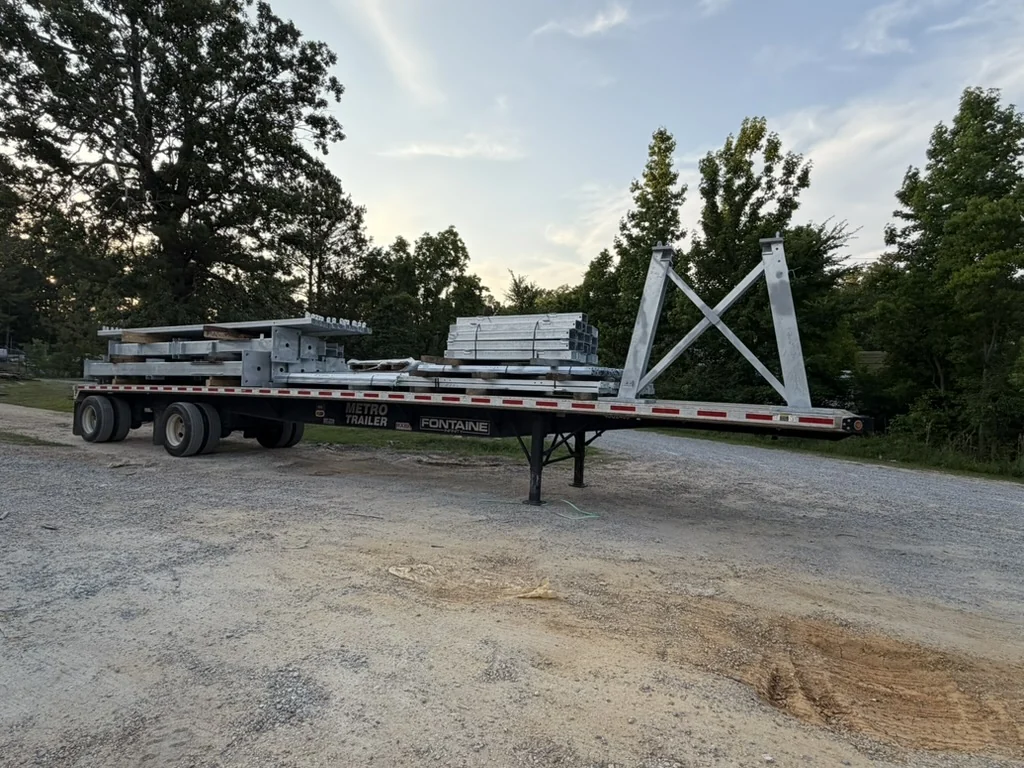
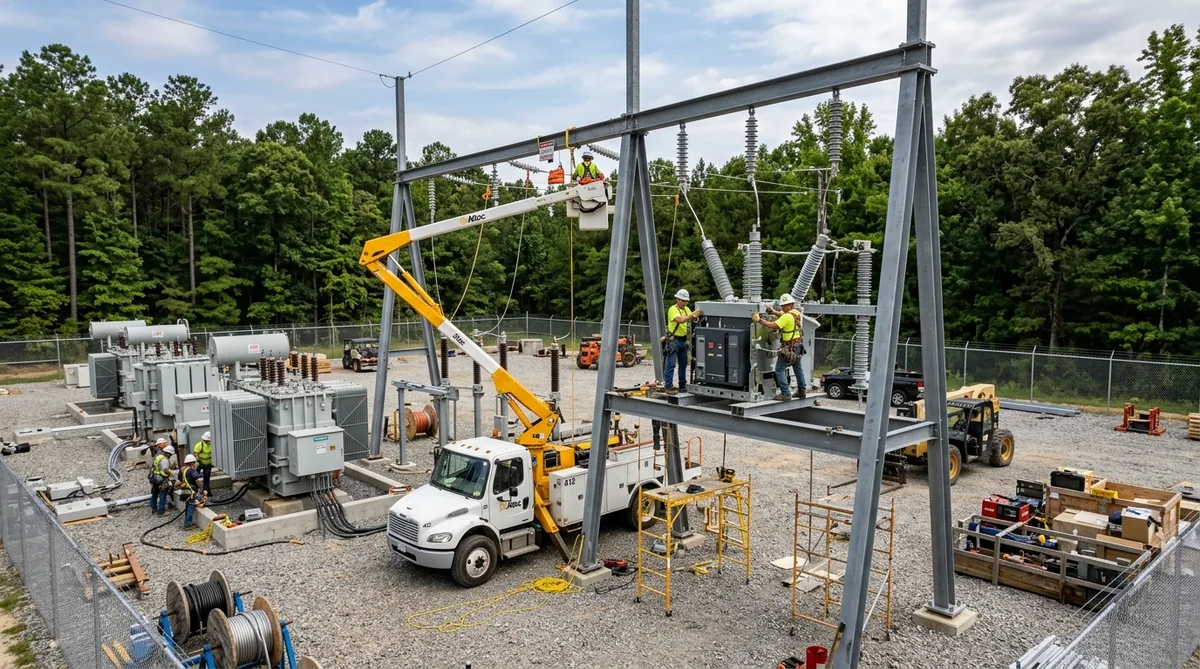
Strain and dead-end structures, A-frames and H-frames for substations and switchyards — detailed to your layout, fabricated and galvanized to spec, and erected by our own crews if you want one source for steel and install.
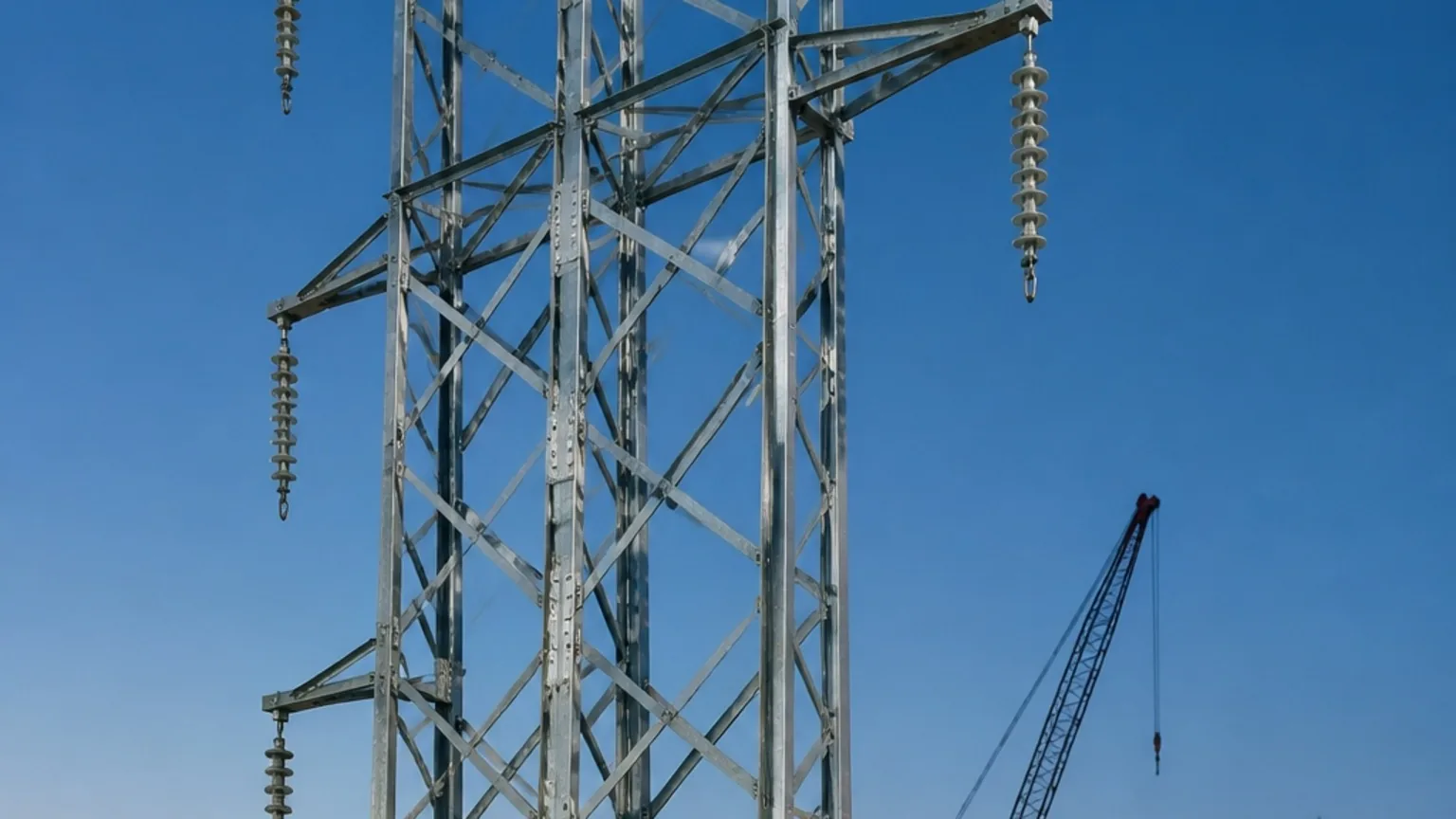
A dead-end structure is where the transmission or distribution line stops and the substation begins. It carries the full conductor tension of the incoming span, plus wind and ice, plus the weight of insulator strings and hardware, and it has to hold that load without deflecting enough to change the electrical clearances the layout depends on. That is why dead-ends and A-frames are the heaviest, most detail-sensitive steel in a substation package, and why utilities and EPCs qualify a fabricator on them before anything else.
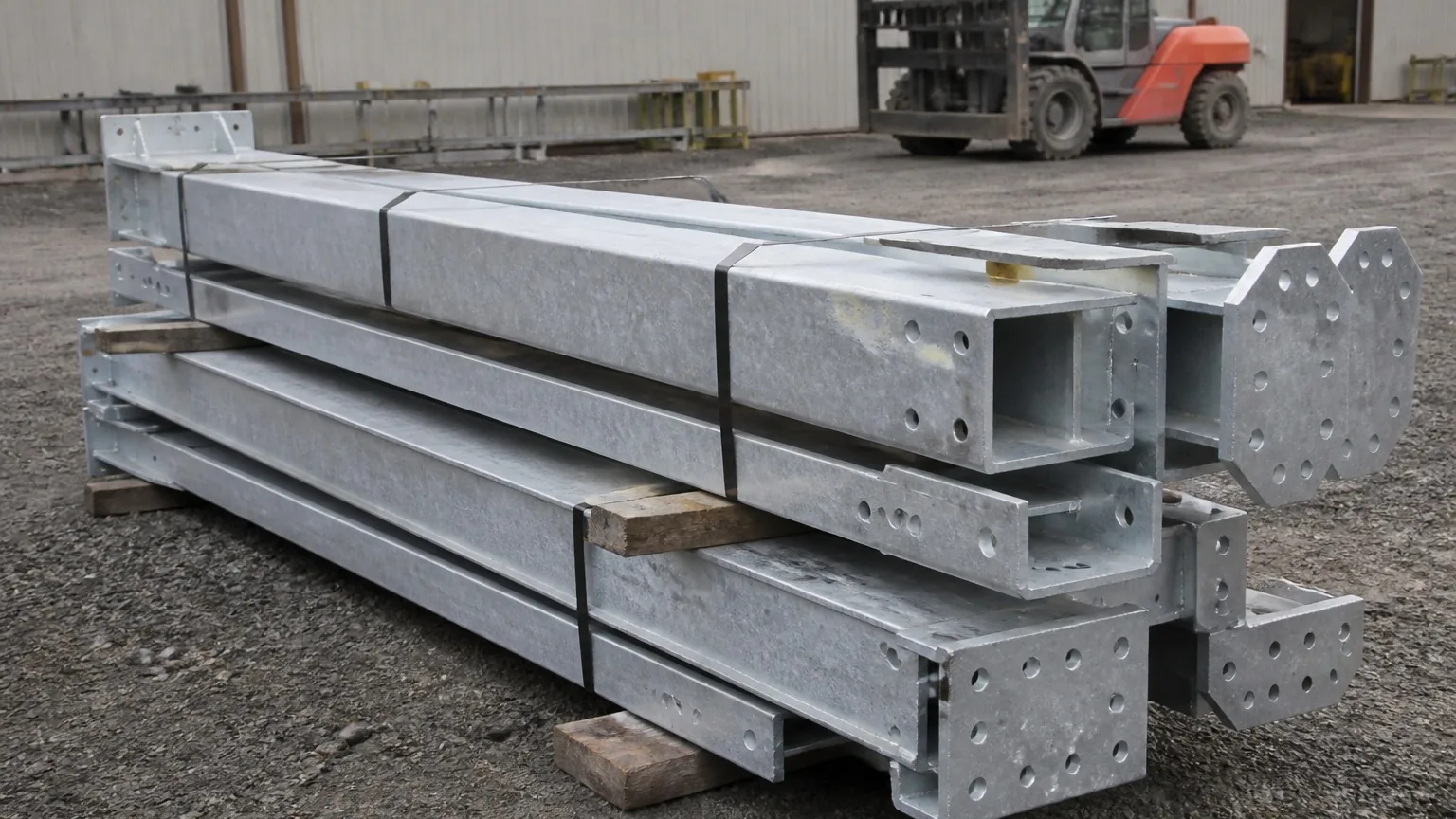
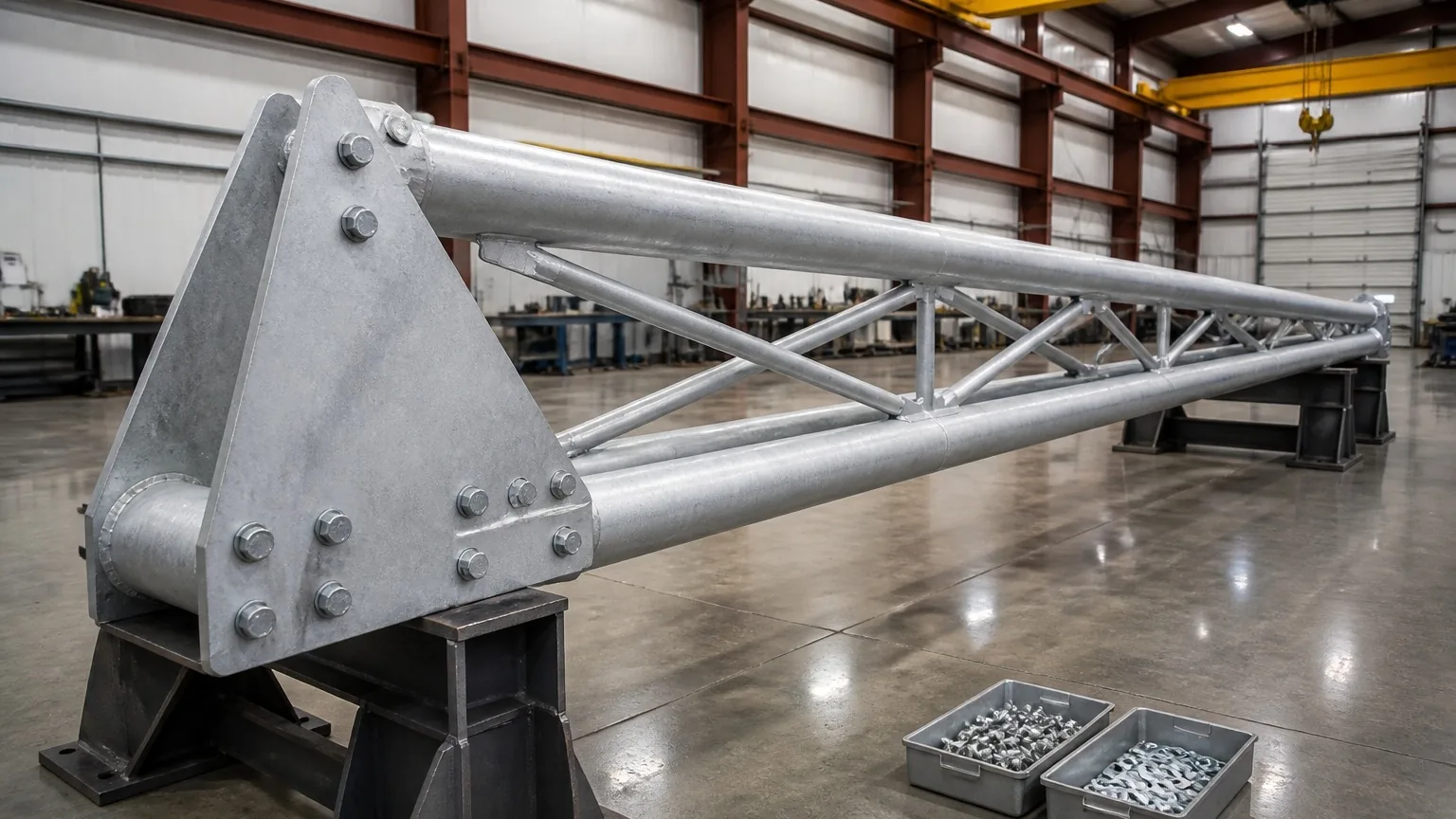
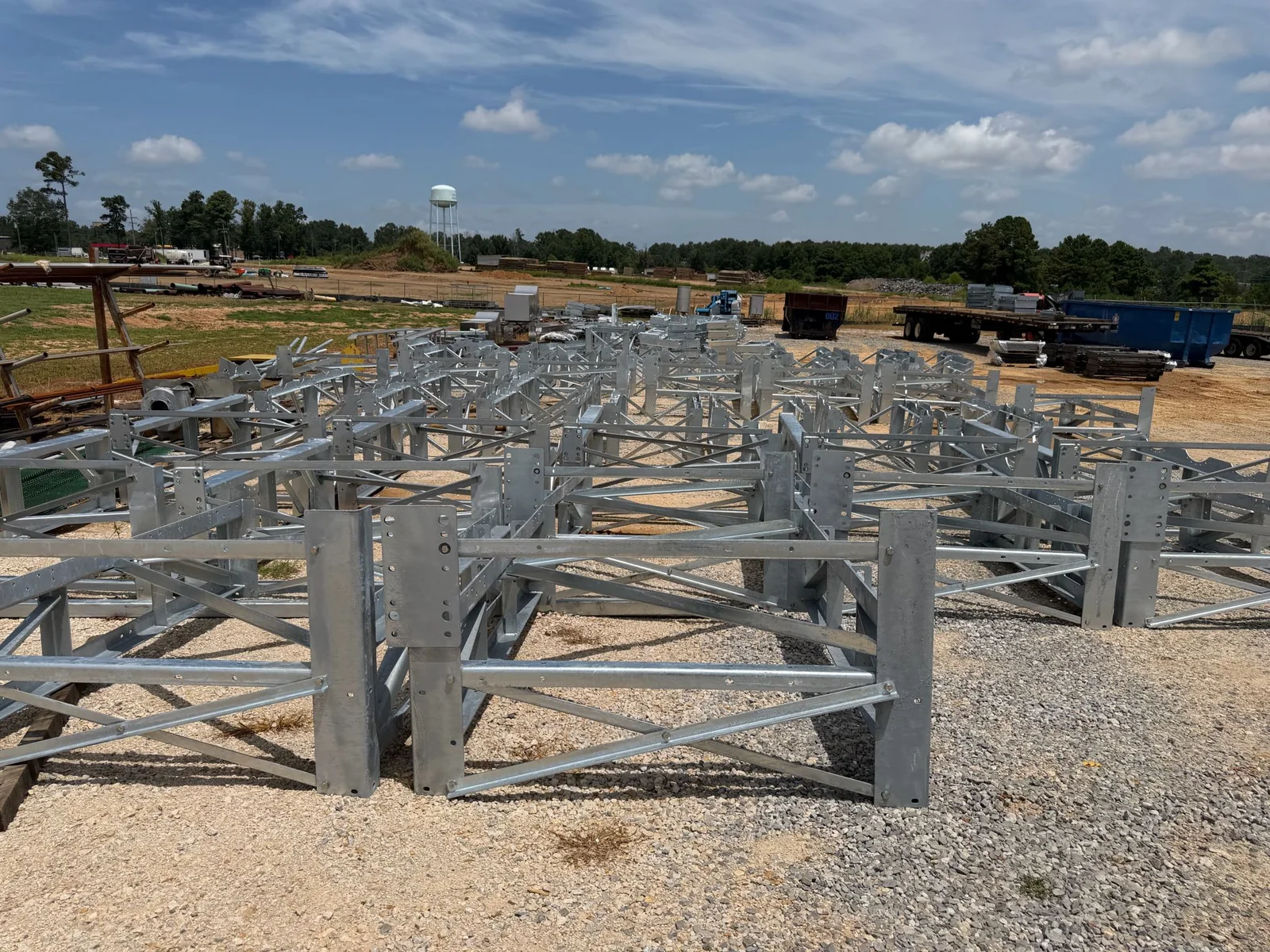
FabTek fabricates dead-end, A-frame and H-frame structures to the utility's or engineer's drawings at our Hazlehurst, Mississippi plants. Structural members are processed on a Voortman V807 robotic plasma line, welded to AWS D1.1 by certified welders, trial-fit where the drawings call for it, hot-dip galvanized to ASTM A123 and match-marked for erection. Every structure ships with material certs and weld inspection records under our ISO 9001:2015 system.
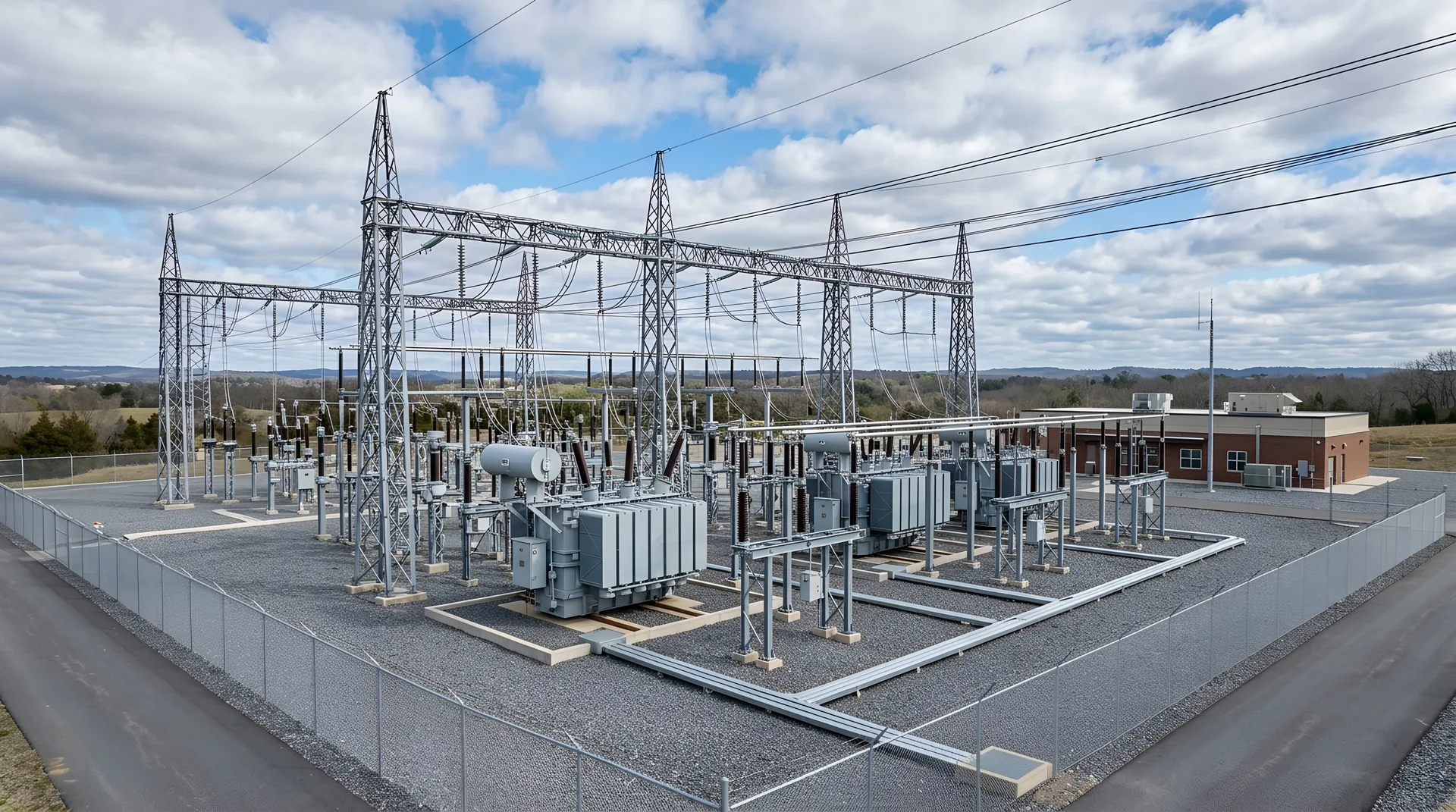
Single- and multi-bay dead-ends for incoming transmission and distribution lines, with shield-wire peaks and take-off arms per the line design.
Two-column A-frames with tie beams and bracing, for line termination and bus take-off at distribution and sub-transmission voltages.
H-frames and box bays for multi-circuit terminations and bus-run support inside the yard.
Send the structures package and we fabricate to it, including revision control across the release schedule.


Dead-end and A-frame structures terminate incoming lines at transmission, sub-transmission and distribution substations, at switchyards feeding generation, and at the customer-owned substations behind data center campuses and industrial plants.
Investor-owned and public-power utilities specify them in structures packages alongside bus supports and equipment stands; EPC contractors buy them as part of a turnkey substation scope; data center developers increasingly buy them directly when the utility hands off the on-site substation. In all three cases the fabricator's schedule and the fit-up at erection decide whether the steel is on the critical path or off it.
| Material | Structural steel — ASTM A36 and A572 Gr. 50 (shapes, plate, HSS and pipe per design) |
|---|---|
| Structure types | Dead-end (single- and multi-bay), strain, A-frame, H-frame, box-bay |
| Voltage classes | Distribution through transmission voltages per the utility's standard drawings |
| Connections | Bolted with galvanized hardware (ASTM A325/F3125 typical); shop-welded sub-assemblies |
| Finish | Hot-dip galvanized to ASTM A123; powder coat or duplex on request |
| Welding | AWS D1.1, certified welders, documented inspection |
| Hole tolerances | Per drawing and AISC/utility standard — see our bolt-hole tolerance spec sheet |
| Documentation | Material test reports with heat numbers, weld inspection records, galvanizing certs, match-mark drawings |
| Field service | Erection by FabTek crews available — see Substation Assembly |
| Also specified as | Dead-end structure, deadend structure, strain structure, line termination structure, substation A-frame, takeoff structure, pull-off structure |
Representative capabilities — exact ranges, ratings, and finishes are confirmed per project. Send drawings for a firm quote.
The most common failure on a dead-end package isn't a bad weld; it's steel that fits the drawing but not the yard. Foundations shifted an inch, a bus-support elevation changed at the last revision, an insulator string came in longer than the one the structure was detailed for. FabTek's engineering group reviews the structures package against the layout and the equipment submittals before we cut steel, flags the conflicts, and holds revision control across releases so the structure that ships matches the revision the erector is holding. Our Substation Project Lifecycle series — starting with how a substation project starts — walks through how that package comes together.
Built at four production sites in Hazlehurst, Mississippi.
ISO 9001:2015 quality management, AWS-certified welding, OSHA-compliant facilities.
In-house powder coat backed by an IEEE 2000-hour salt-spray certification.
Reserved-line capacity and the automation to grow with your volume.
Yes. We fabricate to the utility's or EPC's engineered drawings — dead-end, strain, A-frame, H-frame and box-bay structures — with AWS D1.1 welding, ASTM A123 hot-dip galvanizing and full material traceability.
FabTek Industries fabricates dead-end and A-frame structures at four plants in Hazlehurst, Mississippi, ships nationwide, and can erect the steel with its own field crews. Send the structures package for a quote.
A dead-end (or strain) structure is defined by its function — terminating a line and carrying full conductor tension. An A-frame is a structural form — two inclined columns tied at the top — often used as a dead-end at distribution and sub-transmission voltages. Our sourcing guide covers when each is specified.
Yes. Our substation assembly crews set and assemble the steel on site, so one organization owns the steel, the welds and the install.
Explore related lines: Substation structures & support steel · Bus supports & equipment stands · Substation assembly · Transmission structures
Further reading: Dead-end vs. A-frame sourcing guide · The structures package · Fabrication and galvanizing, step by step · Field erection


Have a structures package to quote? Send the drawings and the erection schedule — we'll come back with a fabrication plan and a firm price, typically within one business day.