Metering cabinets are small, numerous and unforgiving. A utility installs them at every commercial and industrial service, every substation feeder and every interconnection, and each one has to be tamper-evident, readable, testable and dry for decades. They are bought by the hundred to a standard drawing, which makes them a good fit for a contract fabricator that can hold a design and ship from stock. This guide covers what goes into the spec.
Utility standardizing a metering or CT/PT cabinet design? Call 601.892.5017 or email collin.t@fabtekindustries.com — send a print and a quantity and we’ll quote it.
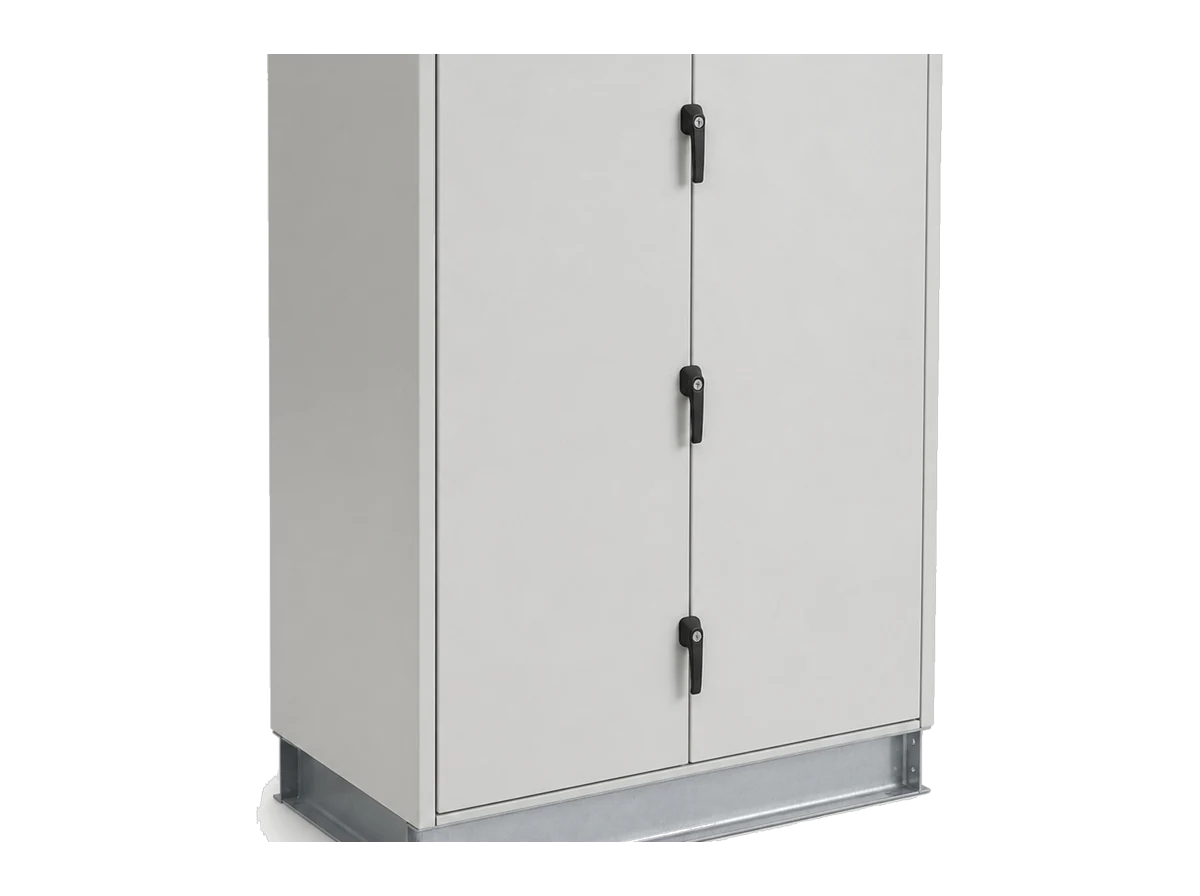
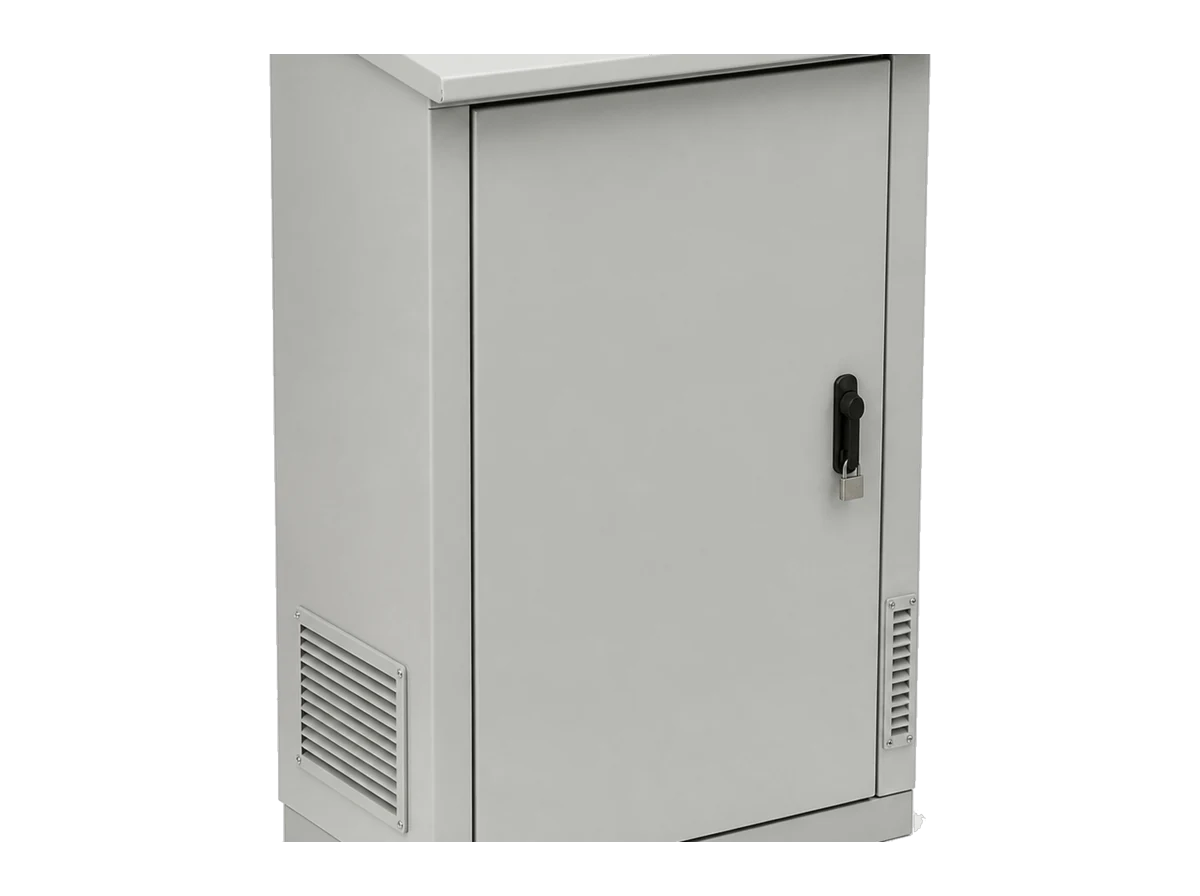
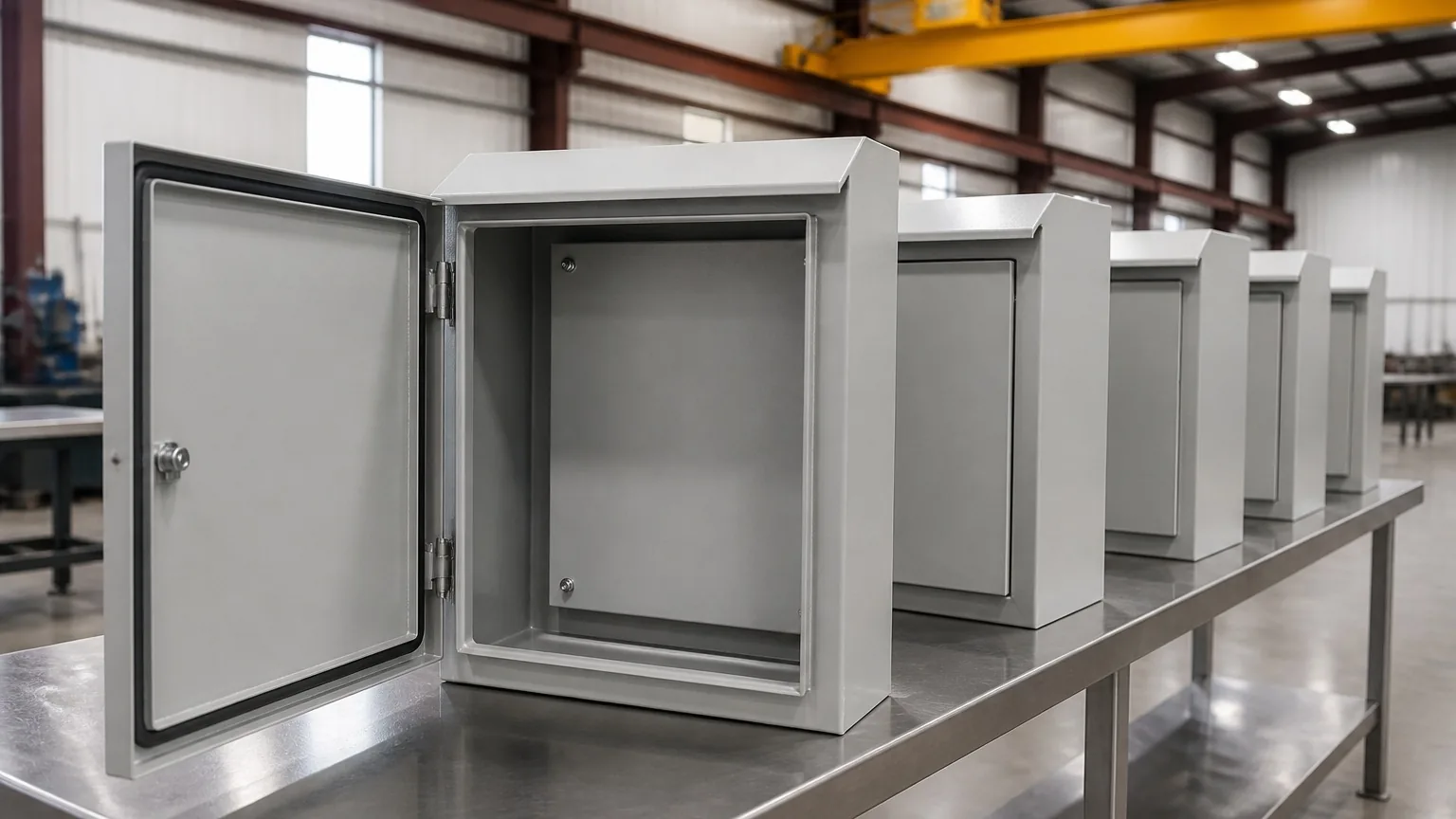
- Metering enclosures come in three families: meter cabinets, CT/PT junction cabinets and instrument transformer enclosures.
- Sealing, viewing windows and test-switch access are the defining features; the utility’s meter shop sets them.
- Outdoor metering cabinets are NEMA 3R minimum, with 4X stainless on the coast; interiors are laid out for the meter shop’s equipment.
- Utilities buy them in volume to a standard drawing; the fabricator holds the drawing and stock.
The three families
| Meter cabinets | House socket-type or transformer-rated revenue meters, test switches and terminal blocks; sealable door with a viewing window so the meter is read without opening; pad-, pole- or wall-mount |
|---|---|
| CT/PT junction cabinets | Marshal the secondary leads from instrument transformers in the yard or on the structure to the meter or relay panel; shorting-type terminal blocks, sealable cover, often on the transformer or structure |
| Instrument transformer enclosures | Weatherproof housings for low- and medium-voltage CTs and PTs at the service, with bus or cable landing provisions and a separate sealable metering compartment |
FabTek builds all three as metering and instrumentation cabinets, including the compartmented versions that combine CT landing and metering in one housing.
Defining features
- Seal provisions — sealable latch or hasp on every door that gives access to metering circuits, with the utility’s seal type; separate sealing of the metering compartment where customer access to the other compartment is required.
- Viewing window — polycarbonate window sized and positioned for the meter display, with a UV-stable gasket frame; sometimes a hinged cover over the window.
- Test switch mounting — rail or panel for the utility’s test switch, positioned so the meter technician can insert test leads with the door open.
- Meter mounting — socket base provisions for socket meters, or a panel for transformer-rated meters; the meter shop’s part numbers on the print.
- Barriers — grounded barriers between the metering compartment and any customer-accessible compartment or bus.
- Ground — ground stud or bus bonded to the enclosure and barrier; NEMA two-hole pad outside on pad-mount units.
Enclosure type, material and tamper
Outdoor meter and junction cabinets are NEMA 3R at a minimum, with drip shields and screened drains; coastal utilities standardize on NEMA 4X in 304 or 316 stainless, and some use aluminum for pole-mount weight. Gauge is typically 14 or 12 for cabinets and 11 for larger instrument transformer enclosures; see the gauge spec sheet. Tamper resistance follows the utility’s standard: penta-head or security fasteners on removable covers, concealed hinge pins, and door edges that resist prying — the same intent as ANSI C57.12.28 for pad-mounted enclosures. Finish is powder coat in the utility’s gray, or bare passivated stainless.
CT/PT junction cabinets in the yard
Junction cabinets live on the transformer, the breaker or the structure, so they are small, mounted with brackets the fabricator supplies, and entered by conduit from the instrument transformers below and to the control house above. Specify the terminal block count and type (shorting blocks for CT circuits), the conduit entry pattern, the mounting bracket for the structure or equipment, and the seal provision. Utilities often buy them in the hundreds as part of a standard structure package — the same package described in the substation structures package.
Sourcing in volume
A standardized metering cabinet is an ideal stock program: the utility freezes the drawing with its meter shop’s hardware, the fabricator builds a first article for the meter shop’s approval, then builds in batches against an annual forecast and ships from stock in days. Changes — a new meter form, a different seal — go through a revision on both sides. The program runs like the ones described in RTU cabinets and running an OEM–fabricator program, and the economics are the same: unit cost falls with batch size, and lead time falls with stock.
The meter shop wants the same cabinet it approved five years ago, on the shelf, next week. That is the whole specification for the program.
FabTek Industries fabricates revenue metering cabinets, CT/PT junction cabinets and instrument transformer enclosures to utility standards — sealable doors, viewing windows, test-switch and meter mounting, barriers, ground provisions, NEMA 3R or 4X in powder-coated steel, aluminum or stainless — in batches against a forecast, under an ISO 9001:2015 quality system, from four production sites in Hazlehurst, Mississippi. See control and metering cabinets, or send us a standard drawing.
Working on something like this? Send a print or a scope — pricing and lead time within one business day, from four Mississippi plants.
Frequently asked questions
What is a CT/PT junction cabinet?
A small sealable enclosure, mounted on a transformer, breaker or structure, that marshals the secondary leads from current and potential transformers onto shorting-type terminal blocks before they run to the metering or relay panel.
What features define a utility revenue metering cabinet?
A sealable door or latch on every compartment with access to metering circuits, a gasketed viewing window positioned for the meter display, test-switch and meter mounting to the meter shop’s part numbers, grounded barriers from customer-accessible compartments, and tamper-resistant hardware.
What enclosure rating do outdoor metering cabinets need?
NEMA 3R at a minimum, with drip shields and screened drains. Coastal and corrosive-site utilities standardize on NEMA 4X in 304 or 316 stainless steel, and some use aluminum for pole-mount weight.
How do utilities buy metering cabinets in volume?
By freezing a standard drawing with the meter shop’s hardware, approving a first article, and ordering batches against an annual forecast from a fabricator that holds the drawing and ships from stock.