Solutions
Engineering & Detailing
The step between your drawing and our shop floor — design-for-fabrication review, shop details and flat patterns, fit checks against the layout and equipment, and revision control from release to shipment.
The step between your drawing and our shop floor — design-for-fabrication review, shop details and flat patterns, fit checks against the layout and equipment, and revision control from release to shipment.
"Build to print" sounds like the fabricator just cuts what the drawing shows. In practice every drawing set arrives with gaps: a weld symbol that conflicts with the finish, a flange pattern that doesn't match the equipment submittal, a structure detailed for a foundation that moved, a cabinet cutout that won't clear the door frame. Catching those on a screen costs an email. Catching them on the shop floor costs a week; catching them in the field costs the schedule.
FabTek's in-house engineering group sits between the customer's drawings and the shop. They review the package for fabrication and fit, produce the shop details, flat patterns and nesting the equipment runs from, check the design against the layout and equipment submittals, and hold revision control so the piece that ships matches the revision the erector or integrator is holding. For customers who have a concept but not a full drawing set, the same group can detail from a specification, a sketch or field measurements.
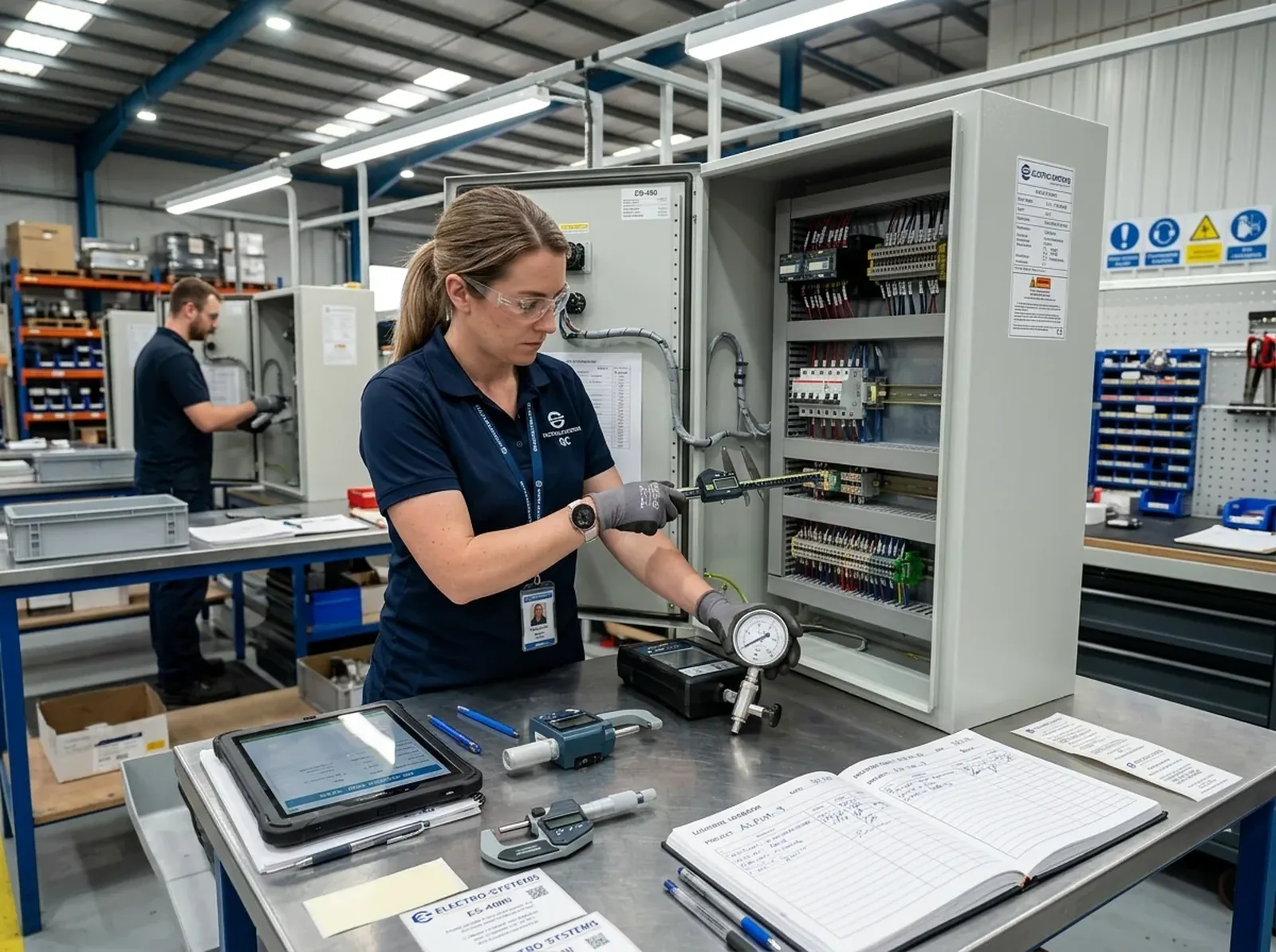
Customer drawings checked for fabrication, weld and finish conflicts, with a written list of questions and suggested resolutions before we quote or cut.
Weldment details, flat patterns and nests produced for our laser, plasma and press-brake equipment.
Details checked against layouts, foundation plans and equipment submittals; trial fits planned where the assembly warrants it.
Design and detailing from a specification, sketch or field measurements where a full drawing set doesn't exist.
Logged, dated revisions across multi-release packages, superseded sheets pulled from the floor, scope changes priced the same week.
Match-mark drawings and records that ship with the product — and guidance on the build-to-print spec package to send for a clean quote.
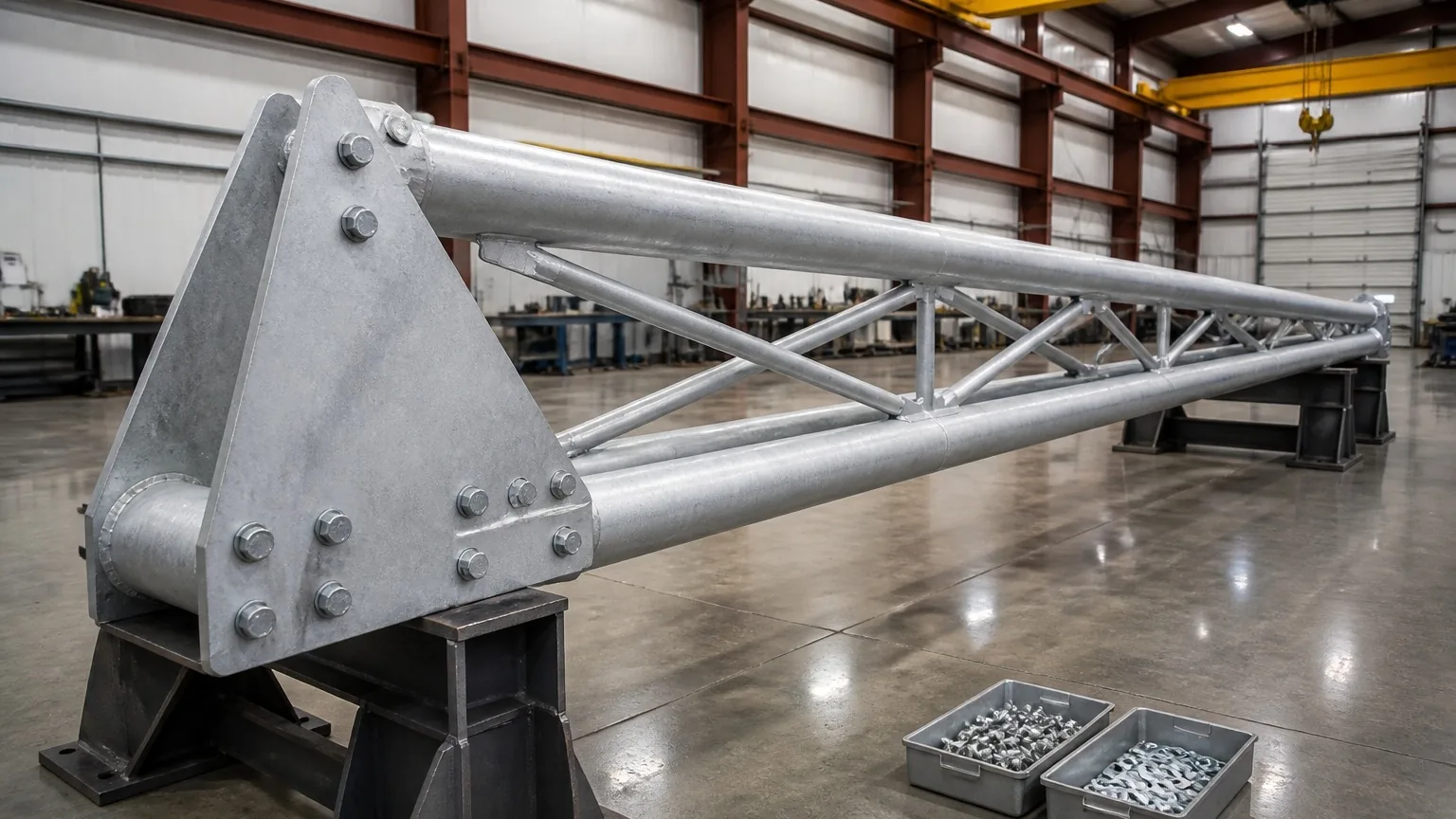
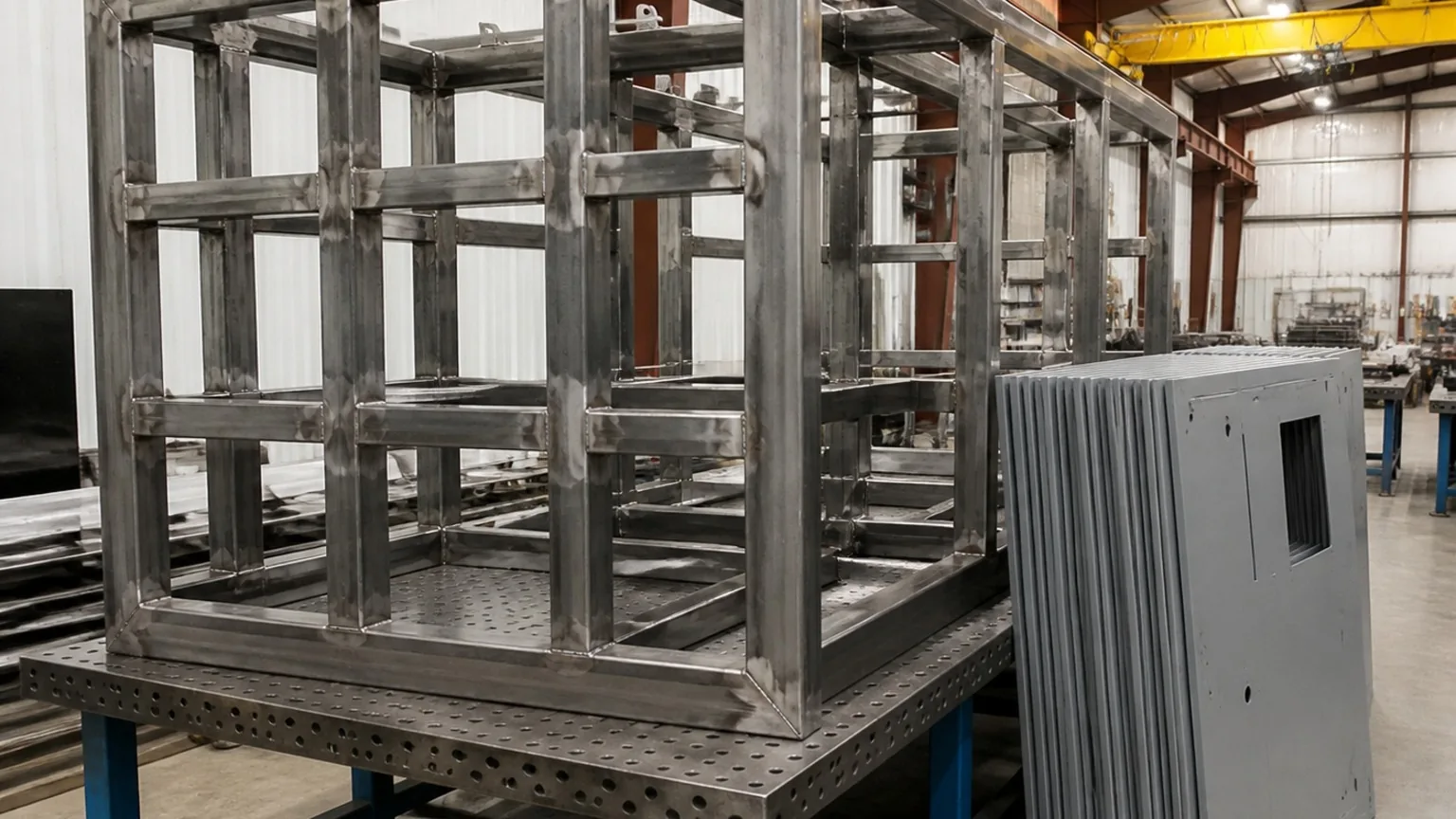
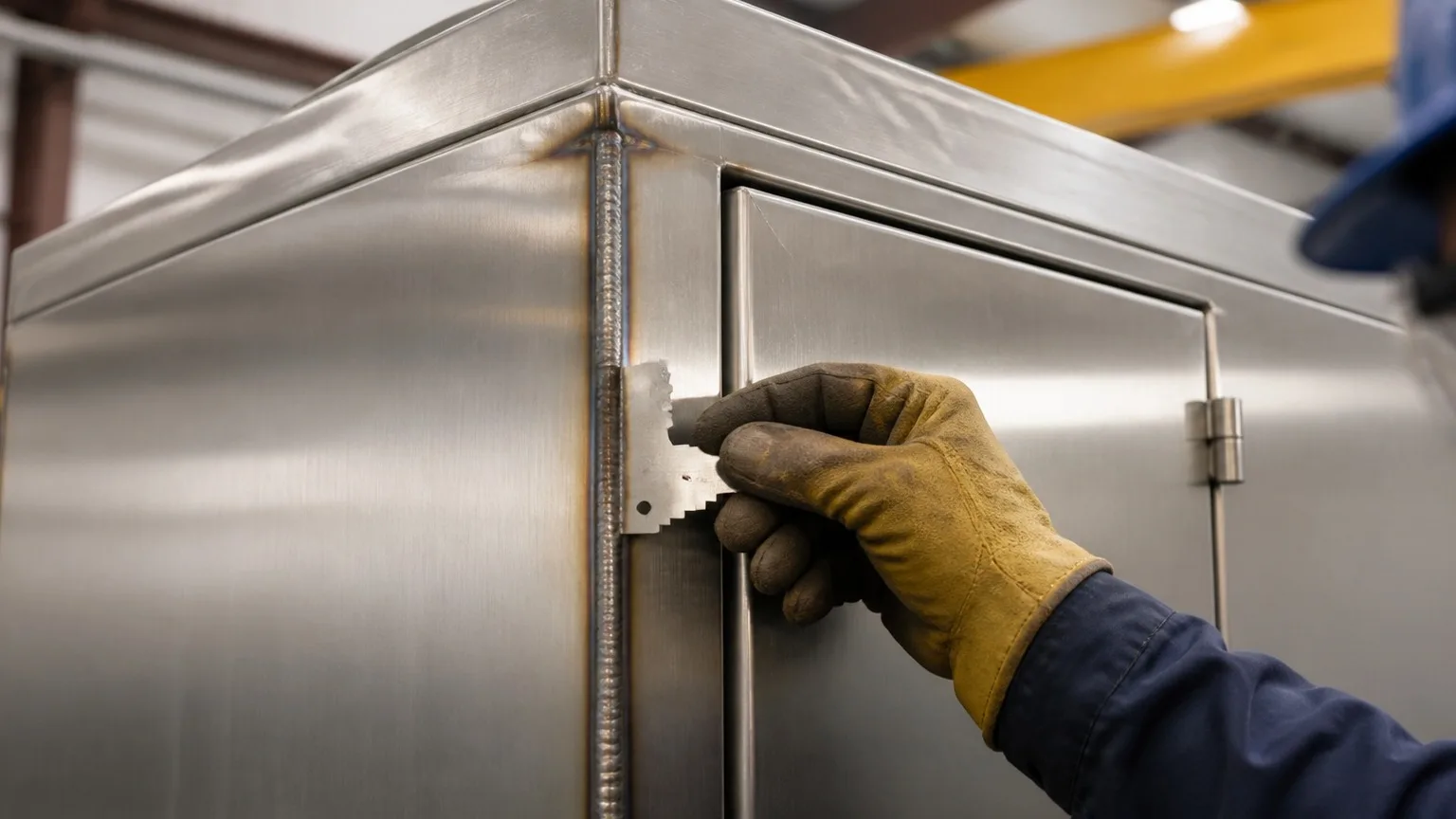
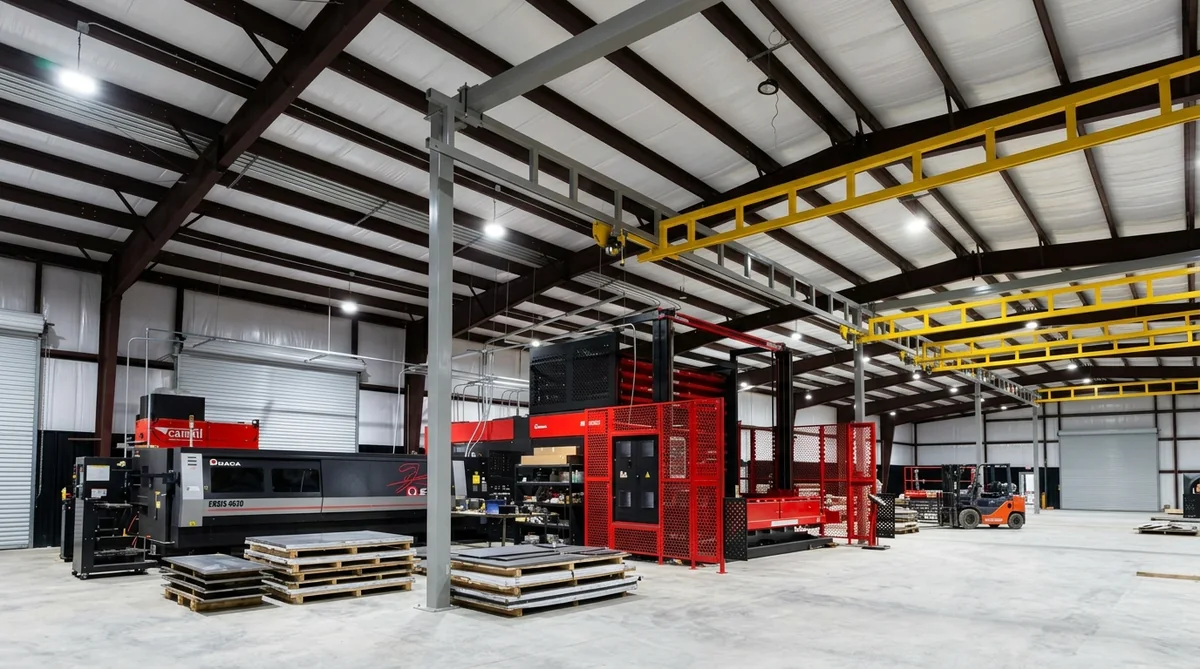
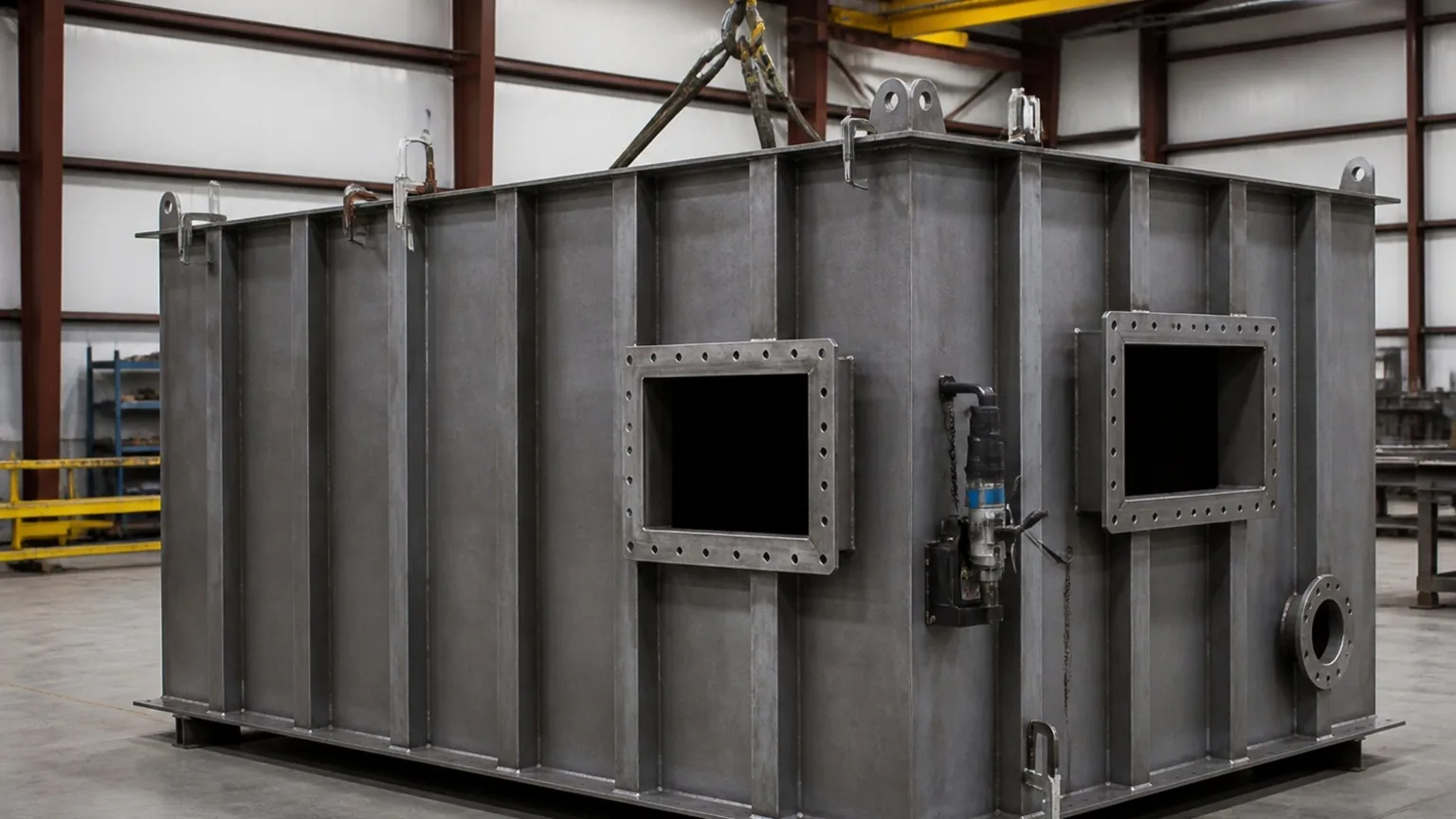
Substation structures packages, where the steel has to fit foundations and equipment from other suppliers — see the structures package. Transformer tanks and covers, where flange patterns and bushing layouts come from the OEM's electrical design. Switchgear and control enclosures, where cutouts, door swings and wire-out have to agree. Conveyor systems and platforms, where FabTek often carries the design from a site survey through fabrication and installation. Data center steel programs, where the same details are released phase after phase.
| Inputs accepted | Engineered drawings, 3D models, specifications, sketches, field measurements, equipment submittals |
|---|---|
| Outputs | Shop drawings, weldment details, flat patterns and nests, bills of material, match-mark and as-built drawings |
| Review scope | Fabrication feasibility, weld and finish compatibility, fit to layout and equipment, hardware and tolerance checks |
| Standards | AWS D1.1 and AISC detailing conventions for structural; sheet-metal design practice for enclosures; customer standards where provided |
| Revision control | Logged and dated revisions; superseded sheets pulled from the floor; scope changes priced the same week |
| Design services | Detailing from concept or survey for conveyors, platforms, enclosures and custom fabrication — see custom fabrication |
| Documentation | Conflict reports, revision logs, as-built drawings; ISO 9001:2015 |
| Also asked as | Fabrication detailing, shop drawings, DFM review, design for manufacturability, steel detailing, sheet metal detailing |
Representative capabilities — exact ranges, ratings, and finishes are confirmed per project. Send drawings for a firm quote.
Drawings, specs and submittals are checked for completeness, fabrication conflicts and finish compatibility.
A written list of questions and suggested resolutions goes back to the customer before quoting or cutting.
Shop drawings, weldments and flat patterns are produced and nested for our equipment.
Details are checked against the layout, foundations and equipment drawings; trial fits are planned where the assembly warrants it.
Each revision is logged, priced if it changes scope, and pushed to the floor with the superseded sheet pulled.
Match-mark drawings and documentation ship with the product.
Built at four production sites in Hazlehurst, Mississippi.
ISO 9001:2015 quality management, AWS-certified welding, OSHA-compliant facilities.
In-house powder coat backed by an IEEE 2000-hour salt-spray certification.
Reserved-line capacity and the automation to grow with your volume.
Both. Our in-house engineering group reviews and details customer drawings for every job, and can design and detail from a specification, sketch or field survey where a full drawing set doesn't exist. Stamped structural design, where required, is by the customer's engineer of record.
Complete drawings with revision numbers, the specification, finish requirements, quantities and the date you need, plus equipment submittals where the fabrication has to fit other equipment. Our build-to-print spec package guide lists it.
Every revision is logged, checked against work in process, priced if it changes scope and re-dated the same week. Superseded sheets are pulled from the floor so nothing is built to an old revision.
Yes. For repair, retrofit and replacement work — a transformer cover, a conveyor section, a platform — we detail from the shop's or the site's measurements and fabricate to fit the existing installation.
Explore related lines: Custom fabrication · Substation structures · Transformer tanks · Conveyor systems
Further reading: The build-to-print spec package · The structures package: detailing steel · Bolt-hole tolerances for substation steel







Have a package that needs a second set of eyes before it goes to a shop? Send it — we'll review it and come back with a conflict report and a quote, typically within one business day.