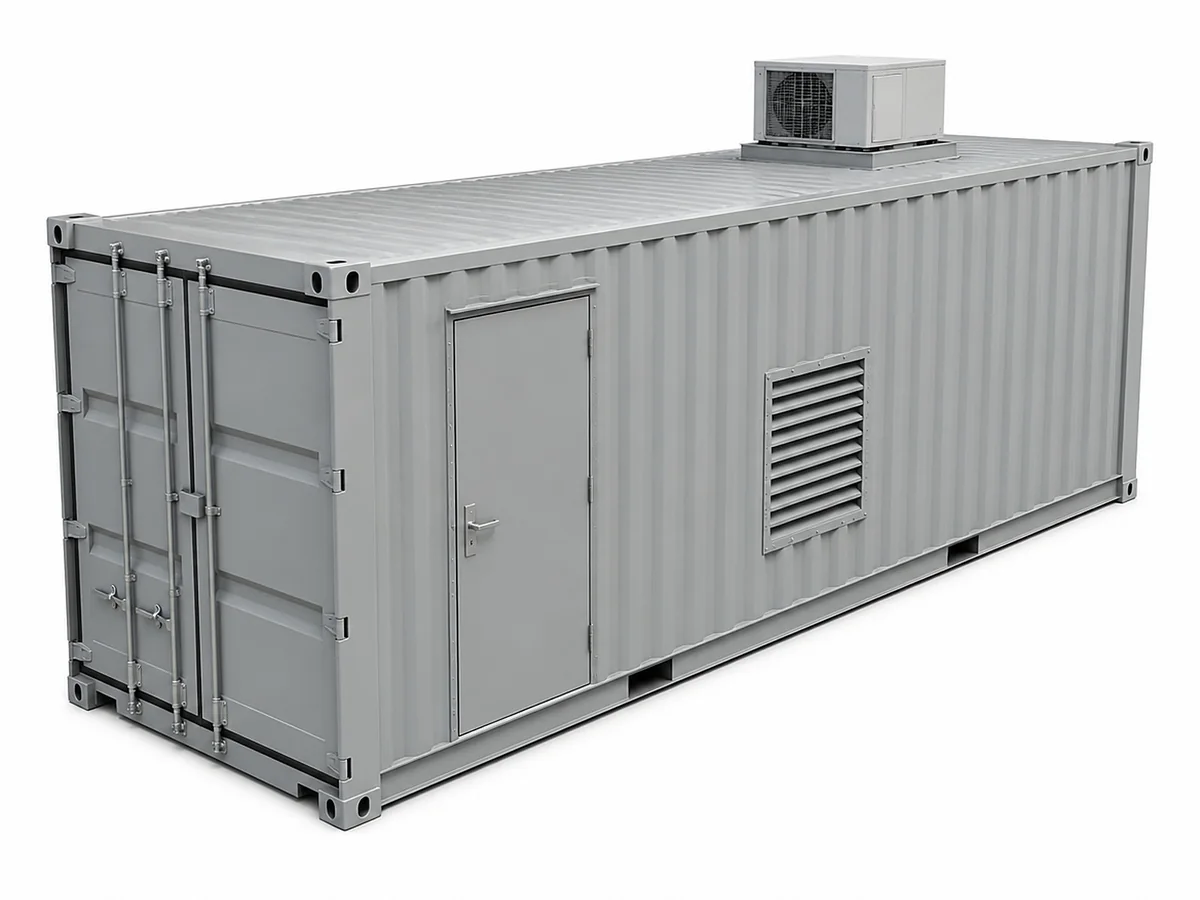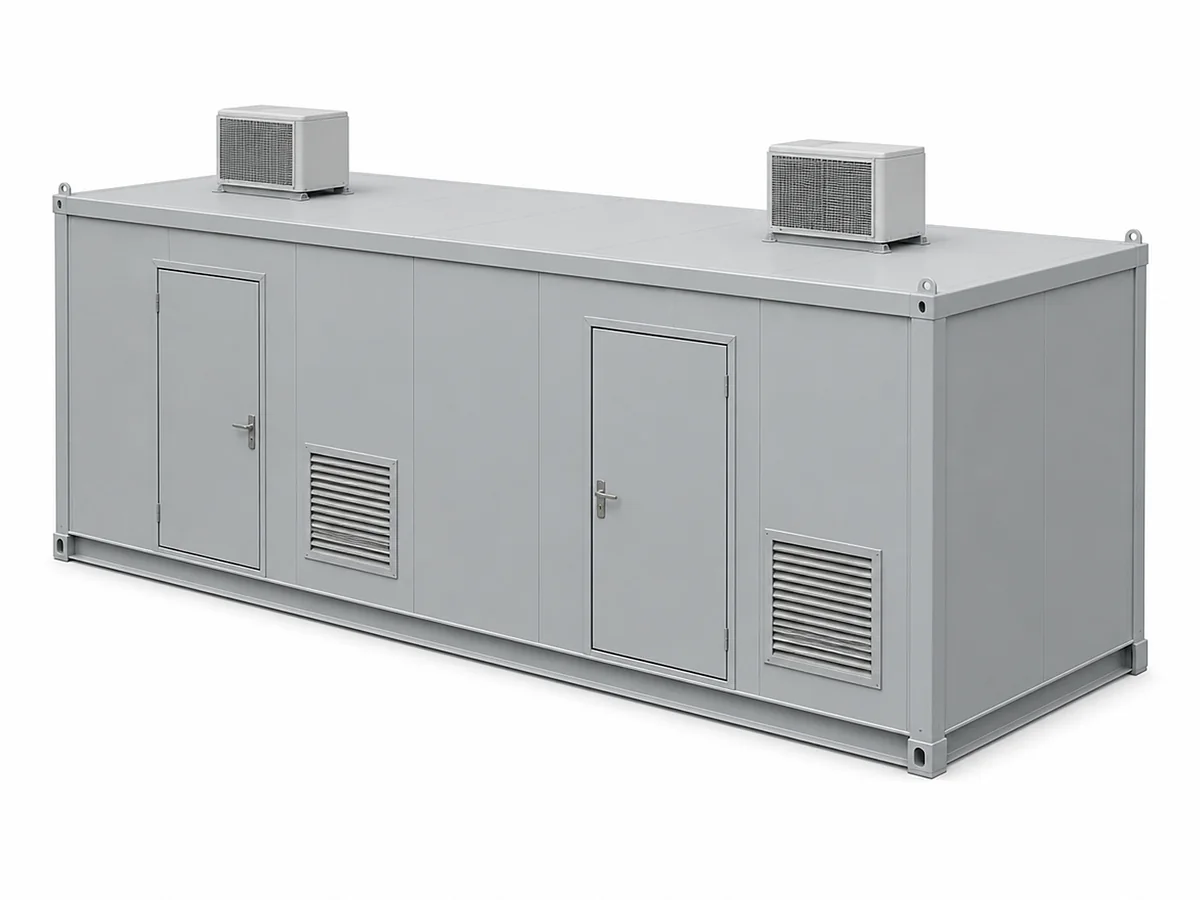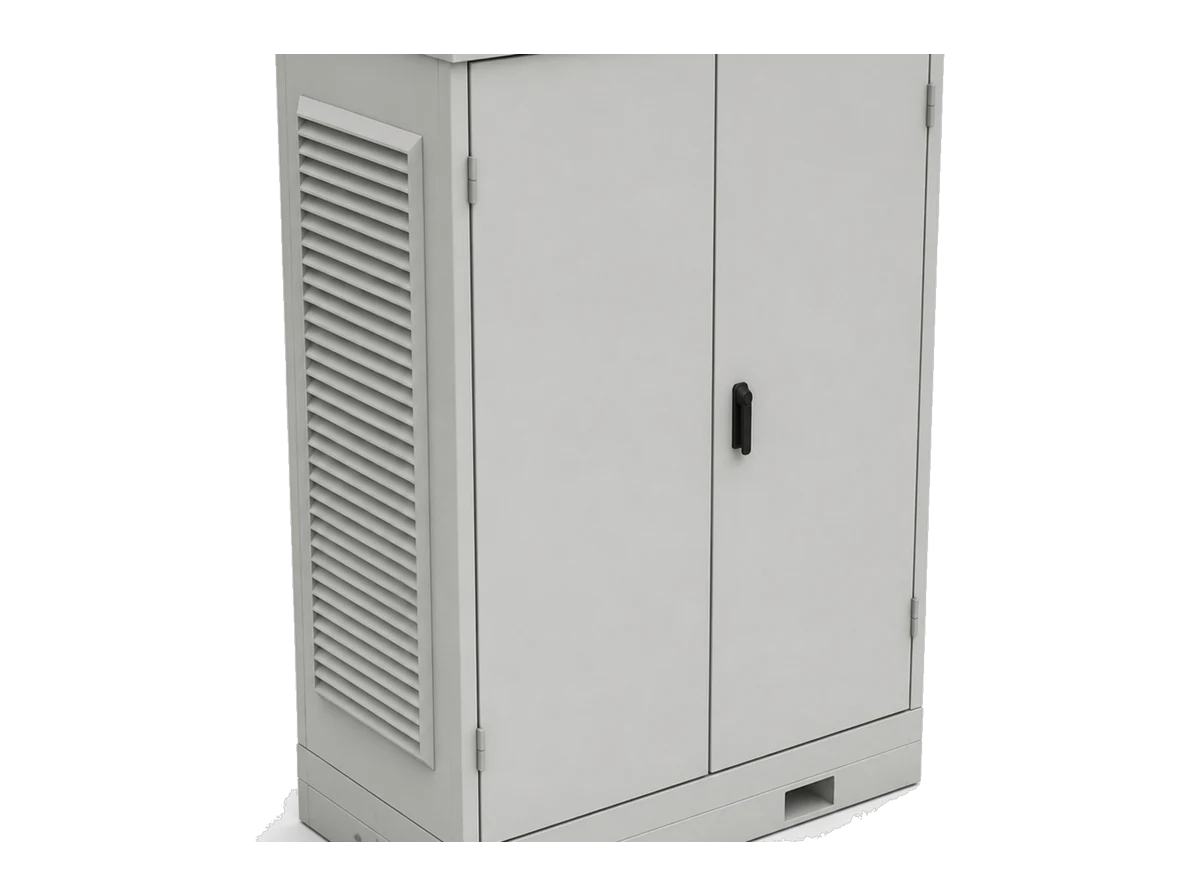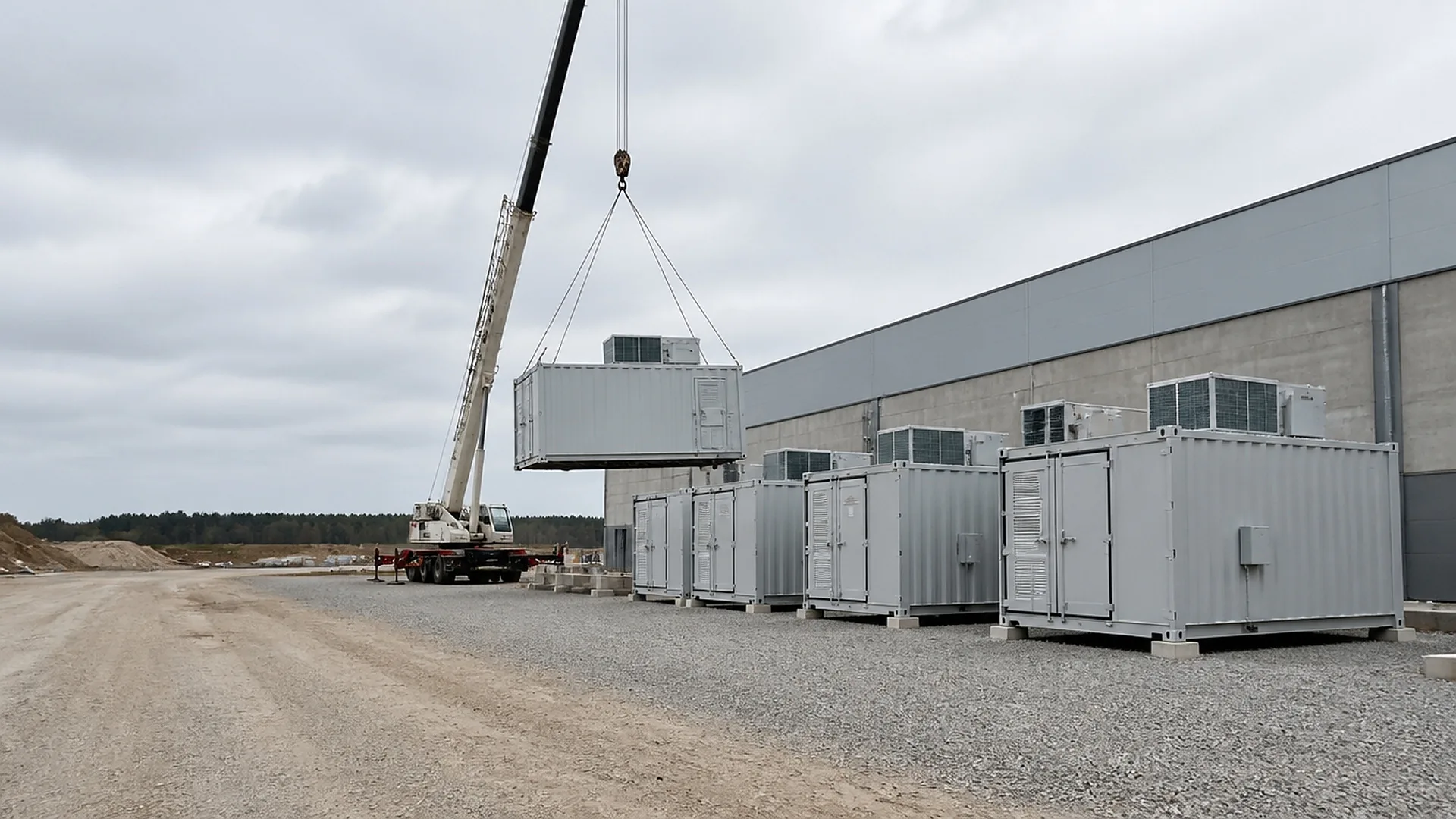
Modular power, modular cooling and modular halls all share a form factor: a frame, a shell and the equipment inside. The buying decision is series production, because unit fifty has to match unit one.
Sourcing containerized units for a data center project? Call 601.892.5017 or email collin.t@fabtekindustries.com — send the drawings and the spec and we quote to print.
- Specify the unit as frame, shell, openings, interior steel and fit-out, with the equipment list and who procures it.
- ISO envelopes simplify transport; custom transportable frames are fine when the equipment does not fit.
- Qualify on fixtured series production, first-article inspection and retained revisions.
- Testing per unit: water-tightness, doors and seals, dimensional check, equipment point-to-point where specified.
What you are buying
A containerized or modular unit is a welded structural frame to ISO container dimensions or a custom transportable size, with corner castings and lifting provisions; an insulated weathertight shell with doors, louvers, roof curbs and penetrations; interior raised floors, mounting steel, tray and grounding; and the equipment fitted out inside: a switchgear lineup, a BESS, a chiller plant, a CDU bank or a row of racks. The OEM or developer owns the system design; the frame, shell, openings, interior steel, finish and fit-out are fabrication, often in series of dozens.
Where it sits in the project
Modular data center OEMs and power and cooling OEMs buy frames and shells in series; developers and EPCs buy complete units for phased capacity and remote sites. Units follow the equipment order and are shipped to the site as equipment, which puts transport, stacking and lifting loads into the frame design from the start.
What to put in the RFQ
| Unit definition | ISO or custom envelope, frame loads (transport, stacking, lifting), corner castings, fork pockets |
|---|---|
| Shell | Insulated panels or framed walls, R-value, roof system, wind, snow and seismic loads |
| Openings | Personnel and equipment doors, louvers, roof curbs, cable and pipe penetrations per the layout |
| Interior | Raised floor, mounting steel, tray, grounding bus, fire-rated partitions where specified |
| Fit-out | Equipment list, owner-furnished vs. procured, installation and landing scope |
| Series | Quantity, release schedule, revision control, first-article and per-unit inspection |
| Testing and finish | Water-tightness, door and seal checks, point-to-point where specified; powder coat color and system |
How to qualify a fabricator
- Fixtured frame and panel assembly. Series production needs fixtures, not jigs built per unit.
- First-article and per-unit inspection. The first unit inspected in full; every unit checked dimensionally.
- Color and texture control. Powder coat consistent across releases.
- Revision control. Retained drawings and revisions so each release is a PO, not a redesign.
Lead time, sequencing and delivery
Release the frame and shell program once the equipment layout is frozen; the first article is built and inspected before the series runs. Units ship as equipment, in release order, with lifting and transport drawings and per-unit test records.
Common mistakes
- Treating unit two like a new quote. Series pricing and fixtures depend on the program being released as one.
- Equipment layout changes mid-series. Freeze it or version it.
- Shell from a container yard, fit-out from a fabricator. Used containers and new fabrication do not meet cleanly.
- No per-unit test record. The site will find what the shop did not.
How FabTek supplies it
FabTek fabricates containerized and modular units at four plants in Hazlehurst, Mississippi, from welded ISO-dimension and custom frames to insulated shells and equipment fit-out, in series with fixtured assembly and retained revisions. The same plants build E-Rooms, BESS enclosures and generator enclosures.
Frequently asked questions
What is a containerized data center unit?
A transportable module, usually to ISO container dimensions, with an insulated shell and a complete system installed inside: a switchgear lineup, a battery system, a cooling plant or a row of racks.
Should modular units be built on used shipping containers?
Not for a product. New welded frames to ISO dimensions with corner castings give the same transport compatibility with controlled geometry and no prior damage.
How is a modular unit tested before it ships?
Water-tightness, door and seal checks, dimensional check against the drawing, and equipment point-to-point checks where the fit-out is included.
Who fabricates enclosures for modular data center OEMs?
FabTek Industries fabricates frames, insulated shells and interior steel for modular data center, power and cooling OEMs in series at its Mississippi plants, with equipment fit-out where specified.