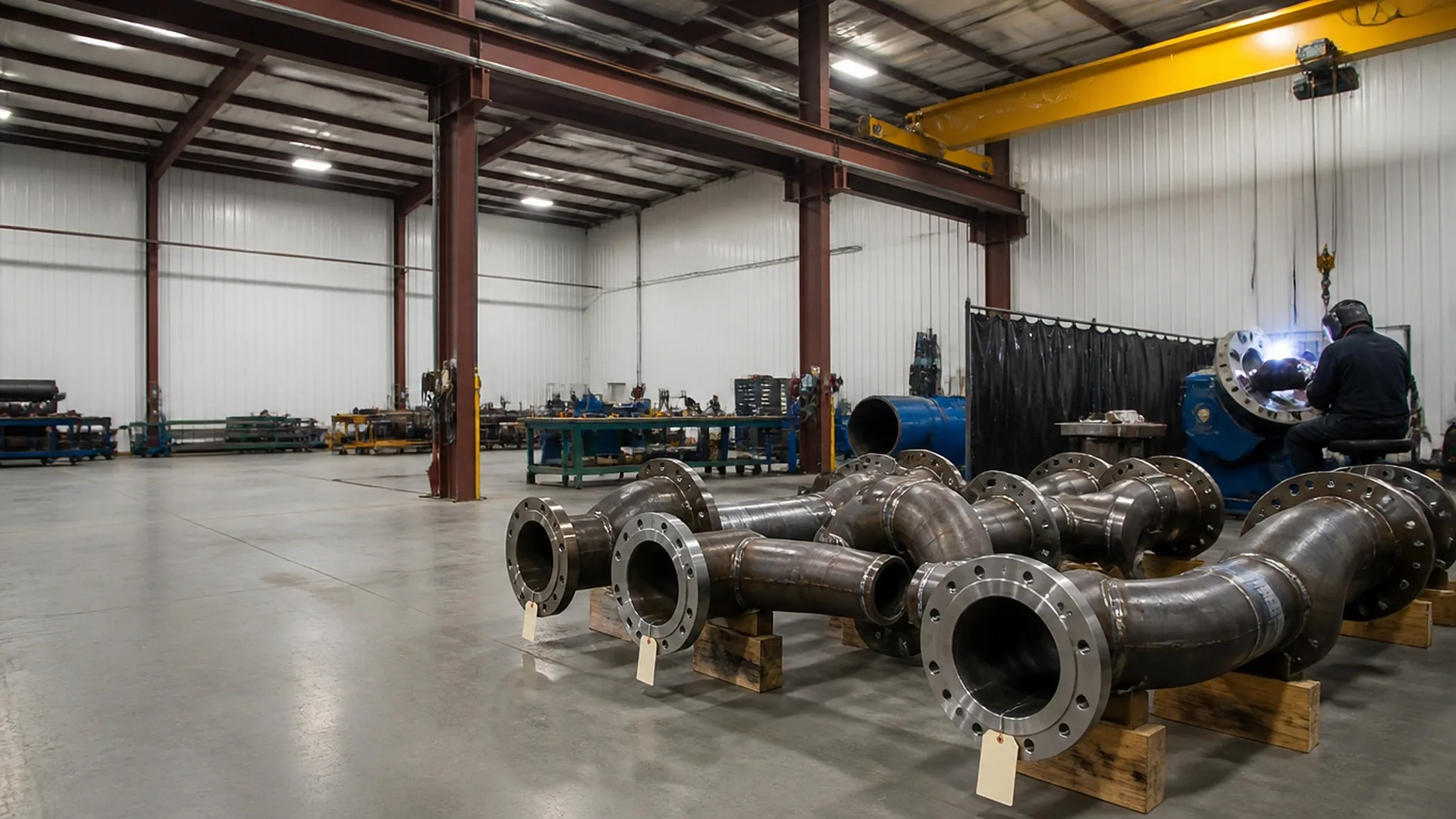
Shop-fabricated pipe spools are the quickest win in a data center mechanical package, and the easiest to buy badly. The RFQ decides which.
Sourcing pipe spools for a data center project? Call 601.892.5017 or email collin.t@fabtekindustries.com — send the drawings and the spec and we quote to print.
- Send isometrics with spool breaks, the piping spec and the inspection plan; without all three the quote is a guess.
- The field-joint plan defines the shop package; agree it with the mechanical contractor before release.
- Qualify on ASME Section IX welder qualifications, B31.1/B31.3 procedures and hydrotest records, available on request within a day.
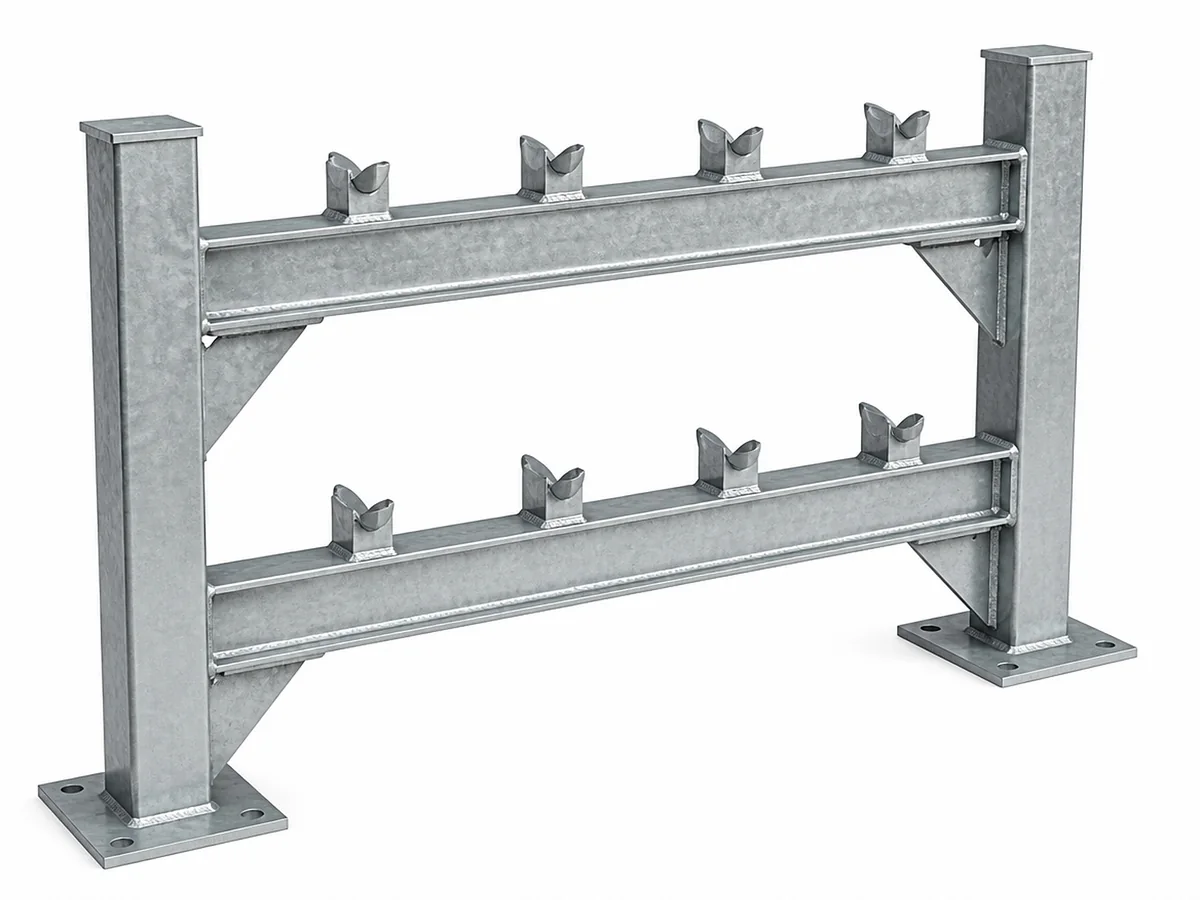
- Buy supports with the spools and have both sequenced by hall.
What you are buying
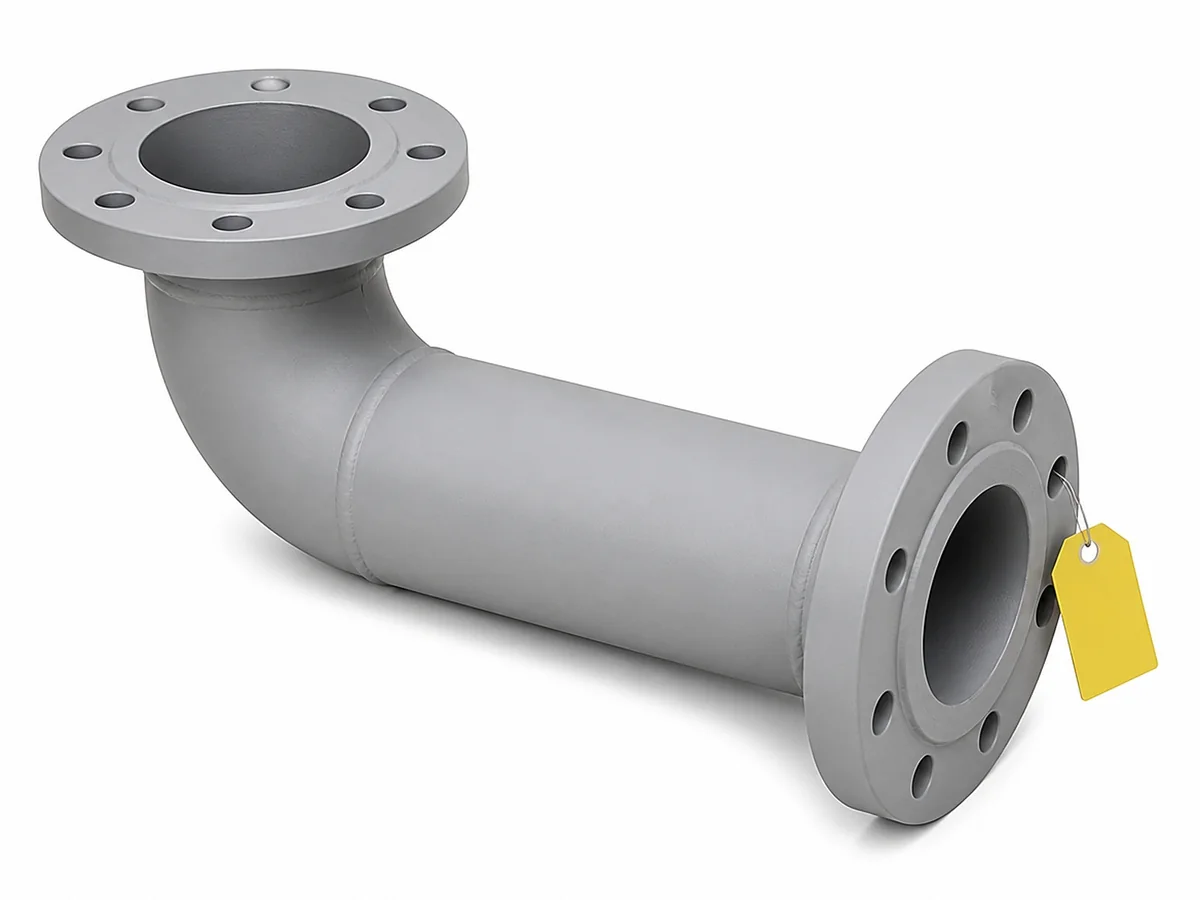
A pipe spool is a prefabricated section of piping, cut, beveled, fitted and welded in a shop with flanged, grooved or butt-weld ends, delivered to be set and joined on site at a few field joints. On a campus that means chilled-water and condenser-water mains and risers, technology-cooling-system loops to CDUs and rack manifolds, and the fuel and glycol runs around the generator yard, in carbon steel and stainless from small-bore to large headers. The spools are specified by the mechanical engineer's isometrics and piping specification; the fabricator cuts, welds, tests and tags to them.
Where it sits in the project
The mechanical contractor is the usual buyer, moving welding out of a crowded building. Developers and GCs increasingly specify shop spooling in the mechanical package to compress schedule, and cooling-equipment integrators buy spools for their skids. Spools are needed in the order the plant is built: Hall 1's mains before Hall 1's chillers set.
What to put in the RFQ
| Isometrics | Isos with spool breaks and field joints marked, or a request for the fabricator to propose the split |
|---|---|
| Piping specification | Materials, schedules, end types, flange class, code (B31.1 or B31.3), test pressures |
| Inspection and test plan | Visual, PT, RT or UT percentages; hydrotest pressure and hold; witness and hold points |
| Valves and specialties | Whether the fabricator installs owner-furnished valves, strainers and instruments |
| Cleanliness and finish | Internal cleaning and capping, passivation for stainless, primer or coating system |
| Delivery sequence | Release by area or hall, tagging standard, staging and shipping windows |
| Documentation | Weld maps with welder IDs, material certs by heat number, hydrotest records, dimensional reports |
How to qualify a fabricator
- Section IX qualifications on hand. WPS, PQR and current welder performance records for the processes, positions and materials in the spec.
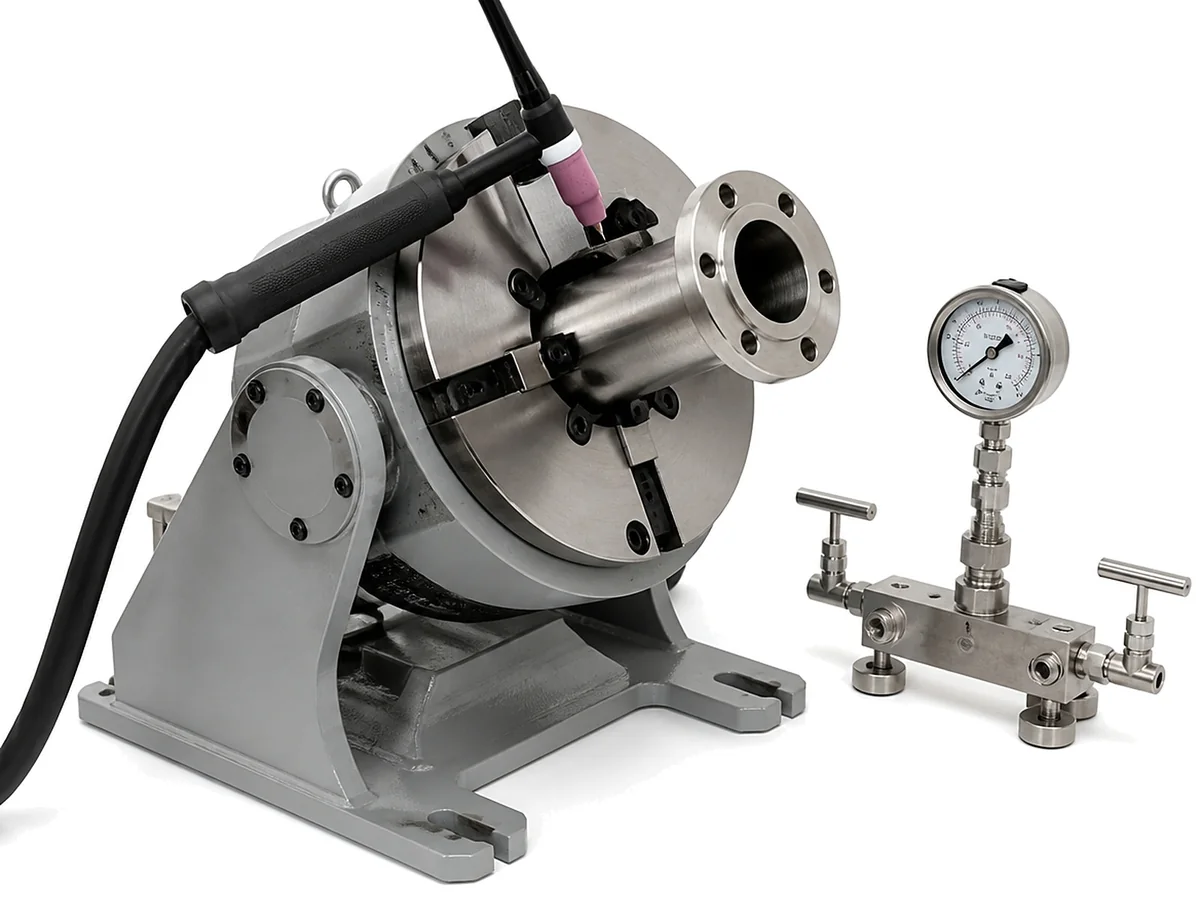
- Dedicated pipe fitting and positioners. Spools welded on rotators are better and faster than spools welded on the floor.
- Hydrotest on calibrated gauges. Every spool, with a record that ties to the tag.
- Tagging and staging. Each spool tagged to its iso and room, shipped in the order the crew needs it.
Lead time, sequencing and delivery
Release the spool package by area once the isometrics are issued for construction. The fabricator stages shipments to the installation sequence and ships the pipe supports on the same trucks. Later releases for later halls reuse the same procedures and the same tag standard.
Common mistakes
- Sending drawings without the spec. Materials, ends and test pressures drive the price more than the drawing does.
- Splitting spools at the wrong joints. Breaks the crew cannot lift or join with the equipment in the room create field welds.
- Separating supports from spools. Pipe with nothing to sit on waits.
- Accepting a test report with no gauge calibration. Ask for the calibration record.
How FabTek supplies it
FabTek fabricates pipe spools, manifolds and headers and pipe supports and racks at four plants in Hazlehurst, Mississippi, with ASME Section IX pipe welding and hydrostatic testing in-house. Spools ship tagged to the isometric and sequenced by hall, alongside the pre-piped skids that use them.
Frequently asked questions
What should a pipe spool RFQ include?
Isometrics with spool breaks, the piping specification, the inspection and test plan, the valve and specialty schedule, cleanliness and finish requirements, and the delivery sequence by area.
What is the difference between B31.1 and B31.3?
ASME B31.1 is the power piping code; B31.3 is the process piping code. Data center cooling and fuel systems are commonly specified to one or the other; the project specification decides.
Should the fabricator or the contractor decide the spool breaks?
The contractor's field-joint plan should drive it, with the fabricator proposing breaks that keep spools transportable and liftable. Agree the plan before fabrication starts.
Who fabricates pipe spools for data center cooling plants?
FabTek Industries fabricates chilled-water, condenser-water and liquid-cooling spools to ASME B31.1 and B31.3 at its Mississippi plants, hydrotested and tagged to the isometric.