The question is not whether a prefabricated E-Room costs more than a site-built room on paper. It is whether the months it takes off the power schedule are worth more than the difference.
Planning a modular electrical room? Call 601.892.5017 or email collin.t@fabtekindustries.com — we quote to print and respond fast.
- An E-Room is a transportable electrical building with the gear installed; prefab wins on schedule, quality and commissioning risk.
- Stick-built still makes sense for small rooms, buildings already up, or sites that cannot take the transport envelope.
- A fabricator that builds the shell, enclosures and bus housings in one plant can quote the whole room.
- If power is on the critical path and the gear is already bought, prefab usually wins.
- How to Source Pipe Spools for a Data Center
- Prefab vs. Stick-Built E-Rooms (you are here)
- What a Hyperscaler GC Buys from a Metal Fabricator
What an E-Room is
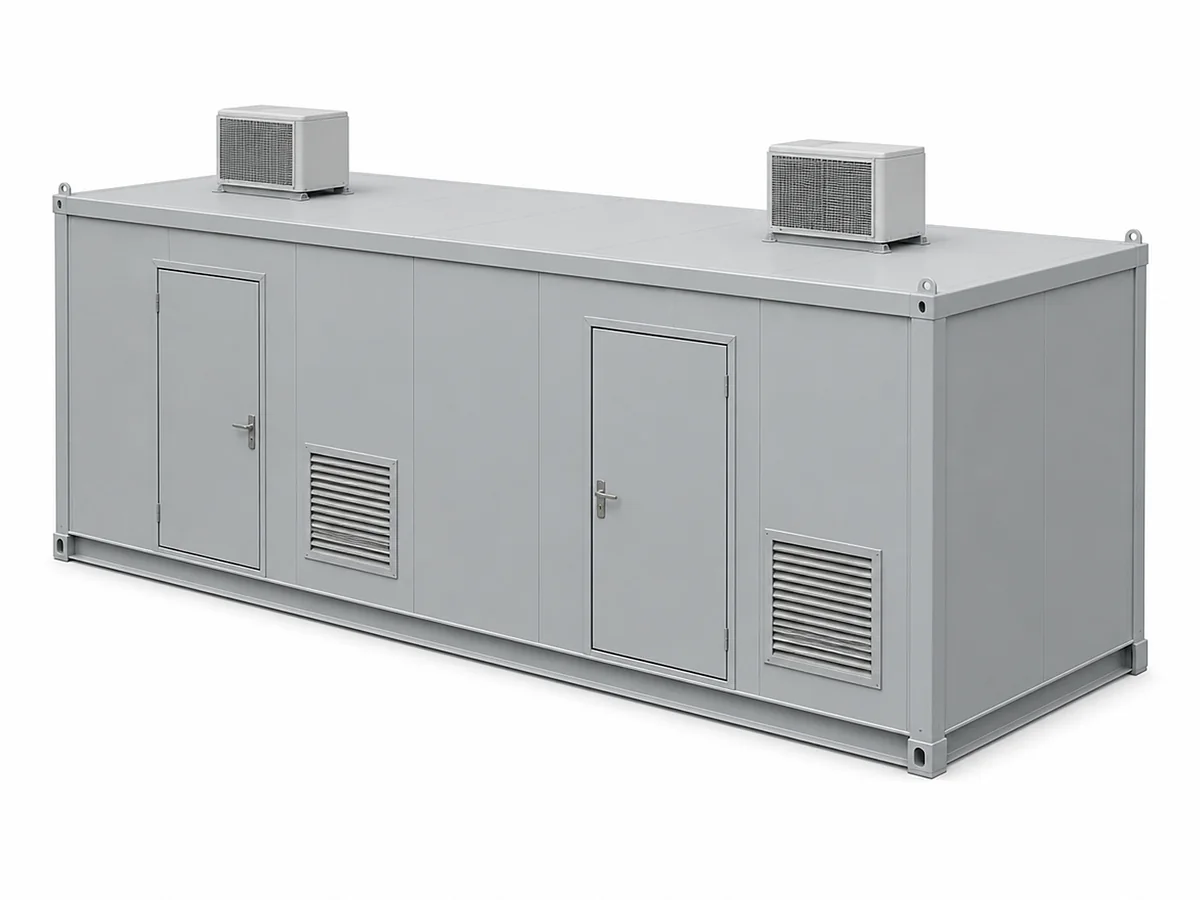
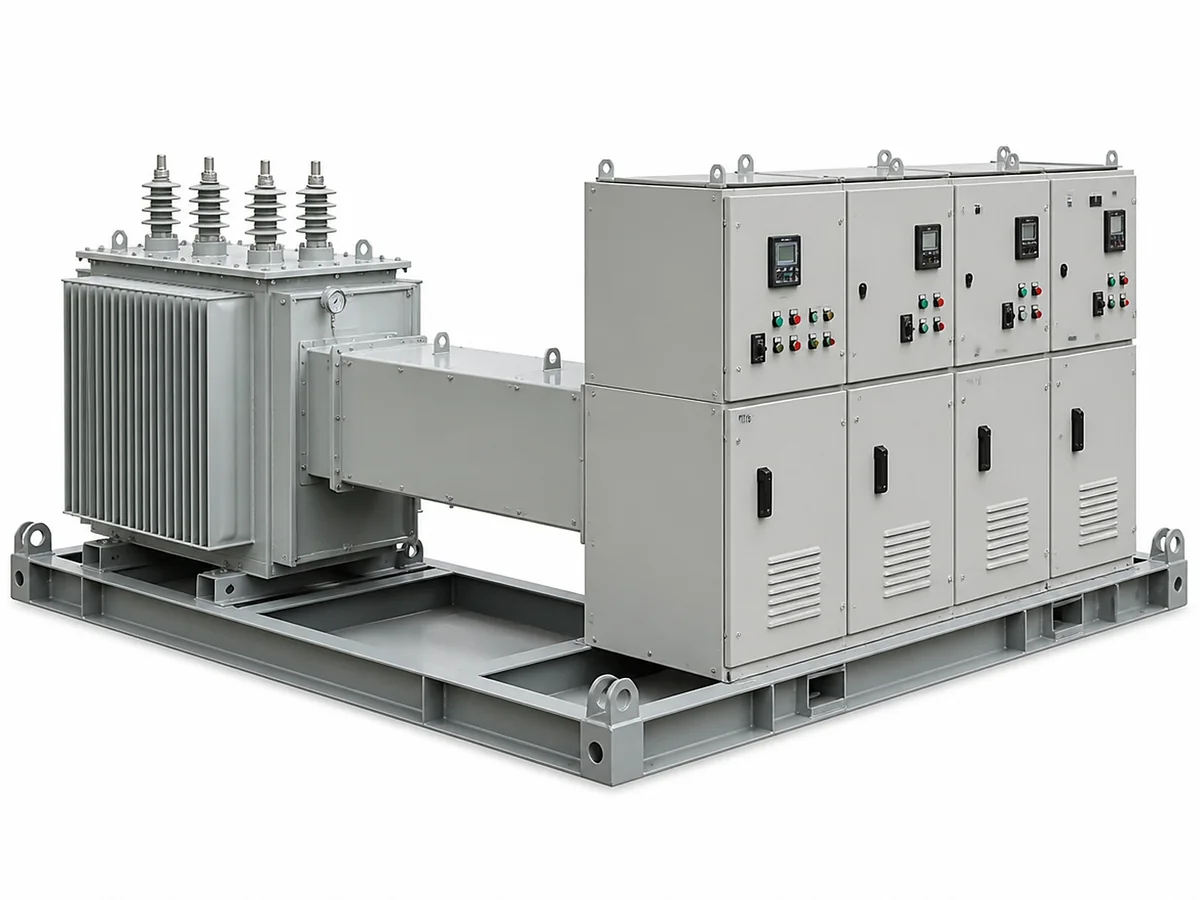
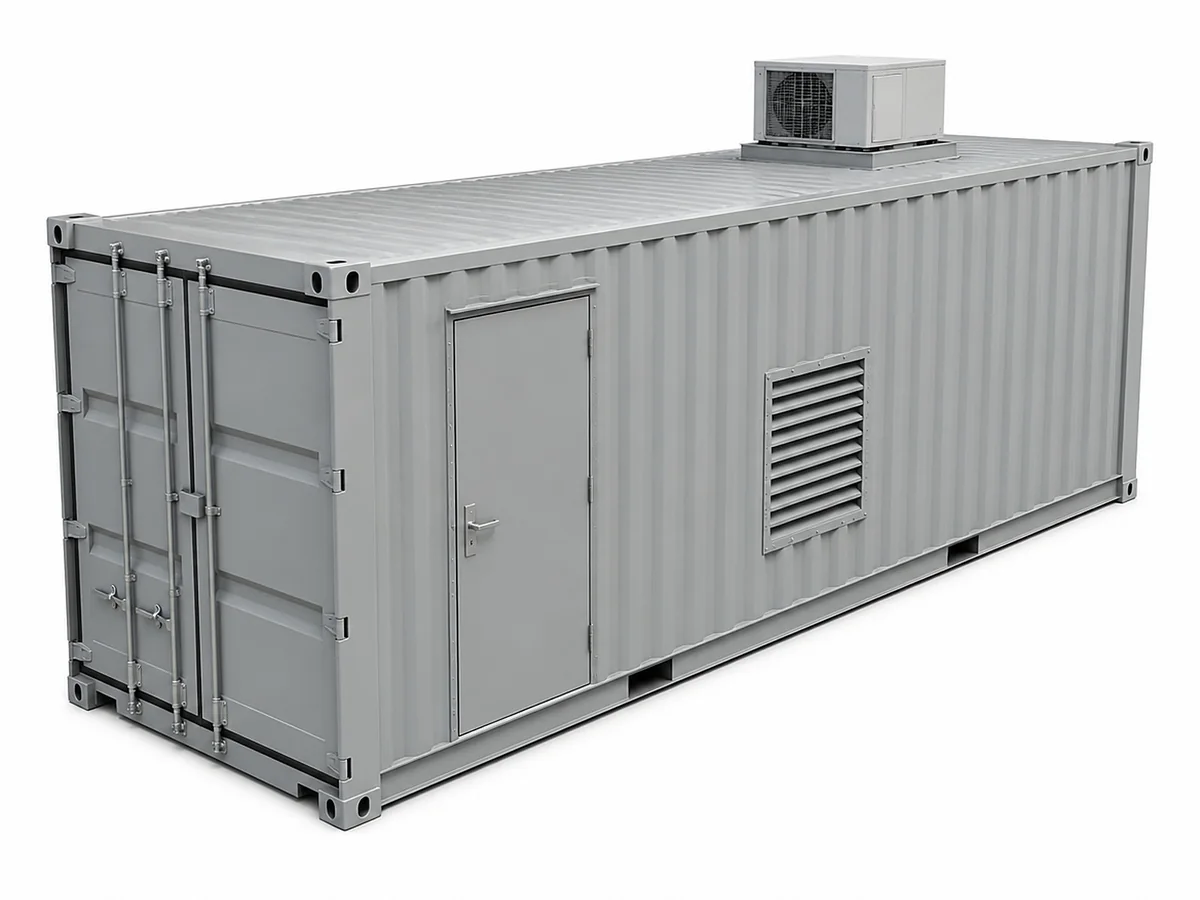
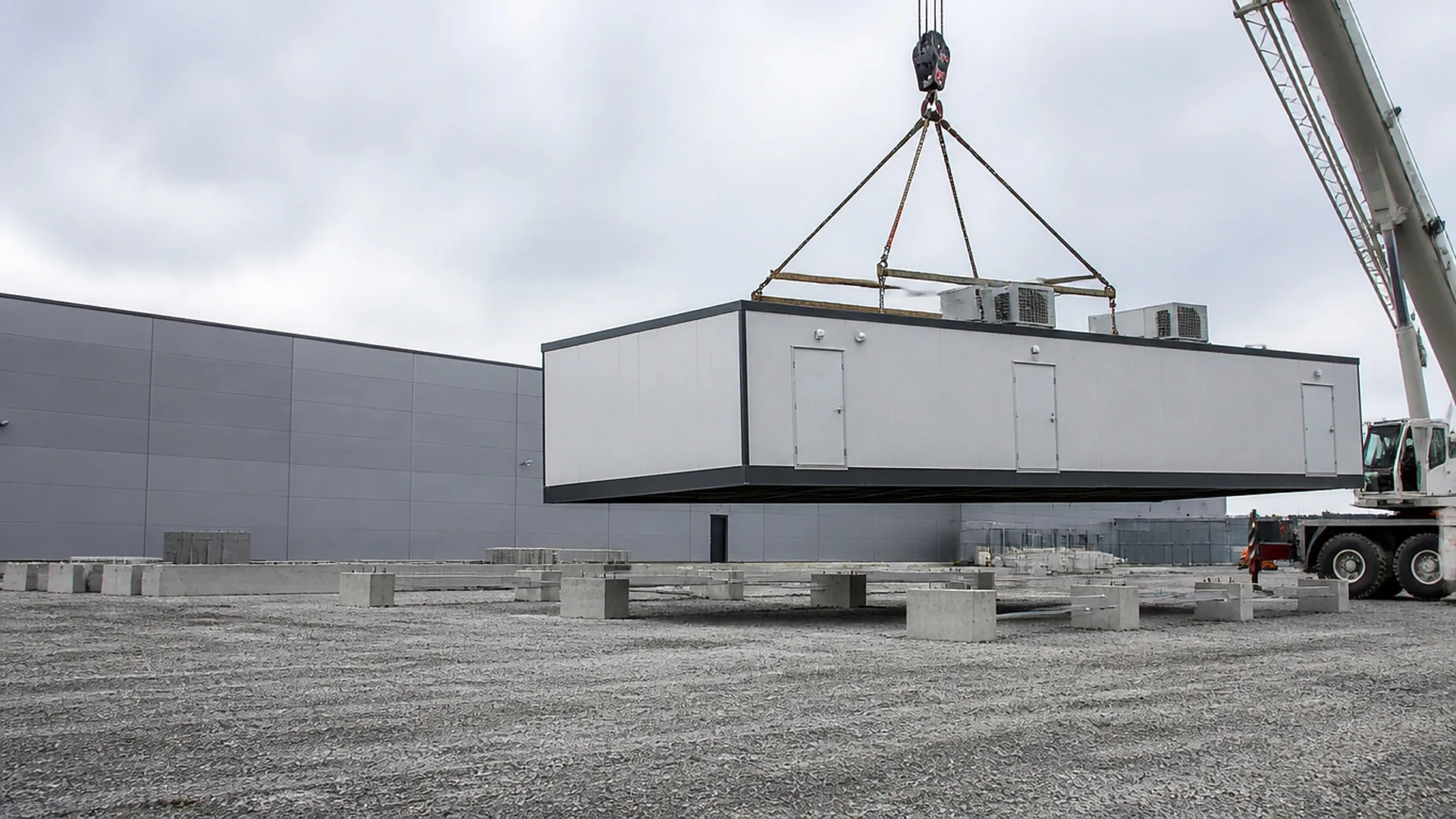
A transportable structure — welded steel base, insulated walls and roof, doors, HVAC, lighting, grounding — with the medium- and low-voltage switchgear, transformers, panels and bus duct installed inside. It arrives on a truck, is set on piers, and is connected. Also called an E-House, a power control room or a prefabricated electrical building.
Where prefab wins
Schedule, first: the room and its gear are built and factory-tested while the site is still in foundations, and energization is no longer gated by the building. Quality, second: welding, wiring and testing happen under a roof with the same crew every time, not on a site with weather and trade stacking. Risk, third: the power chain is commissioned as a unit before it ships, and a problem is found in a shop, not on the pad. On a campus adding halls in phases, the same room is released again and again from retained drawings.
Where stick-built still makes sense
When the room is small and the gear is light, when the building is already up and the room is on the critical path for nothing, when the site cannot take the transport envelope, or when the electrical contractor's crew is idle and the shop is not. Transport limits also matter: a room that has to split into four shipping sections and rejoin on site gives back some of the advantage.
What the fabricator needs to quote
The single-line and equipment list; the equipment layout with clearances; the site's wind, snow and seismic loads and the foundation concept; the transport route constraints; the HVAC and fire-detection requirements; and whether the fabricator installs the gear or ships the shell to the OEM. A fabricator who builds the shell, the enclosures and the bus housings in the same plants can quote the whole room; one who buys the shell from a building supplier cannot.
The decision in one line
If power is on the critical path and the gear is already bought, prefab usually wins. If neither is true, run both numbers.
Frequently asked questions
What is an E-Room?
An E-Room, also called an E-House or power control room, is a transportable structure with a welded steel base, insulated walls and roof, doors and HVAC, and the switchgear, transformers, panels and bus duct installed inside before it ships.
When does a prefabricated E-Room make sense?
When power is on the critical path and the gear is already bought. The room and its equipment are built and factory-tested while the site is in foundations, then set and connected in days.
How large can a prefabricated E-Room be?
Single units are sized to road-transport limits; larger rooms ship as several sections split at shipping joints and bolted together on site.
Who builds prefabricated E-Rooms for data centers?
FabTek Industries fabricates E-Rooms from the base frame to the equipment-installed unit at its Mississippi plants for data center developers, EPCs and switchgear OEMs.