Fiber builds, tower upgrades and network densification all put electronics outdoors, and every outdoor electronics site needs a cabinet, a hut or a shelter with the steel to support and protect it. Carriers, fiber network builders, tower companies and the contractors that build for them buy these enclosures on multi-year programs, by the hundred, to standard drawings. This guide covers what is in the telecom enclosure family and how the programs are sourced from a contract fabricator.
Telecom builder or contractor standardizing outdoor cabinets or shelter steel? Call 601.892.5017 or email collin.t@fabtekindustries.com — send a print and a quantity and we’ll quote it.
- Telecom enclosures are electronics enclosures: thermal management, battery space, cable entry and security define them.
- The family runs from pole-mount cabinets to walk-in fiber huts, plus the platforms and cable supports around them.
- Aluminum and powder-coated steel both serve; the choice is weight, corrosion and the carrier’s standard.
- Builders buy on programs to a frozen drawing with releases per site cluster.
The enclosure family
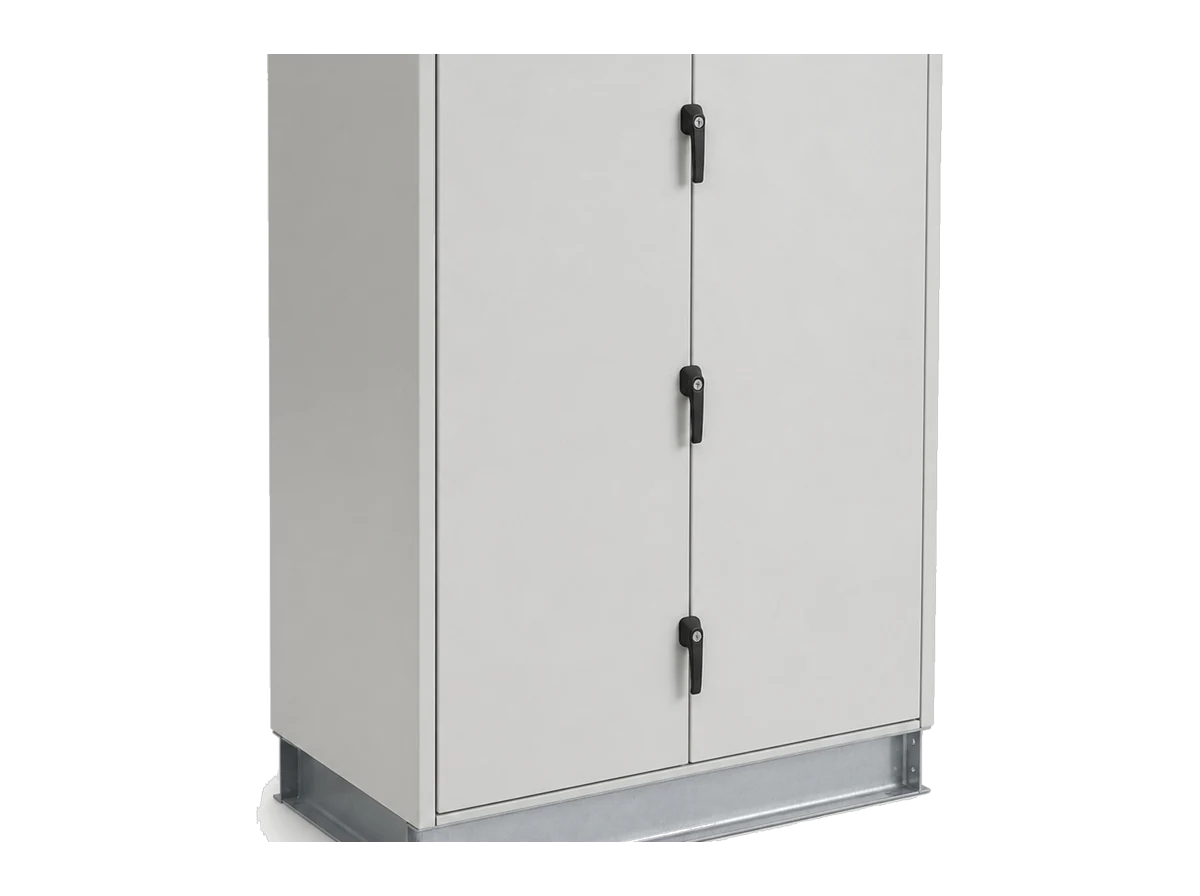
| Pole- and pad-mount cabinets | Single- and dual-compartment cabinets for remote radios, fiber terminals, power supplies and batteries; NEMA 3R/4 with filtered ventilation or a heat exchanger |
|---|---|
| Battery backup cabinets | Ventilated cabinets with battery shelves, restraint bars and a separate electronics compartment, often attached to the equipment cabinet |
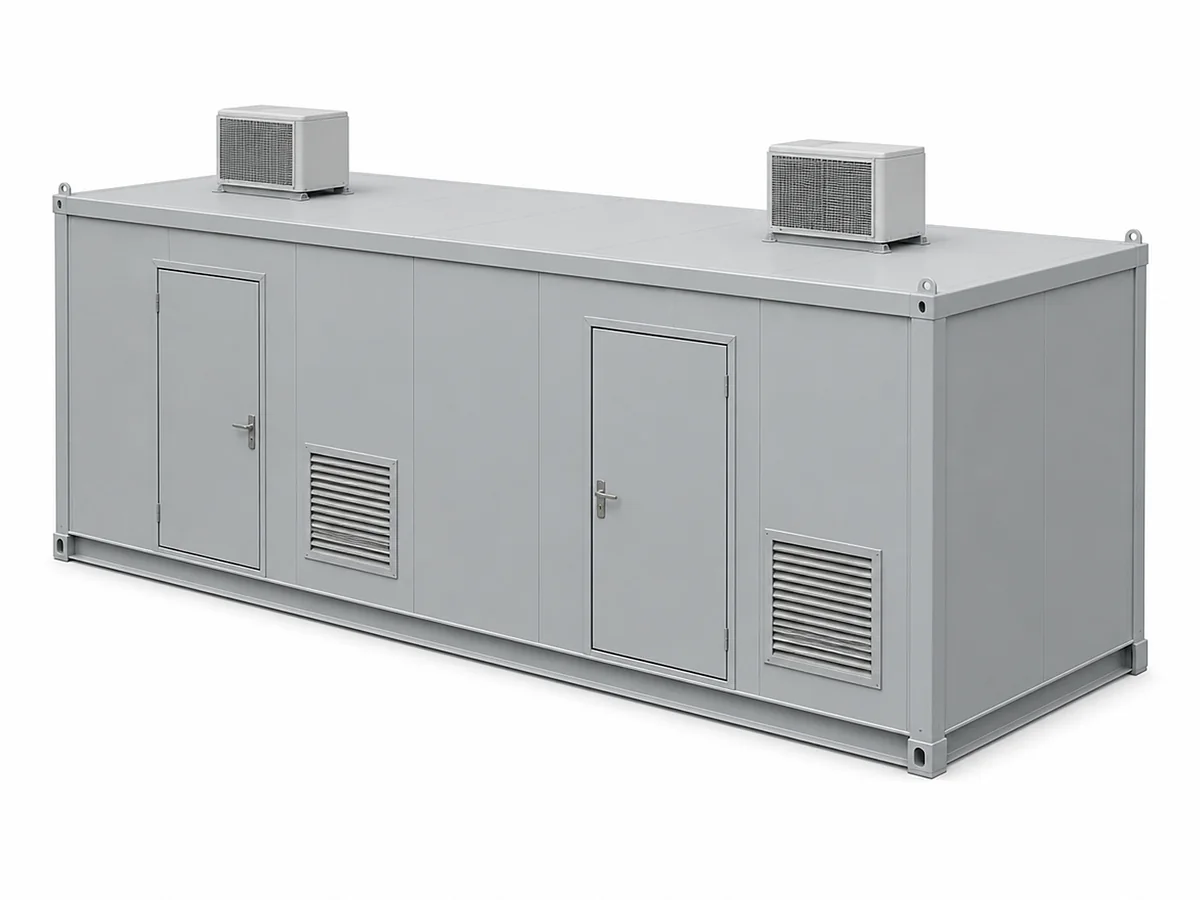
| Fiber huts and shelters | Walk-in prefabricated buildings for fiber distribution, headends and hub sites, with HVAC, raceway, cable entry and a generator connection; fabricated like E-Rooms |
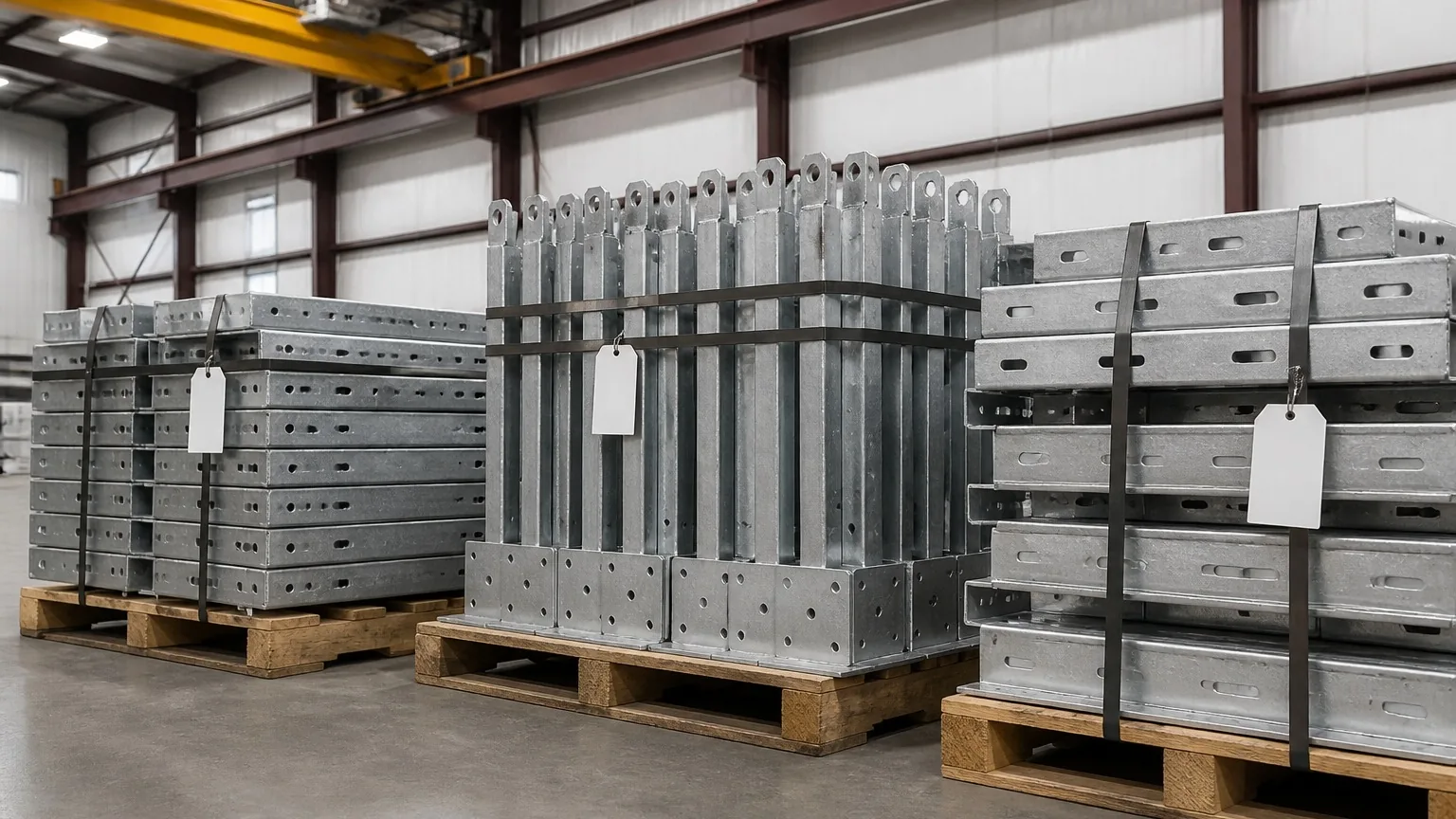
| Shelter steel | Equipment platforms, rack bases, overhead ladder rack and ice bridges; see cable tray supports and platforms |
| Mounts and brackets | Pole bands, wall brackets, pedestal bases and antenna mounts to the carrier standard |
Thermal management
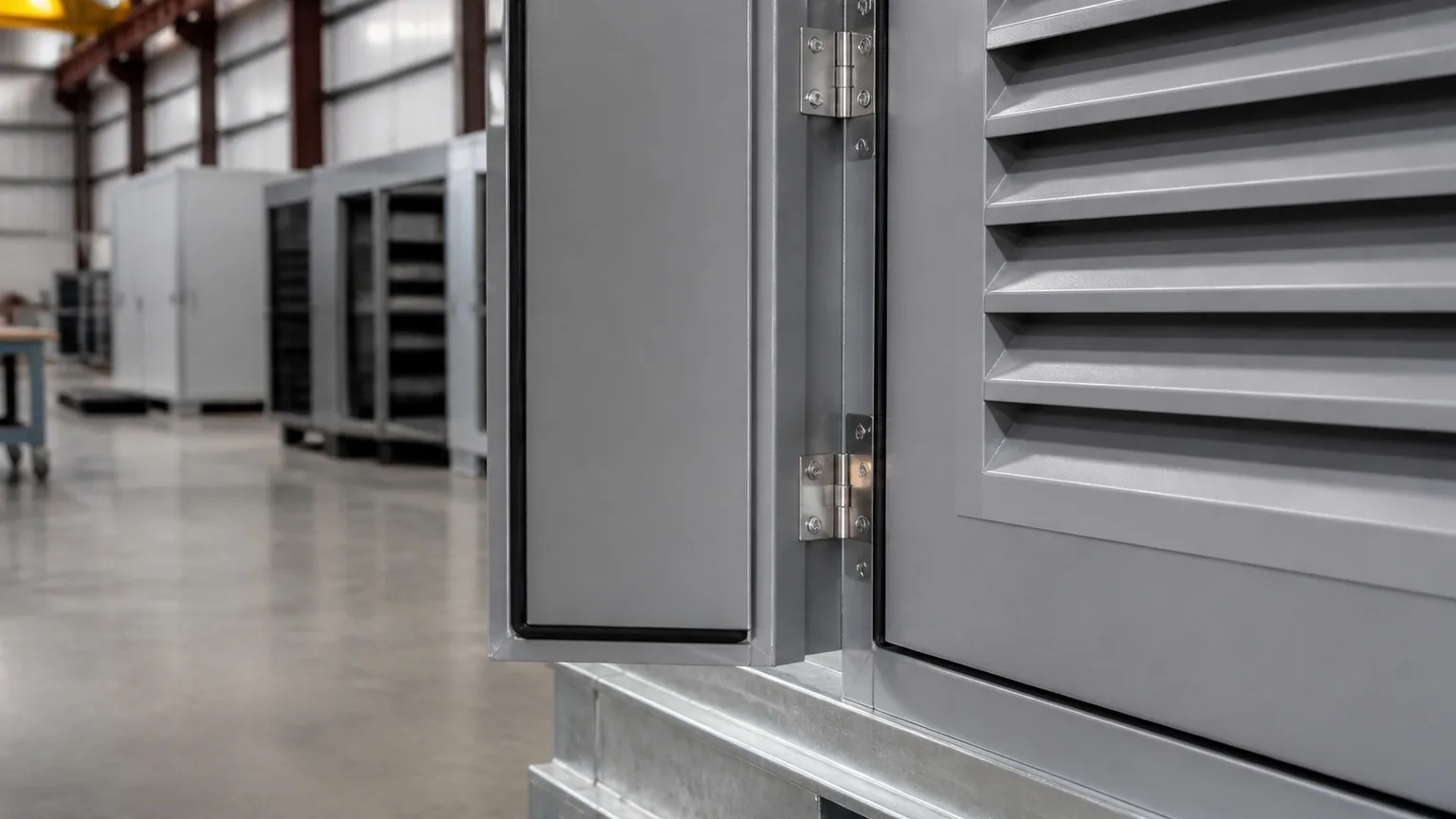
Telecom electronics generate heat continuously and sit in the sun, so the cabinet is a cooling problem first. Low-heat sites use filtered forced ventilation with a thermostat; higher-heat sites use an air-to-air heat exchanger or a cabinet air conditioner on a template cutout; cold climates add heaters for batteries. A sunshield or double roof is common. The carrier’s standard sets the method and the equipment; the fabricator builds the openings, filter frames, fan mounts, cutouts and sunshield standoffs, as described in RTU and communications cabinets, which are the utility version of the same product.
Entries, batteries and security
- Cable and fiber entry — sealed gland plates for power and fiber, with slack storage and bend-radius-safe routing inside; separate entries for AC power and fiber.
- Battery compartment — shelves rated for the string weight, restraint bars, venting and a barrier from the electronics; hydrogen venting where the battery type requires it.
- Rack rails — 19- or 23-inch rails with the rack unit count the carrier standard calls for.
- Security — three-point latches with the carrier’s lock or an electronic lock provision, door alarm contacts, concealed hinges, and tamper-resistant fasteners; copper theft drives much of this.
- Grounding — ground bus with everything bonded, and an external ground point.
Aluminum or steel
Pole-mount cabinets are usually aluminum for weight; pad-mount cabinets and huts are either aluminum or powder-coated steel depending on the carrier’s standard and the site’s corrosion exposure. Aluminum rejects heat better and needs no coating; steel is lower cost and stiffer. The trade-off is laid out in aluminum vs. steel outdoor enclosures; coastal sites follow the stainless post. Whichever material, the finish spec should carry a salt-spray requirement where road salt or coast is present.
How telecom programs are bought
A fiber builder deploying thousands of sites standardizes a cabinet or two and buys them on a program: a frozen drawing, a first article approved by the carrier’s engineering, a forecast by quarter and releases per cluster of sites, with stock held so a cluster is never waiting. Tower companies and contractors buy shelter steel and platforms the same way, and hut and shelter builds follow the E-Room model. The program mechanics are in running an OEM–fabricator program; the comparable roadside product is in traffic and ITS cabinets.
A network is a map of cabinets. The builder that standardizes the cabinet and holds stock turns site count into schedule, not the other way around.
FabTek Industries fabricates telecom outdoor cabinets, battery cabinets, fiber huts and shelter steel to carrier and builder standards — aluminum or powder-coated steel, with thermal management provisions, sealed entries, battery compartments, rack rails and security hardware — in programs with stock against a forecast, under an ISO 9001:2015 quality system with AWS-certified welding, from four production sites in Hazlehurst, Mississippi. See control cabinets, E-Rooms, or send us a standard drawing.
Working on something like this? Send a print or a scope — pricing and lead time within one business day, from four Mississippi plants.
Frequently asked questions
What outdoor enclosures do telecom networks use?
Pole- and pad-mount equipment cabinets for radios, fiber terminals and power supplies, battery backup cabinets, walk-in fiber huts and prefabricated shelters, and the platforms, ladder rack, ice bridges and mounts around them.
How are telecom cabinets cooled?
Filtered forced ventilation for low-heat sites, air-to-air heat exchangers or cabinet air conditioners on template cutouts for higher loads, heaters for batteries in cold climates, and sunshields or double roofs to reduce solar gain, all per the carrier’s standard.
Are telecom cabinets aluminum or steel?
Pole-mount cabinets are usually aluminum for weight. Pad-mount cabinets and huts are aluminum or powder-coated steel depending on the carrier standard and corrosion exposure; aluminum rejects heat better and needs no coating, steel is lower cost and stiffer.
How do fiber builders buy cabinets in volume?
On programs with a frozen drawing, a first article approved by the carrier’s engineering, a quarterly forecast and releases per cluster of sites, with stock held at the fabricator so clusters are not waiting.