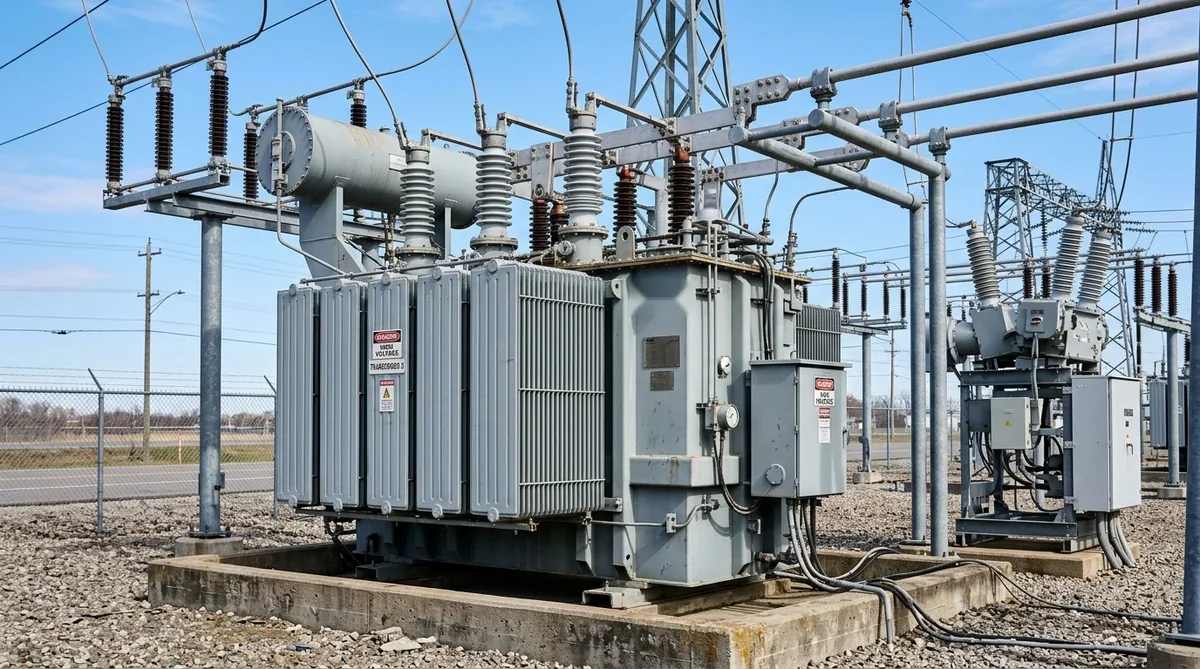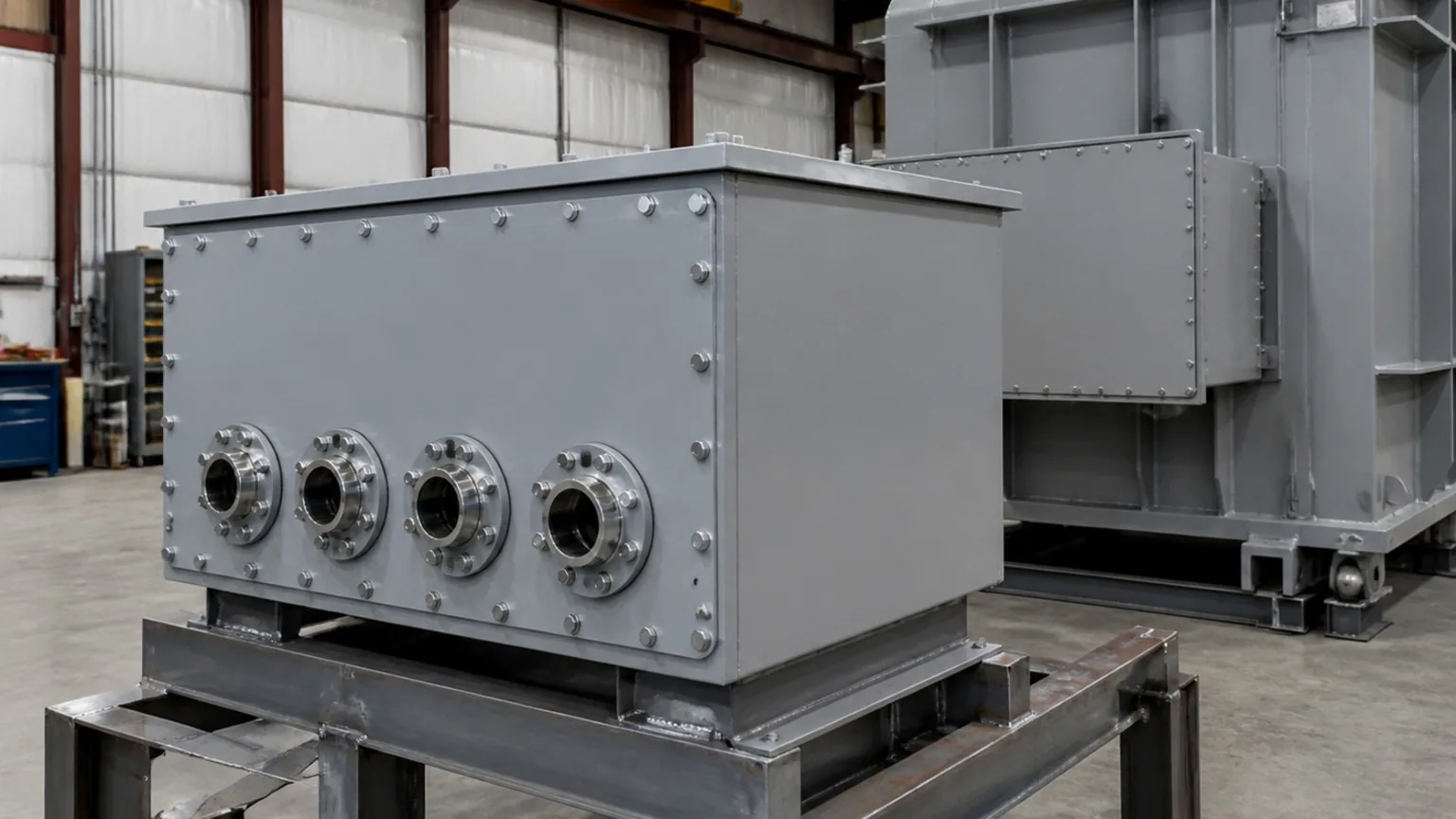
Between the transformer bushings and the customer’s cables sits a box that gets almost no attention until it leaks, corrodes or will not fit the cable. Cable boxes, terminal compartments and air-terminal chambers are weatherproof sheet-metal enclosures bolted to the transformer that give the installer a protected place to terminate. Transformer OEMs buy them to print from contract fabricators in the same programs as tanks and cabinets. This spec sheet covers what goes into one.
Transformer OEM sourcing cable boxes or terminal compartments? Call 601.892.5017 or email collin.t@fabtekindustries.com — send a print and a quantity and we’ll quote it.
- A cable box is a weatherproof terminal enclosure bolted to the transformer over the bushings, with a gland plate for the cables.
- The design is governed by electrical clearance and cable bending radius, which set the box depth and gland plate position.
- Outdoor boxes are NEMA 3R, gasketed to the tank, with drip-shielded removable covers and drained bases.
- OEMs buy them as families by bushing arrangement, often with the tank or cabinet, finished to match.
Types and where they are used
| HV / LV cable box | Bolted to the tank wall over the bushings; cables enter through a bottom gland plate and terminate on the bushing studs; used on liquid-filled units in industrial, utility and generation service |
|---|---|
| Air-terminal chamber | Larger compartment on the tank for medium-voltage terminations with stress cones and clearances; often with a removable front cover and interior barriers |
| Terminal compartment (dry-type) | Compartment integral to the dry-type enclosure or a side-mounted box with terminal boards and cable entry; see dry-type enclosures |
| Throat-connected compartment | Transition compartment with a flange to close-coupled switchgear in a unit substation; see unit substation enclosures |
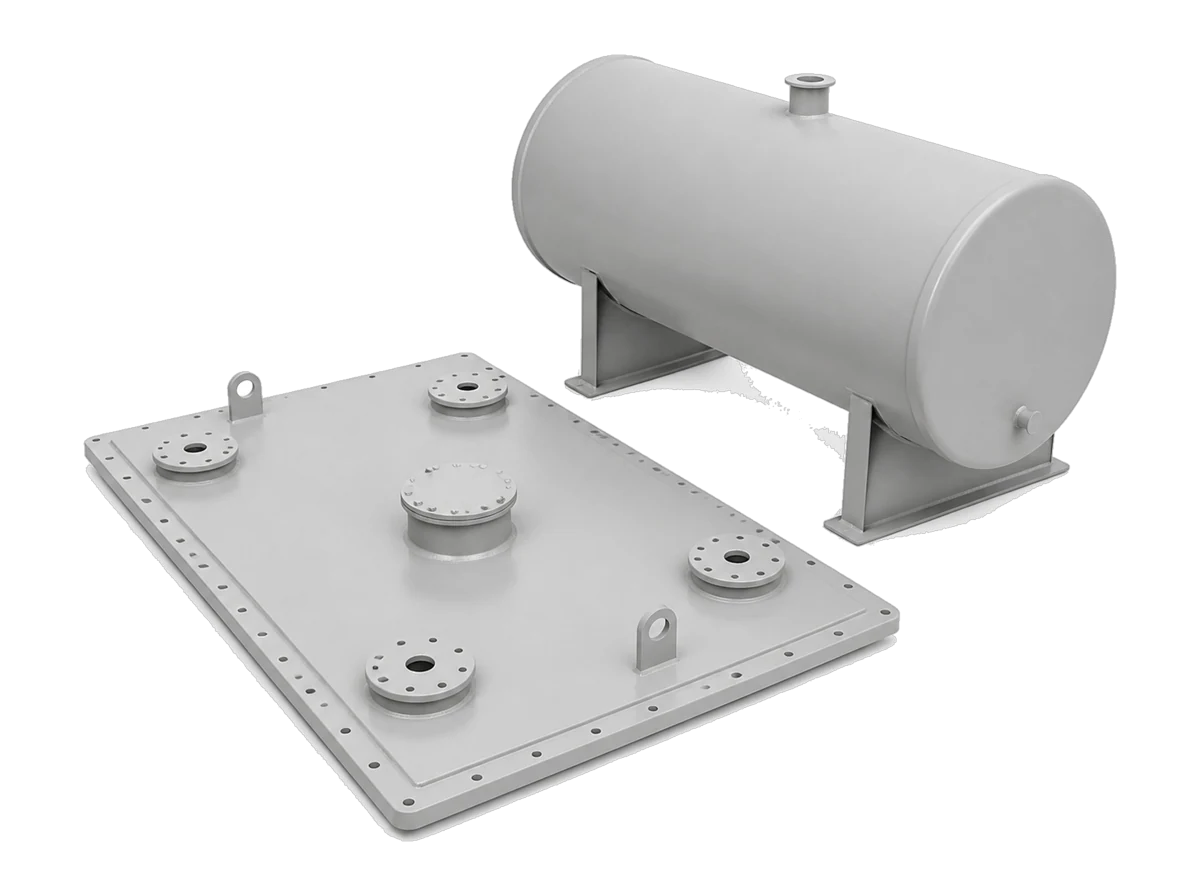
FabTek builds all four as accessories on the covers, conservators and accessories and transformer cabinets lines.
Clearances, depth and the gland plate
The box is sized from the inside out. The OEM’s design sets the phase-to-phase and phase-to-ground clearances for the voltage class, the bushing spacing, the terminal lug or stress-cone envelope, and the minimum bending radius of the largest cable the box will take. Those set the box depth and the gland plate position; the gland plate itself is a removable aluminum or steel plate, blank or drilled, with room for the cable glands or conduit hubs on the project’s cable schedule. Interior barriers between phases are fitted where the OEM’s design calls for them. A box that is shallow enough to look neat and too shallow for the cable is a field problem, so the cable schedule, when known, belongs in the RFQ.
Weatherproofing and the tank interface
- Mounting flange — a continuous flange gasketed to the tank wall or bushing plate, with the bolt pattern matched to the tank’s welded studs or tapped pads.
- Covers — removable or hinged front and top covers with drip shields, captive hardware and gaskets; sloped top to shed water.
- Drain and breather — a screened drain at the base and, where specified, a breather to prevent condensation.
- Grounding — ground stud inside and NEMA pad outside, bonded through the mounting.
- Rating — NEMA 3R as standard; 4X stainless for coastal and chemical sites, per the ratings post.
Materials and finish
Carbon steel in 11 or 12 gauge, powder-coated to match the tank, is the standard; 304 or 316 stainless for corrosive sites; aluminum where the box is large and weight on the tank wall matters. Gland plates are aluminum when single-conductor cables pass through them, to avoid circulating-current heating in a steel plate. The box is painted on the same line and in the same lot as the tank or cabinet so the colors match, which is the practical reason OEMs buy the accessory with the tank. Finish specs follow the film thickness and salt-spray posts.
How OEMs source them
Cable boxes are bought as families keyed to the bushing arrangement and voltage class, with the gland plate drilling either standard or per order. Most OEMs buy them with the tank or cabinet in the same program so the mounting pattern, finish and delivery align; the program runs as described in conservators, covers and tank accessories. For project-specific boxes — an unusual cable size, an air-terminal chamber for a custom unit — the OEM sends a print and a quantity and the box is built as a one-off alongside the family parts.
The cable box is the last thing fabricated and the first thing the electrician touches. Size it for the cable, seal it to the tank, and paint it in the same lot.
FabTek Industries fabricates transformer cable boxes, air-terminal chambers and terminal compartments to OEM prints — sized to the clearance and cable schedule, gasketed to the tank, NEMA 3R or 4X, with gland plates and barriers, powder-coated in-house in the same lot as the tank or cabinet — under an ISO 9001:2015 quality system with AWS-certified welding, from four production sites in Hazlehurst, Mississippi. See covers, conservators and accessories, or send us a print.
Working on something like this? Send a print or a scope — pricing and lead time within one business day, from four Mississippi plants.
Frequently asked questions
What is a transformer cable box?
A weatherproof sheet-metal enclosure bolted to the transformer over the high- or low-voltage bushings, with a gland plate through which the installer’s cables enter and terminate on the bushing studs, protecting the terminations from weather and contact.
What determines the size of a cable box?
The electrical clearances for the voltage class, the bushing spacing and terminal envelope, and the minimum bending radius of the largest cable the box will take. Those set the depth and the gland plate position.
Why are gland plates often aluminum?
Single-conductor cables passing through a steel plate induce circulating currents that heat the plate. A non-magnetic aluminum gland plate avoids the heating.
How do transformer OEMs buy cable boxes?
As families keyed to bushing arrangement and voltage class, usually in the same program as the tank or cabinet so the mounting pattern, finish lot and delivery align, with project-specific boxes quoted to print as needed.