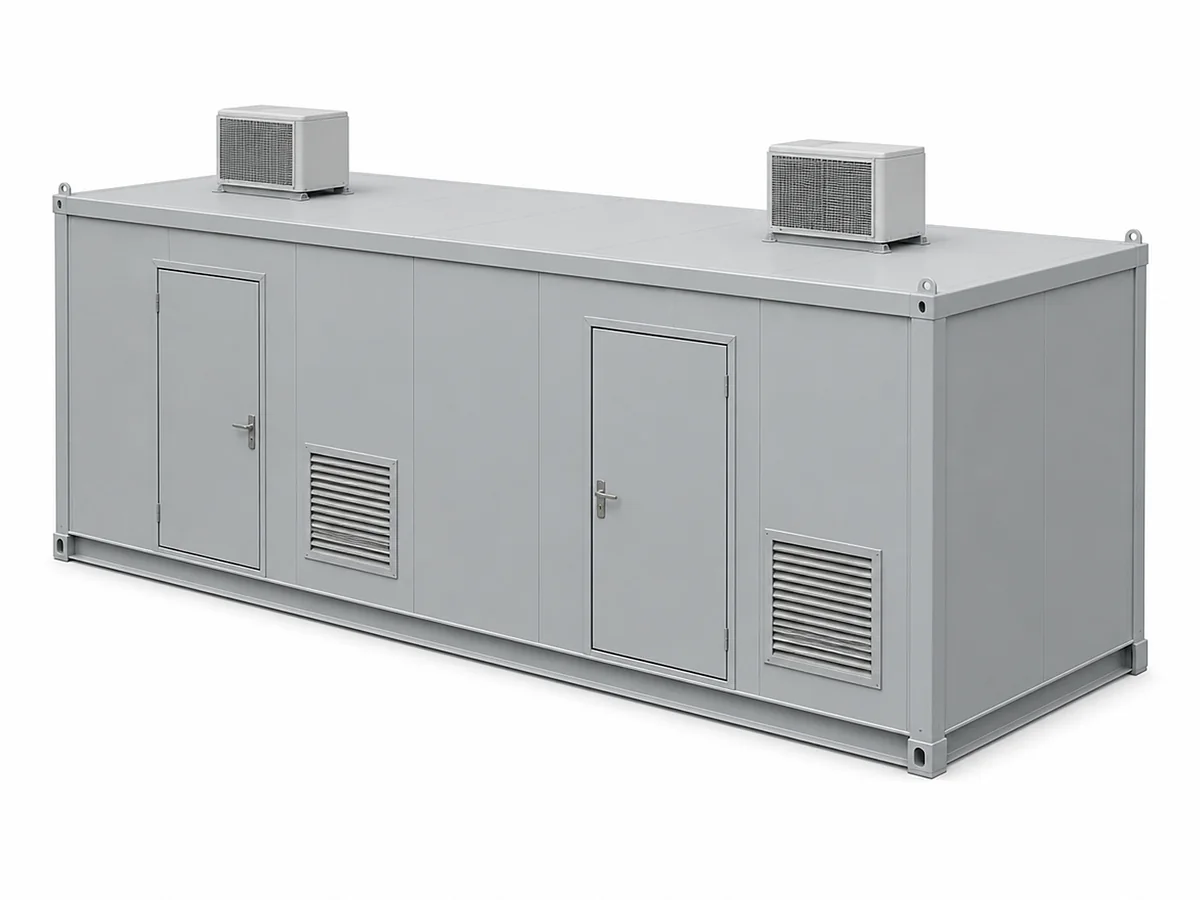
Compressor stations, pump stations, gas processing plants, well pads and terminals all run on electrical equipment that cannot sit in the open: variable-frequency drives for compressors and pumps, medium-voltage switchgear, MCCs and controls. The answer is the E-House or power control room — a prefabricated, pressurized electrical building set outside the classified area or designed to live near it. This guide covers what makes the oil and gas version different and how operators and EPCs source it.
Operator or EPC sourcing an E-House for a compressor, pump or gas plant site? Call 601.892.5017 or email collin.t@fabtekindustries.com — send a print and a quantity and we’ll quote it.
- Oil and gas E-Houses are defined by where they sit relative to the hazardous-area classification and how they are pressurized.
- VFD heat loads drive the HVAC design — and the HVAC drives the roof structure, curbs and power budget.
- Remote sites make skid-mounted, single-lift modules with minimal field work the default.
- Operators and EPCs usually buy the E-House as a package with the drives and switchgear through an integrator, who buys the shell from a fabricator.
Siting and classification
The first design decision is where the building sits on the area classification drawing. Most operators locate the E-House in an unclassified area, which keeps the interior general-purpose; where that is not possible, the building is pressurized under NFPA 496 so that the interior is treated as unclassified, with the air intake ducted from an unclassified location and a purge cycle before energization. Either way, doors face away from process equipment, penetrations are sealed, and the fabricator builds the envelope to the leakage rate the pressurization design needs. The industrial enclosure guide describes the same logic at cabinet scale.
Skids, elevation and blast considerations
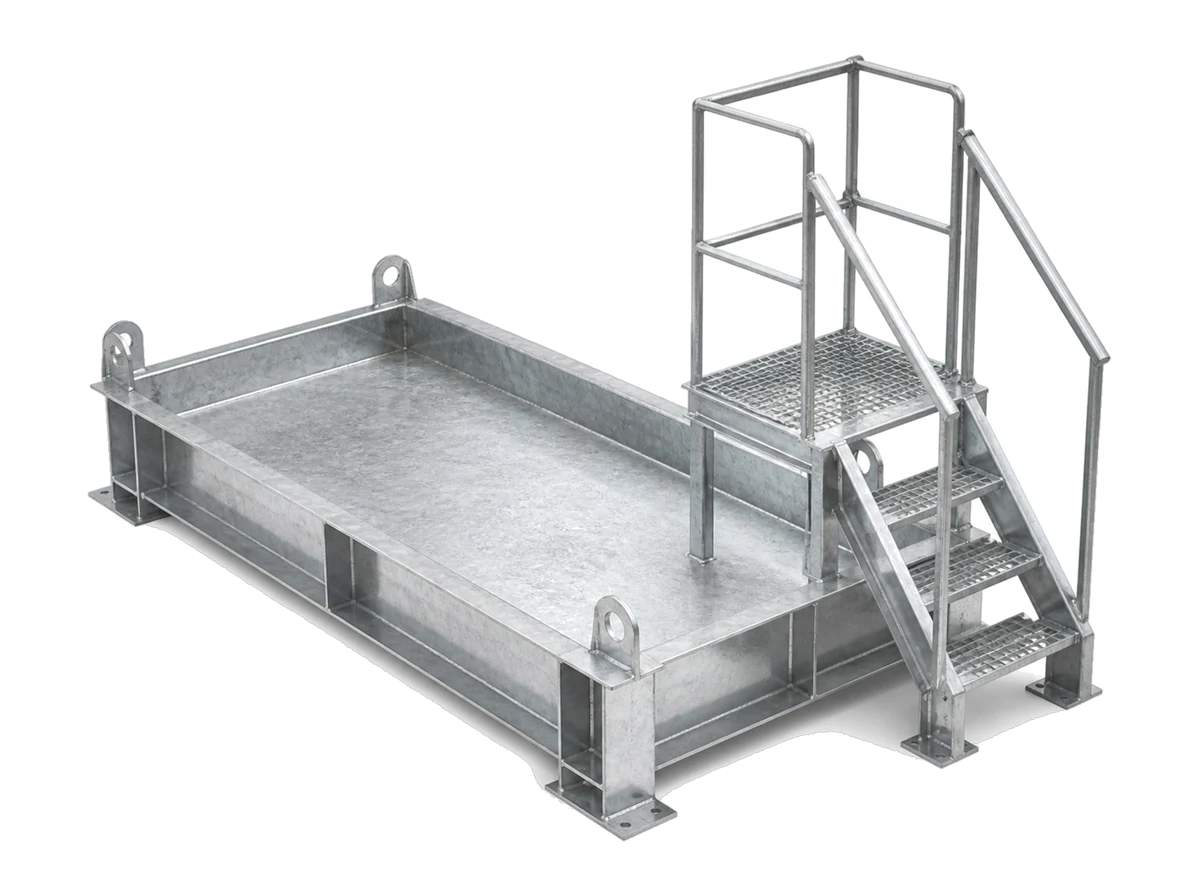
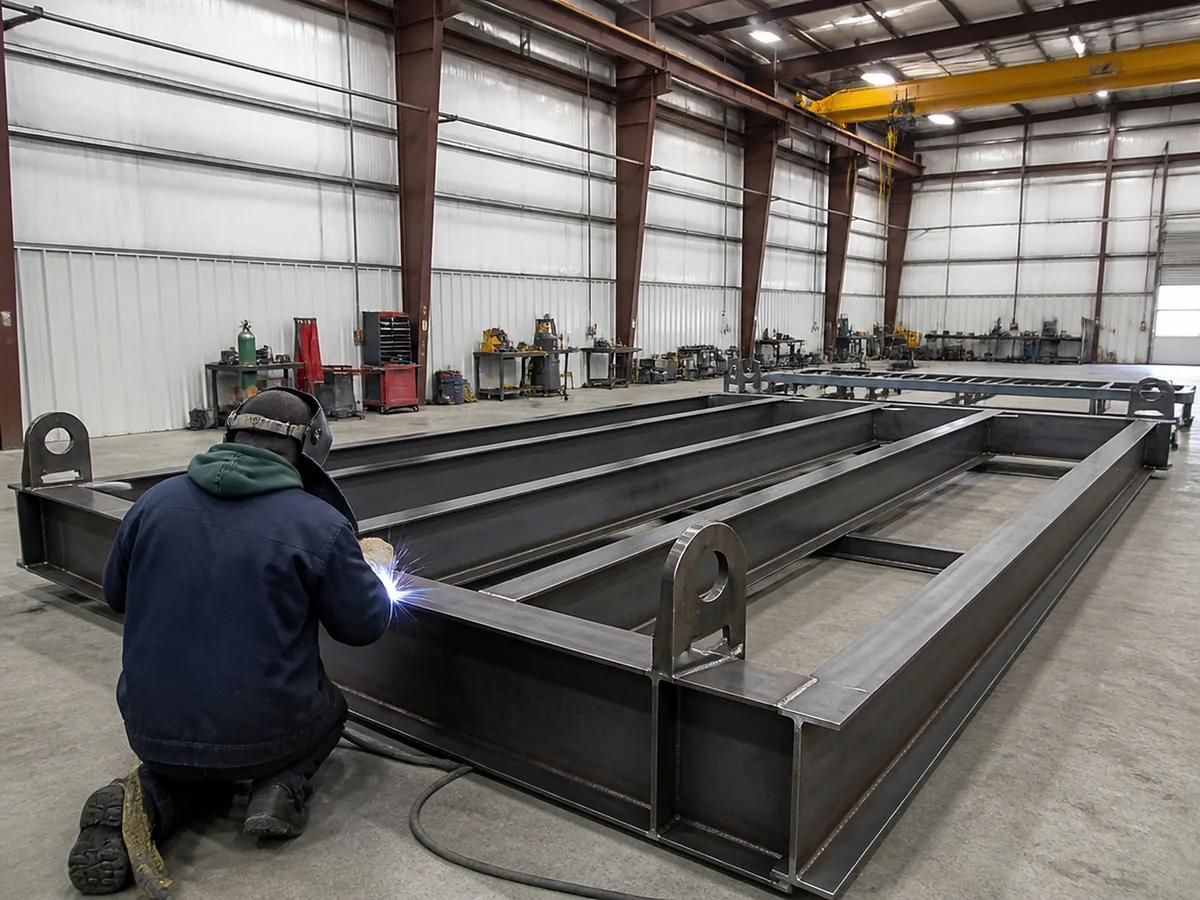
- Skid-mounted — a welded structural skid with cable vault, set on piers or a gravel pad; the house is lifted and set as one piece and connected through the vault.
- Elevated — on structural legs for flood zones or for bottom cable entry with open access below.
- Blast-rated — where the facility siting study places the E-House within a blast overpressure contour, the structure is designed to the specified overpressure and duration by the project engineer, and the fabricator builds the reinforced frame and envelope to those drawings.
- Corrosion — coastal and sour-gas sites get sealed, coated envelopes, stainless hardware and sacrificial sun roofs where the heat warrants.
FabTek builds the structure, skid and envelope on the E-Room and skid and platform lines.
VFD heat and HVAC
A VFD building is a cooling problem with walls. Medium-voltage drives for compressors reject significant heat into the room, so HVAC is sized for the drive losses plus solar gain and ambient, usually with N+1 redundancy and often with a dedicated drive cooling loop or ducted exhaust. For the fabricator that means roof curbs and structural support for heavy rooftop units, supply and return duct penetrations, condensate drains, and a roof designed to carry the equipment and the maintenance load. The HVAC design is the integrator’s or EPC’s; the curbs, supports, cutouts and roof structure are the fabricator’s and go on the print. Thermal provisions covers the fabricated side.
Remote sites and transport
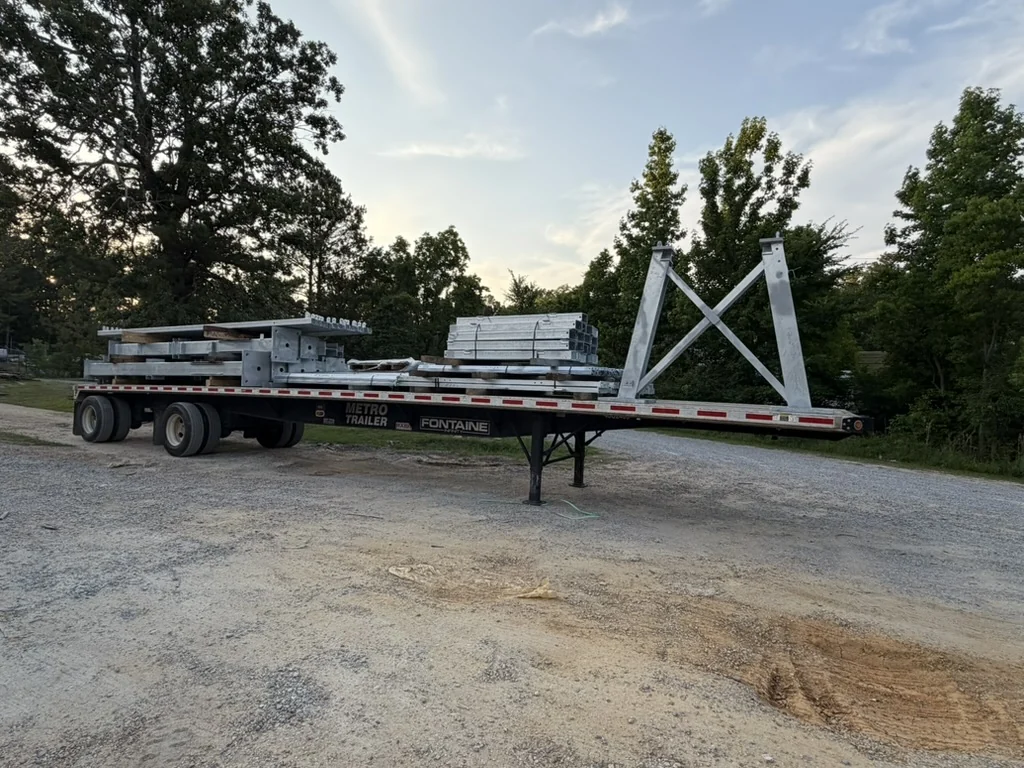
A compressor station may be hours from the nearest town, with no local trades and a crane for one day. That pushes everything into the shop: the E-House ships fitted and tested, with drives, switchgear, MCCs, lighting, HVAC and fire system installed and point-to-point checked, so the field work is setting, bolting down, connecting feeders and commissioning. Module dimensions are set by the route — some sites require escort-width loads, some require splitting the house into two modules joined on site — and the RFQ should give the route limits and the crane. Delivery sequencing and site logistics covers the planning.
How the package is bought
Operators rarely buy an E-House shell by itself. The typical path is an EPC or the operator’s project team buying an integrated package — drives, switchgear, MCCs, controls and the building — from a systems integrator or drive OEM, who in turn buys the shell from a fabricator and fits it. Some operators with standardized designs buy the fitted house directly from a fabricator that installs furnished gear. In either case the fabricator needs the equipment layout with weights and heat loads, the classification drawing, the site loads and transport limits, the fire and HVAC provisions, and the finish and corrosion spec. The industrial E-House RFQ guide lists it all.
On a remote site the E-House is the one piece of the station that arrives finished. The less there is to do when it lands, the sooner the compressor runs.
FabTek Industries fabricates E-Houses and power control rooms for oil and gas, midstream and industrial projects — welded skids and base frames, sealed and insulated envelopes, HVAC curbs and penetrations, pressurization provisions and cable vaults, with furnished drives and switchgear installed where the project wants them — under an ISO 9001:2015 quality system with AWS-certified welding, from four production sites in Hazlehurst, Mississippi. See how we work with EPC contractors, or send us a layout.
Working on something like this? Send a print or a scope — pricing and lead time within one business day, from four Mississippi plants.
Frequently asked questions
What is a power control room in oil and gas?
A prefabricated electrical building — also called an E-House, PCR or VFD building — that houses the drives, switchgear, MCCs and controls for a compressor station, pump station, gas plant or terminal, built in a shop and set at the site on a skid, piers or legs.
How is an E-House used near a hazardous area?
It is either located in an unclassified area, or pressurized under NFPA 496 with the air intake in an unclassified location and a purge cycle before energization, so the interior is treated as unclassified. Doors face away from process equipment and penetrations are sealed.
Why is HVAC so significant in a VFD building?
Medium-voltage drives reject significant heat into the room, so cooling is sized for drive losses plus solar gain and ambient, usually with N+1 redundancy. The rooftop units and ductwork drive the roof structure, curbs, penetrations and power budget.
Who supplies the E-House on an oil and gas project?
Usually a systems integrator or drive OEM supplies an integrated package of drives, switchgear and building to the EPC or operator, buying the shell from a contract fabricator and fitting it. Some operators with standardized designs buy a fitted house directly from the fabricator.