A battery enclosure has two jobs beyond keeping the weather out: hold the modules at the temperature the chemistry wants, and behave predictably if a module fails. The integrator designs both — the cooling system, the gas detection, the venting strategy, the suppression — and the fabricator builds the openings, frames, mounts and seals that the design depends on. This spec sheet lists those provisions and where the line between design and construction sits.
Integrator specifying thermal and safety provisions on a BESS enclosure? Call 601.892.5017 or email collin.t@fabtekindustries.com — send a print and a quantity and we’ll quote it.
- Every thermal and safety system in a BESS enclosure needs a fabricated provision: a cutout, a frame, a mount or a seal.
- The integrator designs cooling, detection, venting and suppression; the fabricator builds the provisions to the tested design.
- Deflagration vent frames and door seals are the two provisions most often under-specified on the print.
- Provisions are cheap in the shop and expensive in the field — the print has to carry all of them.
Cooling provisions
| Wall-mount HVAC | Cutout and stiffened mounting frame to the unit’s template, condensate drain routing, gasket landing, and structural reinforcement for the unit’s weight on the panel |
|---|---|
| Heat exchanger | Air-to-air or liquid-to-air exchanger cutout and mounting; sealed interface for closed-loop designs |
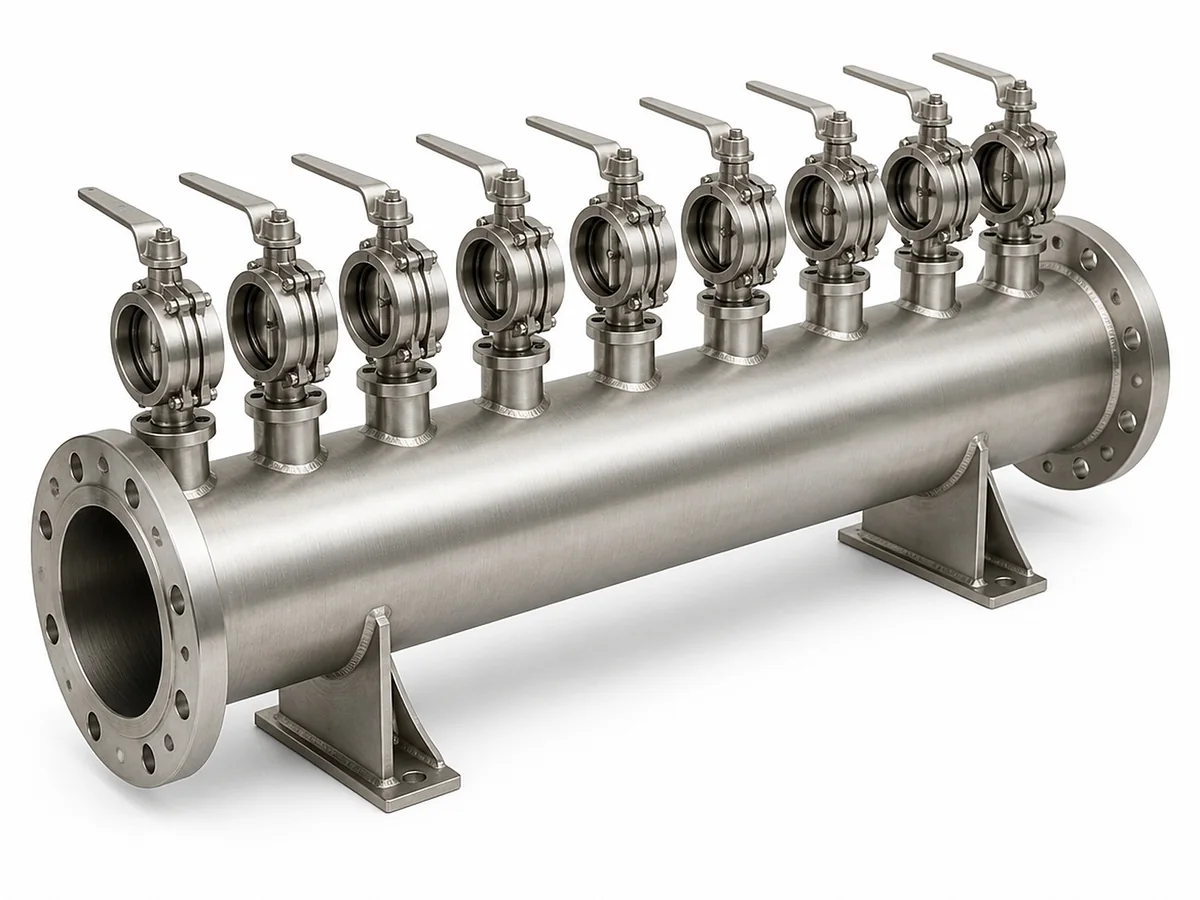
| Liquid cooling | Sealed bulkhead penetrations for supply and return lines, manifold and pump mounting, drip trays and leak-detection provisions; FabTek fabricates the manifolds and cooling skids as well |
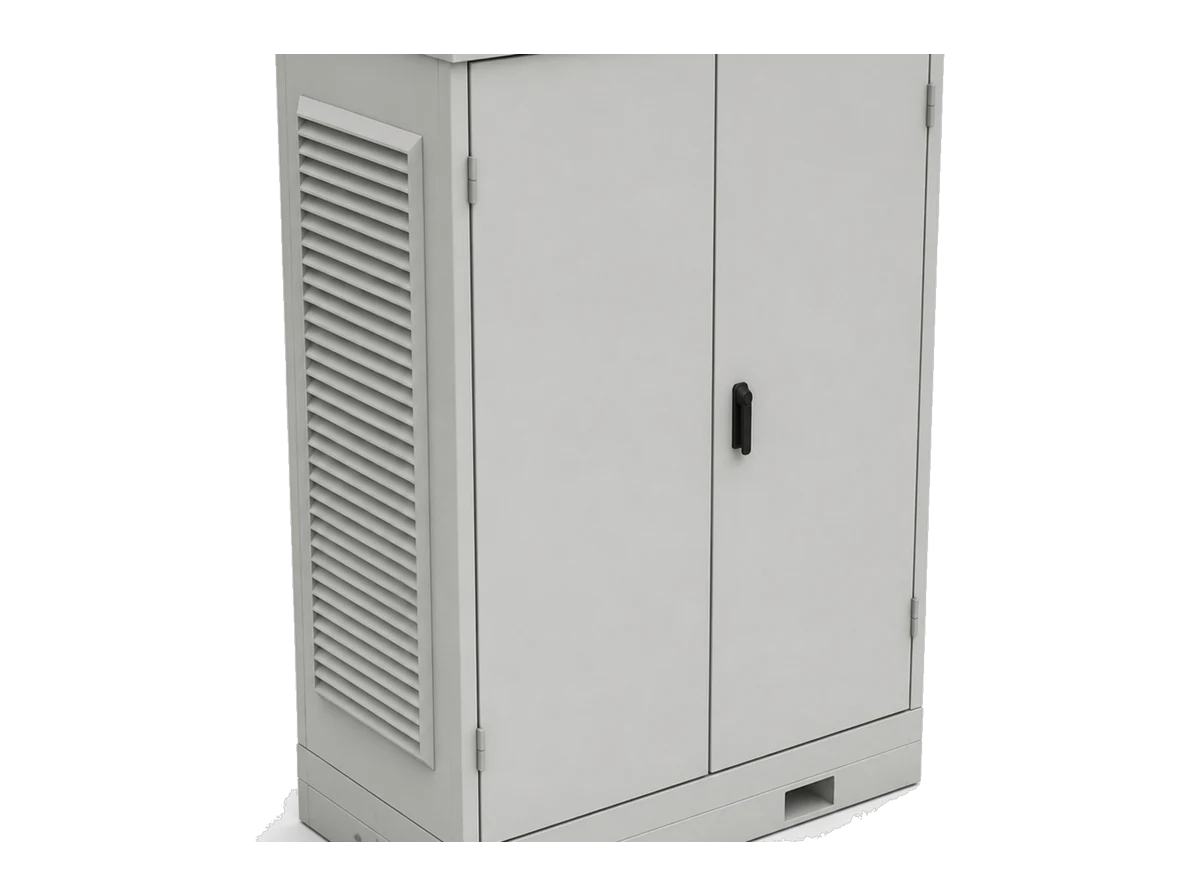
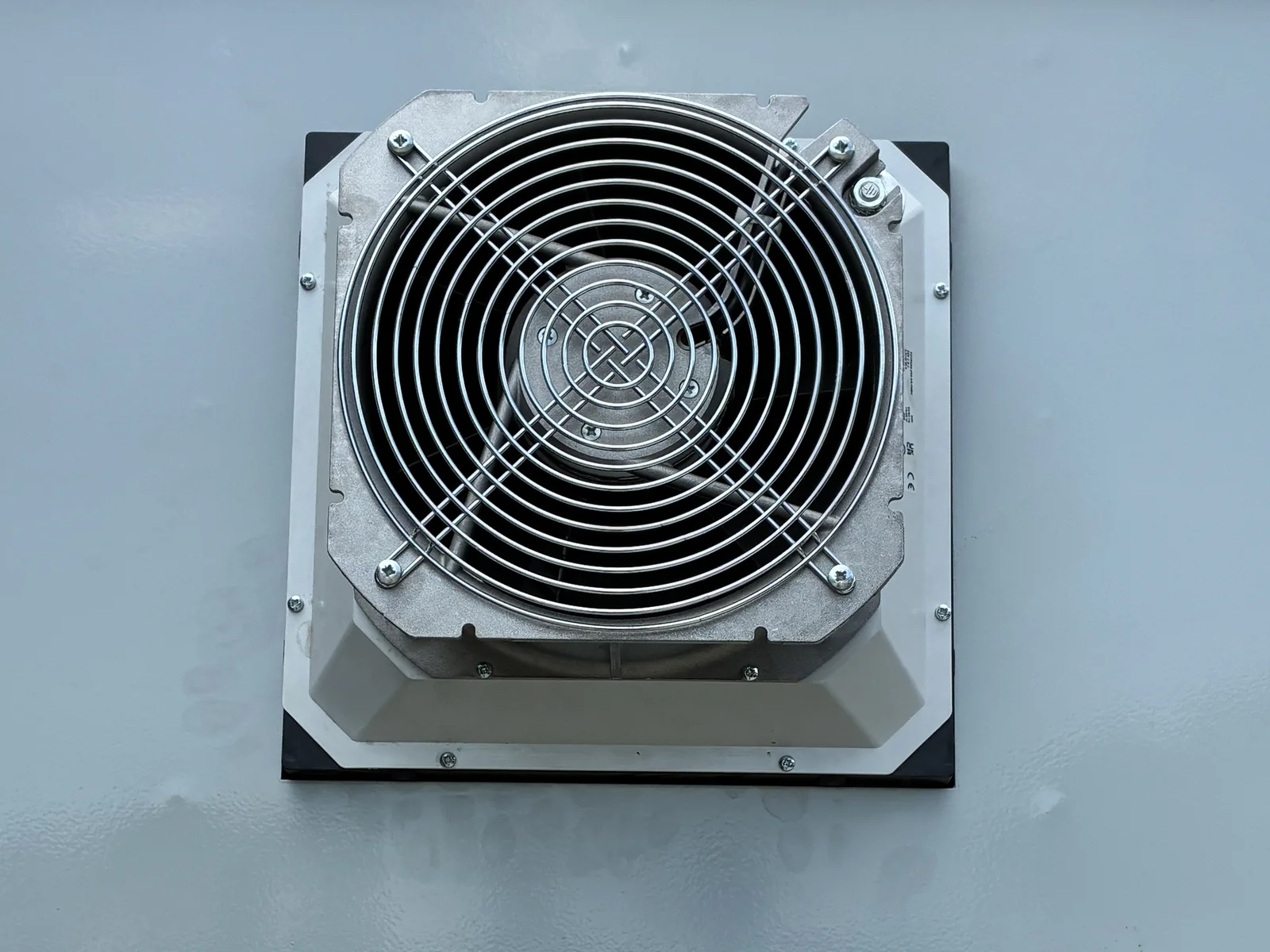
| Ventilated designs | Filtered intake louvers, exhaust fan mounting, motorized dampers, internal baffles; free areas to the thermal design |
| Heaters | Mounting and wiring provisions for cold-climate heaters where the chemistry requires a minimum temperature |
Venting and deflagration provisions
Where the integrator’s design relies on deflagration venting under NFPA 68, the enclosure carries vent panel openings with frames and retention hardware sized to the listed vent panel the integrator specifies; the surrounding structure is designed so the panel opens at its rated pressure and the enclosure stays intact. Where the design relies on explosion control through ventilation, the enclosure has the exhaust path, dampers and fan mounts for the gas-detection-triggered purge. In both cases the provisions are designed by the integrator from its UL 9540A data and the applicable NFPA 855 requirements, and the fabricator builds the frames, openings and reinforcement exactly as drawn. The same build-the-tested-design discipline applies as in arc-resistant switchgear enclosures.
Detection and suppression provisions
- Detectors — mounting bosses or brackets for gas, smoke and heat detectors at the positions the design specifies, with sealed cable entries.
- Suppression — cylinder brackets and floor space for clean-agent or aerosol systems, nozzle penetrations, and piping supports.
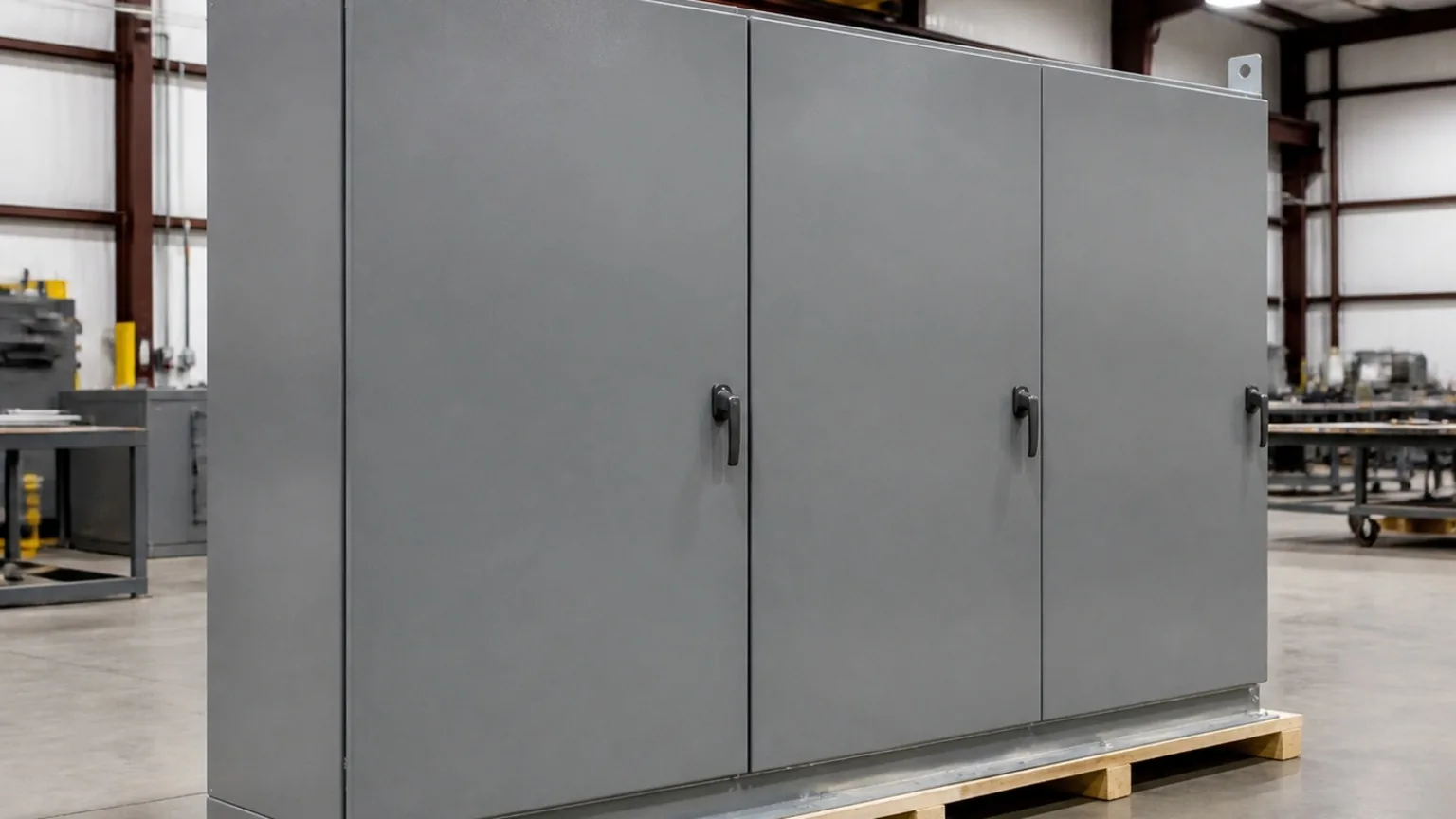
- Door seals — continuous gasketing and latching that hold agent concentration for the required time; the door is part of the suppression system.
- Fire-resistive construction — insulated sandwich panels or rated barriers where the design calls for separation between compartments or from adjacent equipment.
- Signage and access — label plates, emergency shutoff mounting and door hardware the responding crew can operate.
The line between design and construction
The integrator owns the thermal model, the gas and fire analysis, the selection of listed components and the compliance of the system. The fabricator owns the construction: holding the cutout dimensions, reinforcing around heavy wall-mounted units, sealing penetrations, building the vent frames and door seals, and documenting what was built. The hand-off is the print, and the print has to carry every provision; a detector bracket added after powder coat or a vent frame cut in the field is the expensive version of a line on a drawing. The BESS enclosure sourcing guide covers the overall program and PCS enclosures the cooling side of the power electronics.
The safety system is the integrator’s. The hole it mounts through, the frame that holds it and the seal that makes it work are the fabricator’s. The print is where they meet.
Print checklist
HVAC and heat-exchanger templates with weights; liquid-cooling penetration sizes and positions; louver, damper and fan openings with free areas; deflagration vent panel part number and frame details; detector, cylinder and nozzle positions; door gasket and latch specification with the concentration-hold requirement; insulated or rated panel construction where required; and which of these are inspection points at first article. With that list on the print, the fabricator can quote and build the enclosure the design needs; the general RFQ structure is in what a fabricator needs to quote.
FabTek Industries fabricates BESS enclosures and battery cabinets with the cooling, venting, deflagration and suppression provisions the integrator’s design requires — HVAC and heat-exchanger mounting, sealed liquid-cooling penetrations, louvers and fan mounts, vent panel frames, detector and cylinder mounting, gasketed doors — built to the tested print under an ISO 9001:2015 quality system with AWS-certified welding, from four production sites in Hazlehurst, Mississippi. See renewables and energy storage, or send us a print.
Working on something like this? Send a print or a scope — pricing and lead time within one business day, from four Mississippi plants.
Frequently asked questions
What thermal provisions does a fabricator build into a BESS enclosure?
Cutouts and reinforced mounting frames for wall-mount HVAC or heat exchangers, sealed bulkhead penetrations for liquid-cooling lines, filtered louvers, exhaust fan and damper mounting, internal baffles, condensate routing and heater mounting — all to the integrator’s thermal design.
What is a deflagration vent provision?
An opening with a frame and retention hardware sized to the listed vent panel the integrator specifies under NFPA 68, with the surrounding structure reinforced so the panel opens at its rated pressure and the enclosure stays intact.
Who designs the fire suppression in a battery enclosure?
The integrator, from its UL 9540A data and NFPA 855 requirements. The fabricator builds the detector mounts, cylinder brackets, nozzle penetrations and the gasketed doors that hold agent concentration.
Why do door seals matter for BESS safety systems?
Clean-agent and aerosol suppression systems only work if the enclosure holds the agent concentration for the required time. Continuous gasketing and positive latching on the doors are part of the suppression system.