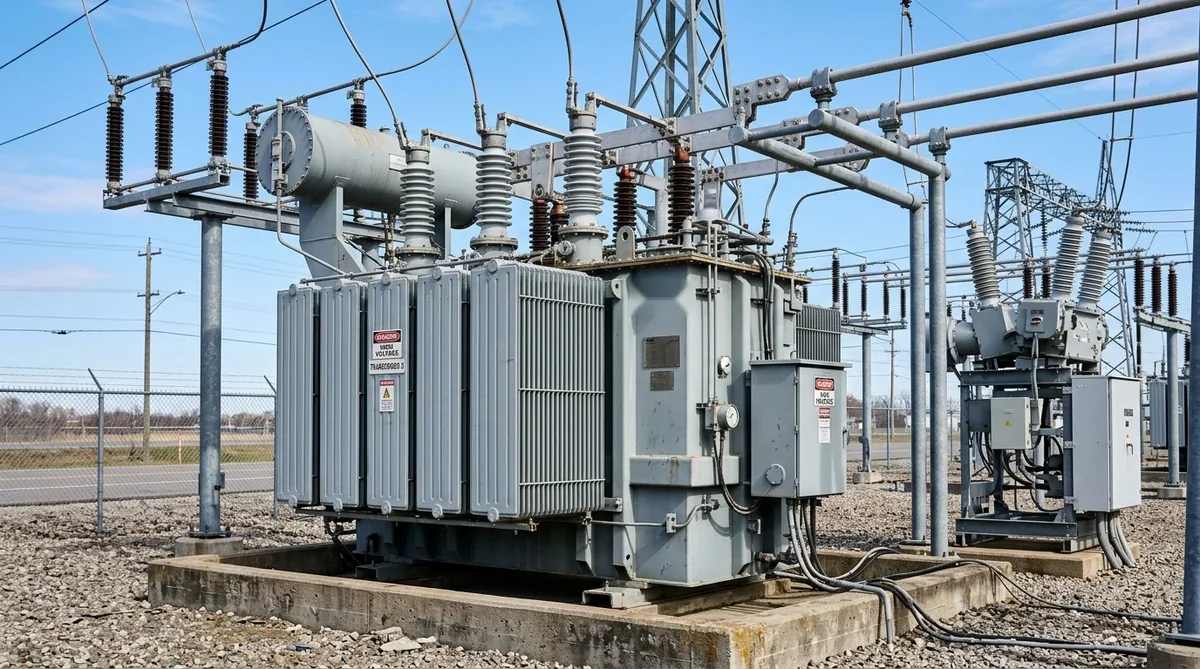
The distribution transformer backlog is usually explained in terms of core steel, winding labor and test capacity. Tanks rarely make the list, and yet every transformer ships in one, and the plants that make them well — leak-tight, square, painted to a utility finish, in volume — are not numerous. OEMs that have secured tank capacity are the ones adding output; utilities that understand this can help their OEMs. This guide covers how tank capacity is sourced and held.
Transformer OEM or utility looking to secure tank capacity? Call 601.892.5017 or email collin.t@fabtekindustries.com — send a print and a quantity and we’ll quote it.
- Tank capacity is a real constraint in distribution transformer output, after cores, windings and test.
- Tank lead time is set by plate supply, forming and welding capacity, test and paint, in that order.
- OEMs hold capacity with reserved lines and release schedules; one-off POs restart the queue every time.
- Utilities can help by standardizing tank designs across their OEMs and forecasting with them.
The tank types
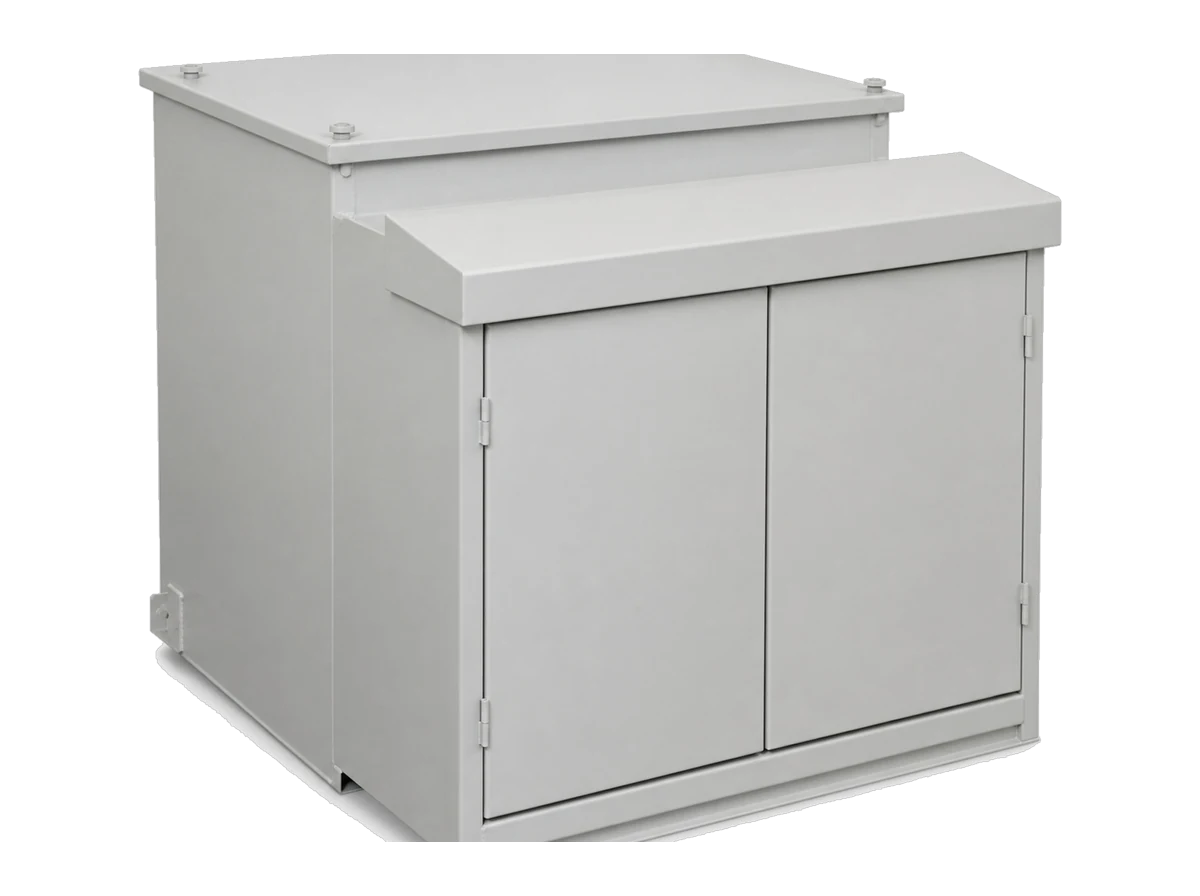
| Pad-mount tanks | Rectangular welded tanks with a cabinet on the front, radiators or tube cooling, for single- and three-phase pad-mounted units; the highest volume type. See pad-mount tanks |
|---|---|
| Pole-mount round tanks | Rolled and welded cylindrical tanks with cover and hanger brackets, tube- or fin-cooled, for single-phase overhead units. See round and pole-mount tanks |
| Corrugated-wall tanks | Tanks with formed corrugated cooling panels welded into the walls, used on larger distribution and small power units. See corrugated-wall tanks |
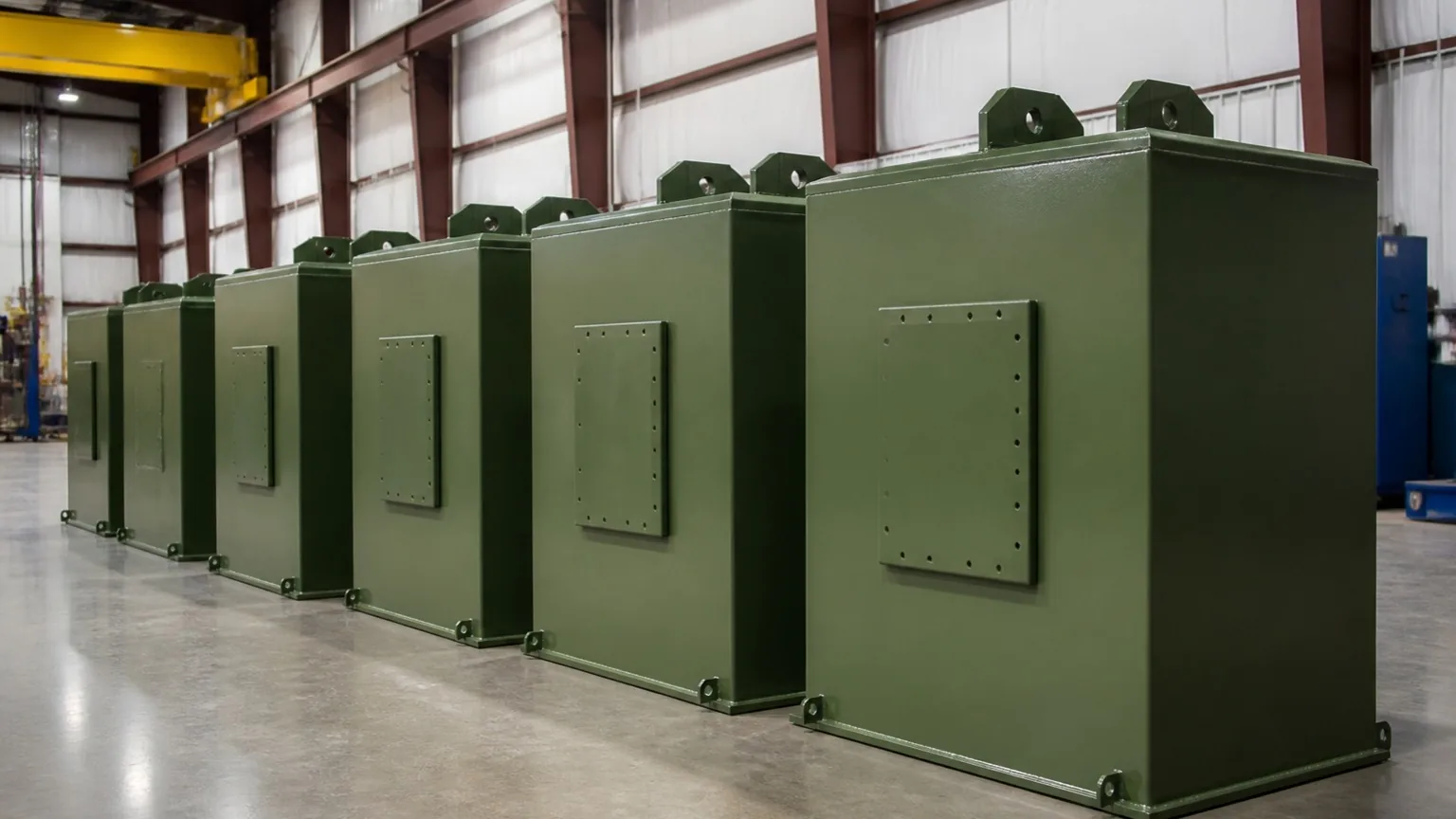
| Small power tanks | Plate tanks with radiator headers and conservators for units above the distribution class. See power transformer tanks |
What sets tank lead time
- Plate and coil supply — steel on hand or on order; a fabricator staging plate for a program removes weeks.
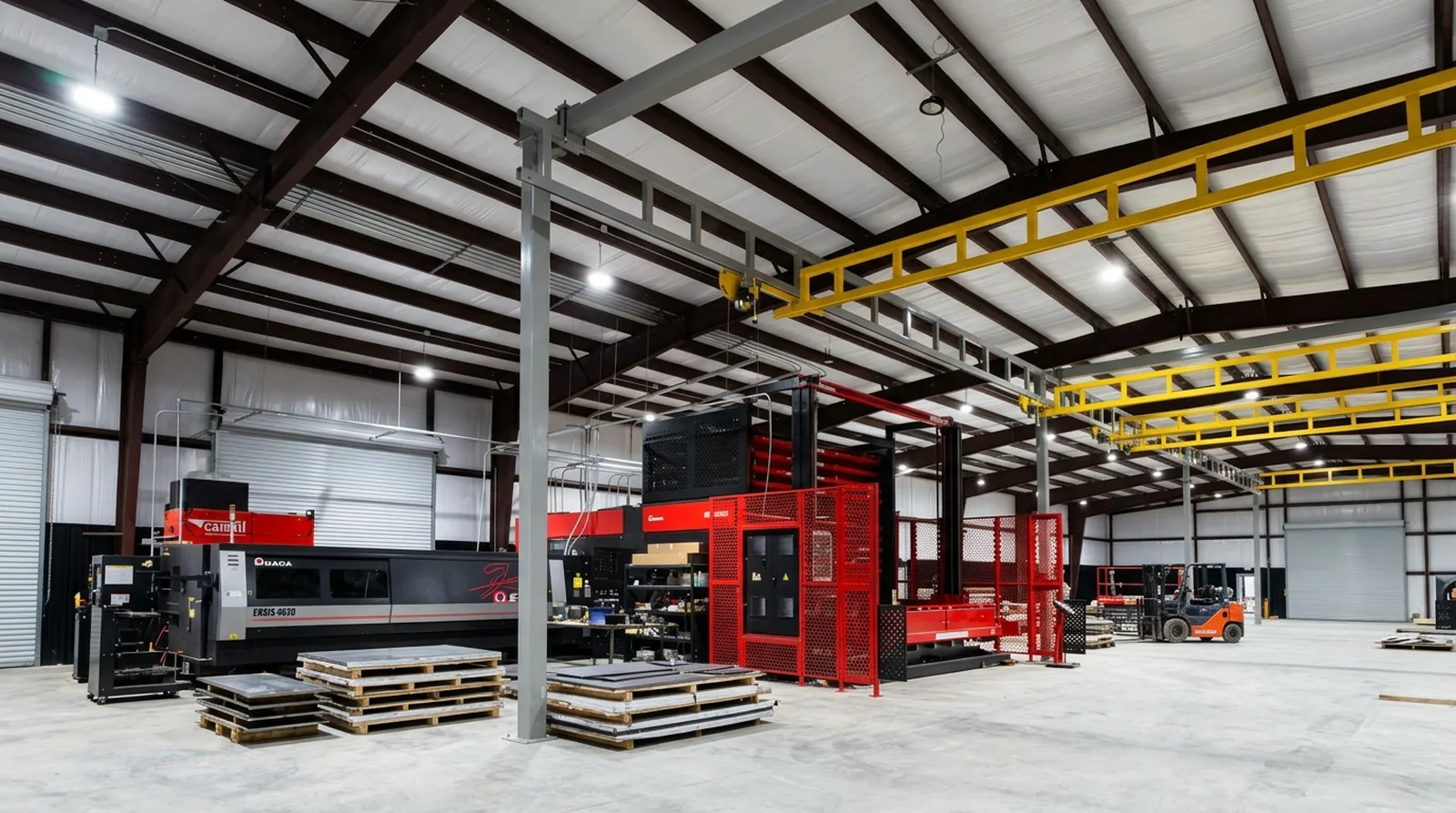
- Forming and welding capacity — press brakes long enough for tank walls, corrugation forming for corrugated designs, fixtures and welders for the volume; the binding constraint on most tank lines.
- Test — pressure and vacuum leak test on every tank; a bottleneck when the test bay is shared.
- Paint — blast and powder or liquid coat to the utility’s salt-spray spec; capacity on the line and curing time.
- Revisions — every drawing change after release re-dates the tank; see late design changes for the general case.
FabTek’s approach to quoting and holding a date is explained in lead times and capacity.
How OEMs reserve capacity
The OEMs that get tanks on time buy them the way they buy core steel: with a forecast and a commitment. A reserved line means a fabricator dedicates forming, welding, test and paint capacity to the OEM’s tank family, stages plate against the forecast, and releases tanks weekly or monthly in line sequence. The OEM commits to a volume band and gives rolling releases; the fabricator commits to a lead time inside that band. The alternative — a PO per lot, bid each time — puts the OEM at the back of the queue on every order, and the arithmetic of that is in the cost of a stalled line vs. reserved capacity and long-term fabrication contracts vs. spot POs.
What utilities can do
A utility cannot buy tanks for its OEM, but it can make its OEM’s tank program easier. Standardizing tank and cabinet designs across the OEMs it buys from reduces the number of families a fabricator has to tool; giving OEMs multi-year volume forecasts lets them commit to fabricators; and accepting the fabricator’s finish qualification once, rather than re-qualifying per OEM, saves everyone months. Utilities that have done this are the ones whose OEMs quote them shorter lead times. The broader picture is in how the transformer supply chain works.
Qualification and test
Before a tank line is reserved, the OEM qualifies the fabricator: weld procedures and welder certifications, pressure and vacuum test method and records, finish system and salt-spray data, dimensional first article on each family, and the documentation that will ship with each lot. How to qualify a contract transformer tank fabricator is the checklist; welded vs. bolted tanks covers the construction decision. Once qualified, the relationship runs on the release schedule and the records.
Nobody waits for a transformer because the tank was hard to design. They wait because nobody reserved the line that welds it.
FabTek Industries fabricates distribution and small power transformer tanks — pad-mount, pole-mount round, corrugated-wall and power — on dedicated lines for transformer OEMs, pressure- and vacuum-tested, blasted and finished in-house to utility salt-spray specs, with reserved capacity against a forecast, under an ISO 9001:2015 quality system with AWS-certified welding, from four production sites in Hazlehurst, Mississippi. See how we work with transformer OEMs, or send us a tank family.
Working on something like this? Send a print or a scope — pricing and lead time within one business day, from four Mississippi plants.
Frequently asked questions
Is tank fabrication a constraint on distribution transformer production?
Yes, after core steel, winding labor and test capacity. Every unit ships in a tank, and plants that produce leak-tight, utility-finished tanks in volume are limited. OEMs that have secured tank capacity are better positioned to add output.
What sets the lead time on a transformer tank?
Plate supply, forming and welding capacity, pressure and vacuum test capacity, and blast-and-paint capacity, plus any drawing revisions after release. Staging plate and reserving a line against a forecast removes most of the variability.
How does a transformer OEM reserve tank capacity?
By committing to a volume band with a forecast by tank family and giving rolling releases, in exchange for which the fabricator dedicates line capacity, stages material and commits to a lead time within the band.
How can a utility help its transformer OEMs with tanks?
By standardizing tank and cabinet designs across its OEMs, providing multi-year volume forecasts the OEMs can pass to fabricators, and accepting a fabricator’s finish qualification once rather than per OEM.