Ask a steel buyer what changed over the past year and price won't be the first word out of their mouth. Availability will. And when availability is the constraint, how you contract with your fabricator matters more than what you pay them.
- SMU buyer surveys through 2026 show mill price negotiability near multi-year lows, with sheet and plate lead times at or near multi-year highs.
- A PO-by-PO buyer sits at the back of every queue — material, schedule, and labor — and the queue resets with every order.
- Committed volume lets a fabricator lock material, reserve schedule, staff ahead of demand, justify capex, and stabilize quality.
- Spot POs still win for true one-offs and soft markets. The discipline is matching the contracting model to the environment.
Sourcing for an active project? Call 601.892.5017 or email collin.t@fabtekindustries.com — send a drawing or a scope and we’ll respond fast.
What the steel market is saying
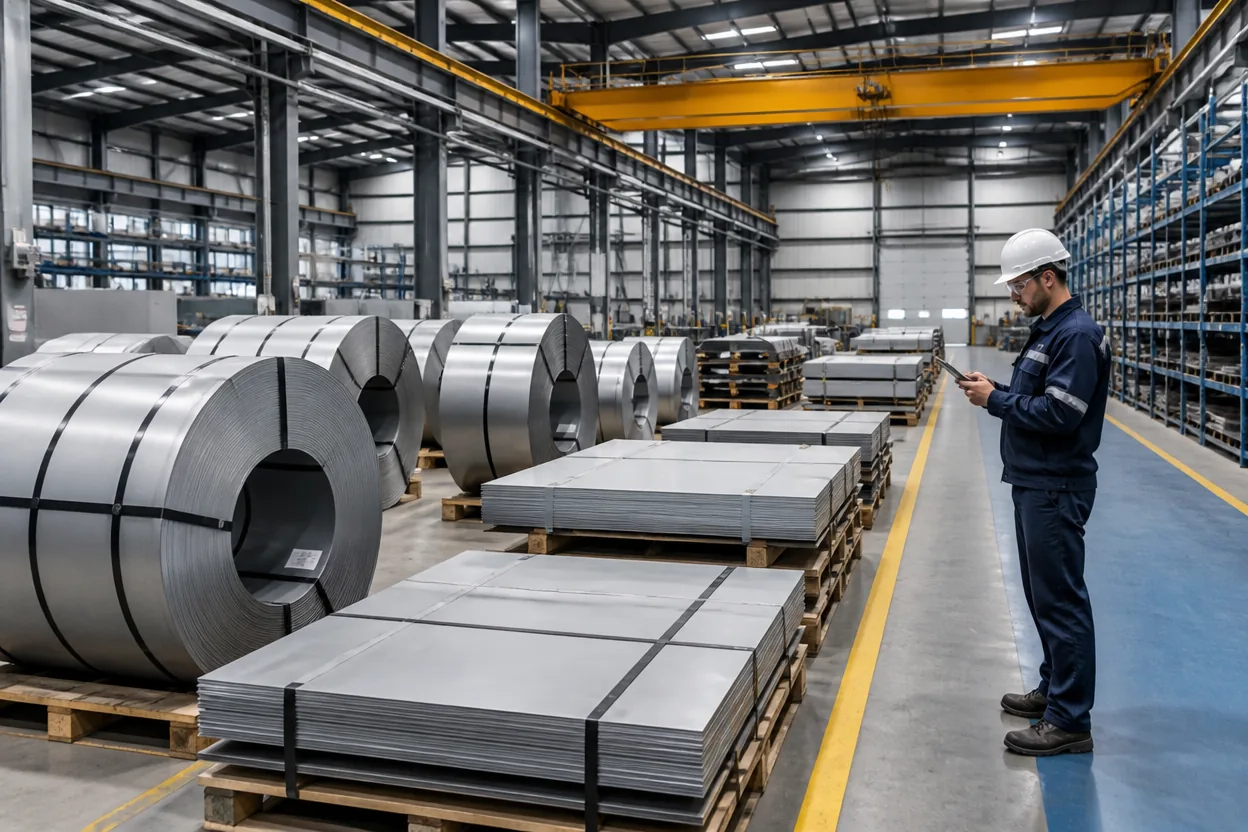
Steel Market Update surveys steel buyers every other week on whether domestic mills will negotiate price on new spot orders. Through 2026 those readings have sat near multi-year lows — one January survey found just 28% of buyers reporting any willingness to negotiate, the lowest in nearly two years — and buyer comments run to "availability remains slim" and "lots of no-quotes." Sheet and plate lead times have held at or near multi-year highs for months, with plate at its longest in four and a half years. A full mill isn't rude; it's rational. It protects contract customers and lets spot buyers wait.
What a spot PO really buys you
Now apply the same logic one tier down, to your fabricator. A shop quoting your work PO-by-PO can only offer what exists the day your order lands: whatever material window, whatever open slot, whatever labor is unspoken for. Every new PO re-enters the queue from the back. In a loose market that flexibility is nearly free, and shopping each job is sound procurement. In an allocation market it's a tax you pay in weeks — and as we saw with datacenter power equipment lead times, weeks are the currency projects actually run on.
What a long-term fabrication agreement unlocks
A long-term agreement isn't a discount mechanism. It changes what your supplier is physically able to do on your behalf:
- Material. Committed volume lets the shop hold contract tons with mills and service centers instead of chasing spot — your job stops waiting on a mill with no reason to negotiate.
- Schedule. Reserved production slots turn lead time from "current backlog plus your job" into a standing cadence. The queue stops resetting.
- Staffing. Capacity is ultimately welders, brake operators, and assemblers. A contracted forecast lets a shop hire and train ahead of your demand instead of reacting to it.
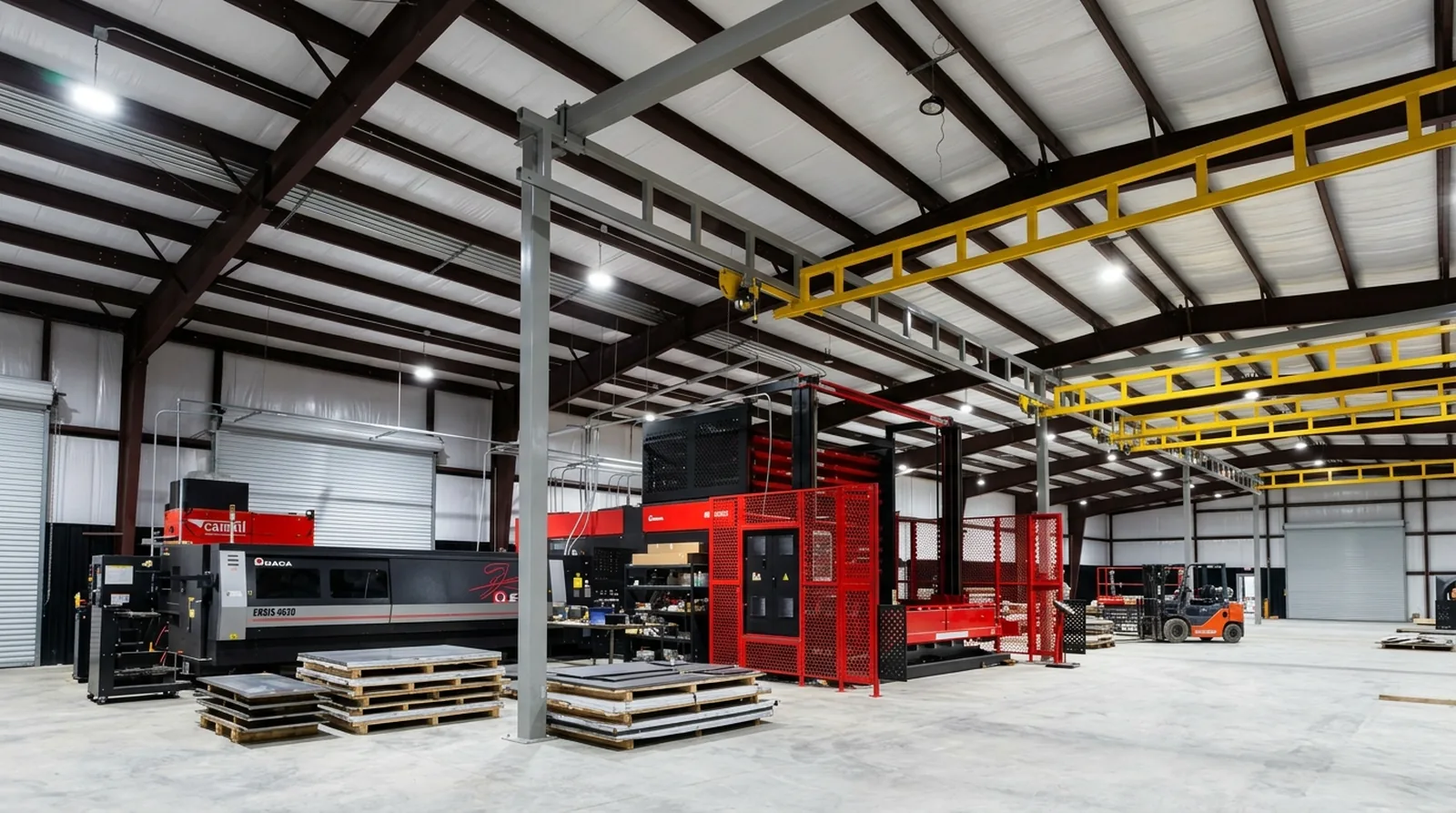
- Capex. Nobody adds a fiber laser or stands up a line for a customer who might re-quote next quarter. Committed volume underwrites the equipment that shortens everyone's lead time.
- Quality. Repetition is a quality system's best friend — stable fixtures, refined work instructions, and first-article learnings that carry forward instead of every order being a first order.
In an allocation market, the smartest thing to negotiate isn't price. It's a slot.
When to use contracts vs. spot POs
Transactional POs still make sense — for genuine one-offs, R&D and prototype work, or soft markets where capacity is chasing you. Committed agreements win when the work is repeatable, the market is tight, and schedule risk costs more than a percentage point of price. The failure mode to avoid is running a spot playbook in an allocation environment and being surprised when the dates slip.
We build our side of these partnerships deliberately: dual-shift capability, overflow facilities, backup machines, and a documented quality system that lets us commit volume and dates in writing across every core process in-house. If your current suppliers can't tell you what your slot looks like next quarter, that's a conversation worth having.
Frequently asked questions
Is steel more expensive or just harder to get?
Both, but availability is the binding constraint — SMU surveys show mill negotiability near multi-year lows with sheet and plate lead times at or near multi-year highs, and buyers reporting no-quotes on spot orders.
What does a long-term agreement with a fabricator change?
It lets the fabricator hold contract material, reserve production slots, staff and train ahead of demand, justify capacity investments, and stabilize quality through repetition — none of which a one-off PO supports.
When does PO-as-you-go still make sense?
For true one-offs, prototype and R&D work, or soft markets where fabrication capacity exceeds demand and shopping each job yields real savings without schedule risk.
How does FabTek support committed programs?
With dual-shift capability, overflow facilities, backup machines, and an ISO 9001:2015 quality system — so volume and dates can be committed in writing and protected.