Motor control centers and switchboards are the highest-volume switchgear-type enclosures in the low-voltage world — every plant, pump station, water facility and commercial building has them — and their OEMs assemble them on lines that cannot stop for a missing door. Most of those OEMs buy the sheet metal as kits from contract fabricators. This guide explains what a kit is, how the program is structured and what the OEM needs from the fabricator to keep the line running.
Low-voltage OEM looking for a second kit source or added capacity? Call 601.892.5017 or email collin.t@fabtekindustries.com — send a print and a quantity and we’ll quote it.
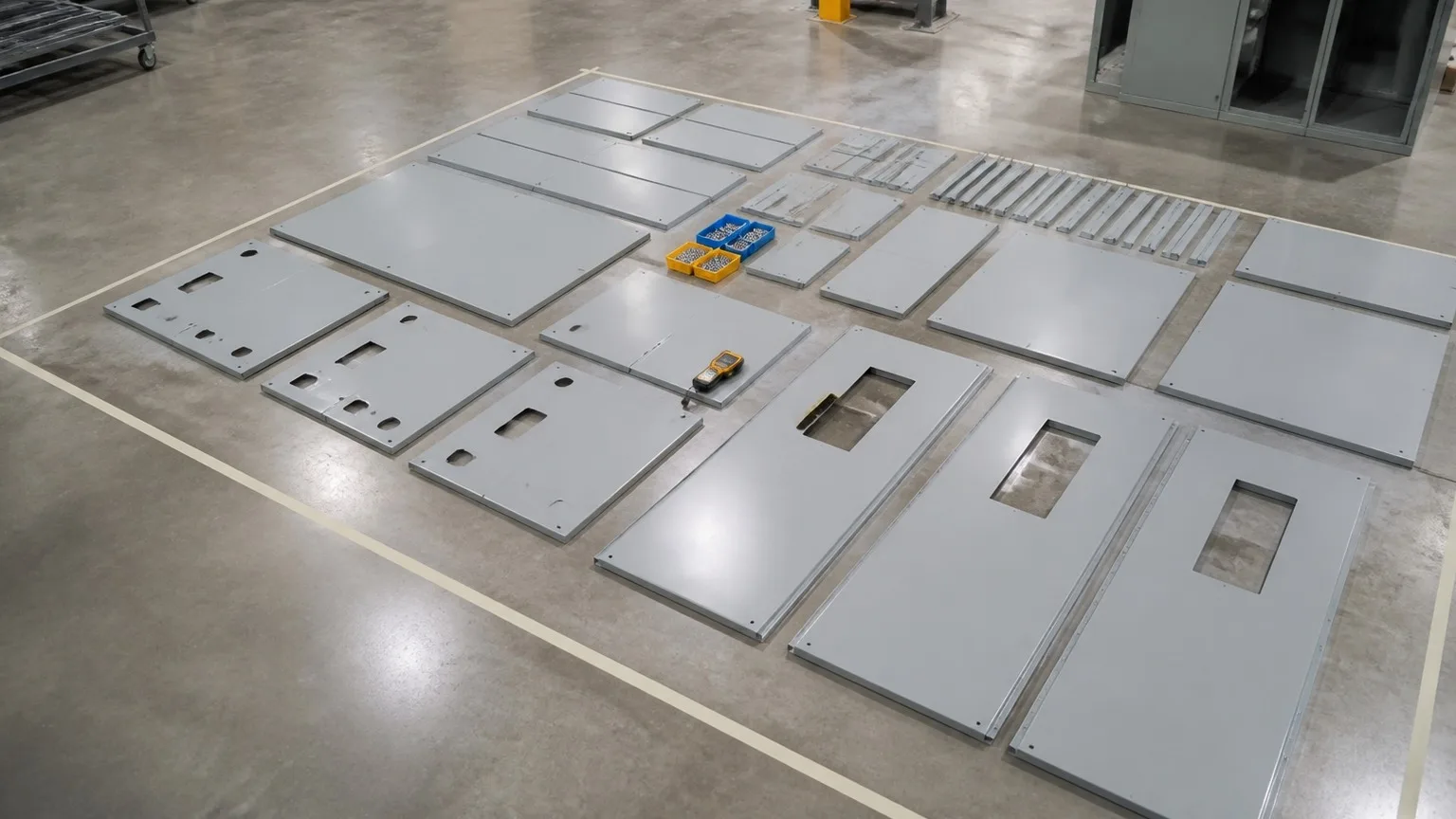
- A section kit is every formed and finished part for one MCC or switchboard section, packaged so the line pulls one kit per section.
- The program lives or dies on repeatability: hole patterns, flatness and finish identical from the first kit to the ten-thousandth.
- The OEM owns the UL 845 or UL 891 listing; the fabricator builds exactly the construction that was evaluated.
- Kanban or forecast releases with staged material are how a fabricator holds lead time on a kit program.
What a section kit contains
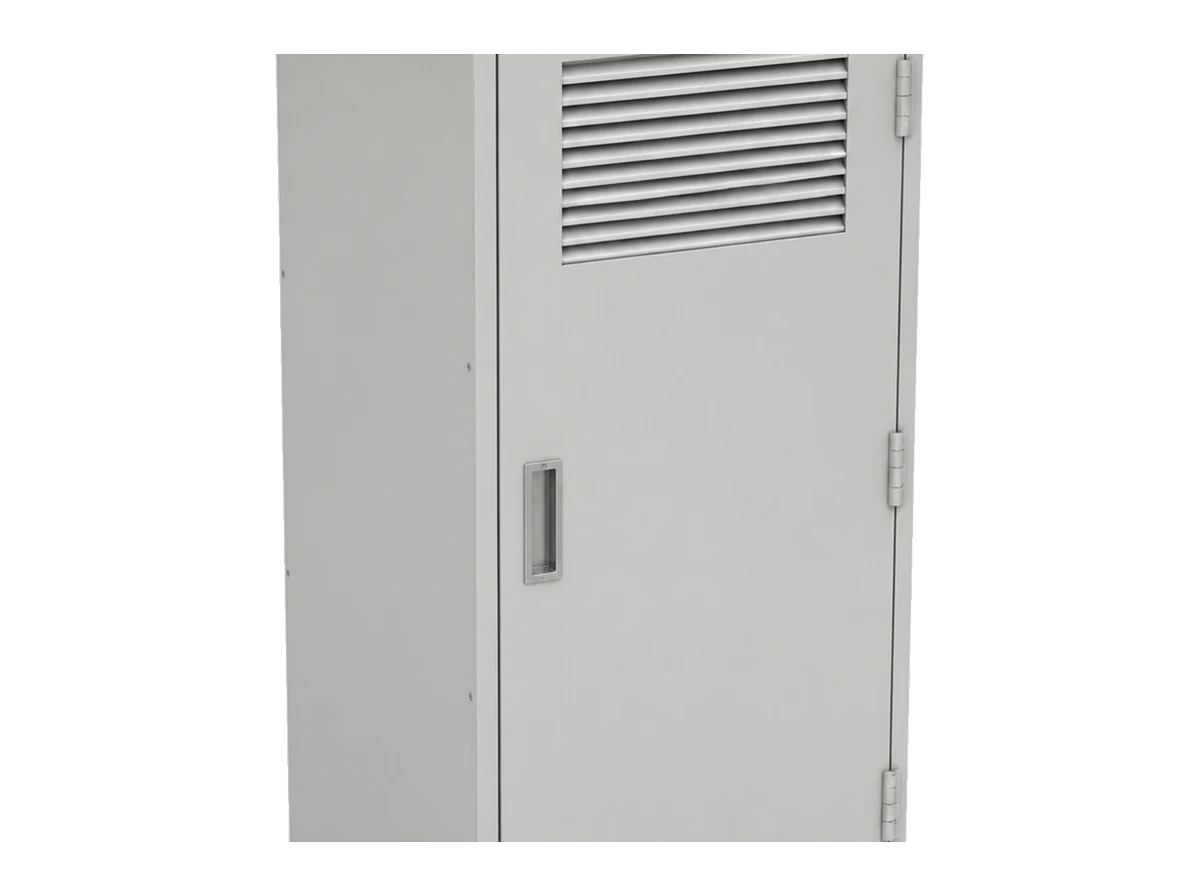
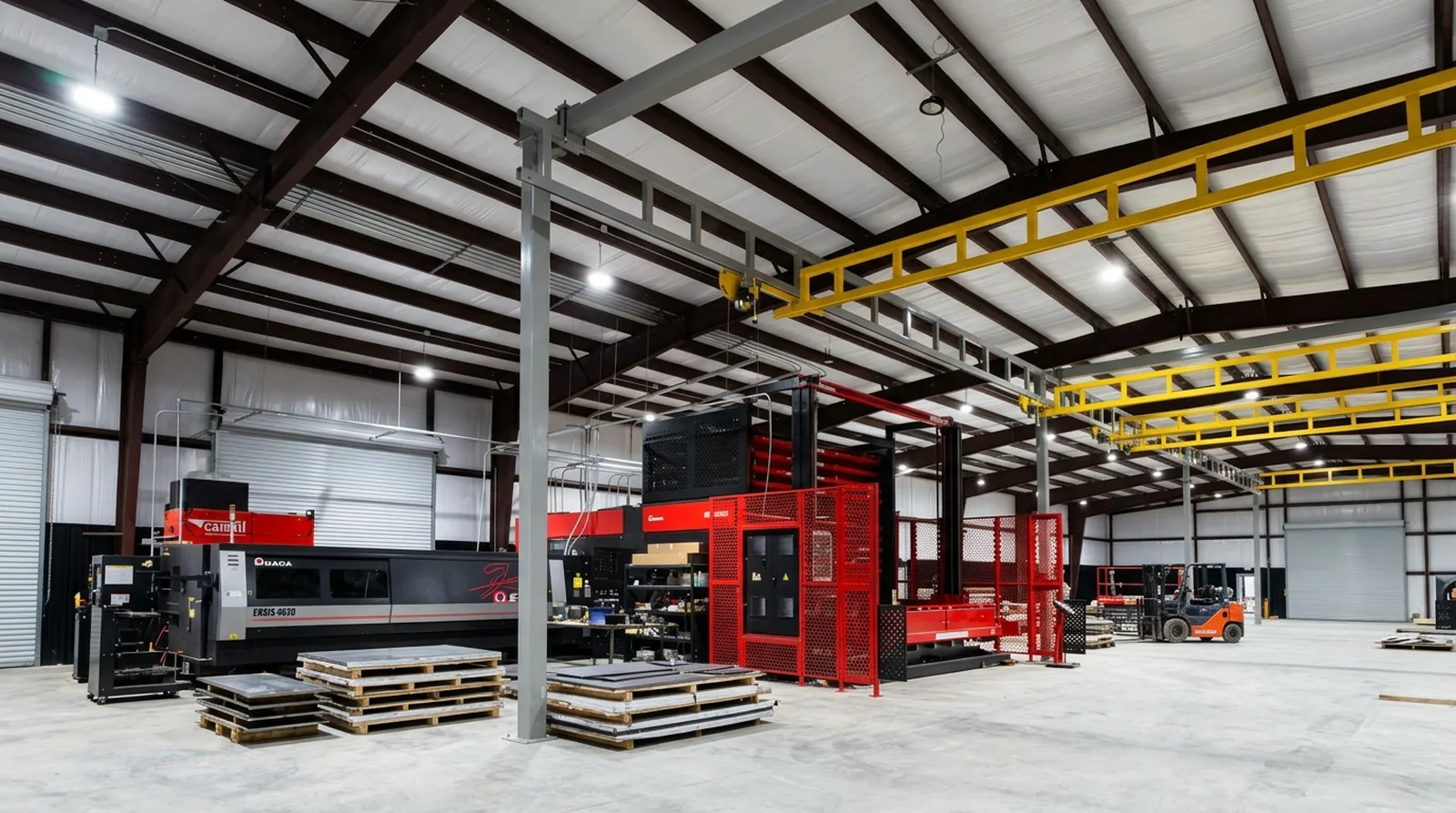
An MCC section kit is the sheet metal for one vertical section: side sheets and corner posts or a formed frame, top and bottom plates, the vertical and horizontal wireway covers, unit door blanks in the OEM’s space-factor sizes, unit shelves or pan supports, bus compartment barriers and covers, and the hardware bag — hinges, latches, captive screws, gaskets. A switchboard kit is similar with breaker-cell barriers and instrument doors in place of unit doors. Kits are built in families: a 20-inch-wide, 90-inch-tall section is one part family, and the OEM’s catalog defines which parts vary by option. FabTek runs these programs on the lines described under switchgear panels and production.
- Structure — formed side sheets, corner posts, top and bottom plates, lifting angles.
- Wireways — vertical and horizontal wireway covers and dividers.
- Unit doors — door blanks by space factor, with handle and pilot-device cutouts if the OEM wants them pre-cut.
- Barriers and covers — bus compartment barriers, back covers, bottom plates with conduit knockouts.
- Hardware — bagged and labeled per the OEM’s BOM.
Repeatability is the product
An OEM assembling MCC units into a section expects every unit to drop into every section the same way, which means the unit mounting holes, shelf positions and door hinge locations have to be identical kit to kit, year to year. That is a process requirement more than a tolerance on a drawing: programmed laser nests that never change, press-brake programs with recorded backgauge settings, go/no-go gauges at the brake, and a first-piece check at every setup. Finish repeatability matters too — door and section colors must match across kits from different weeks, so the powder line runs the OEM’s color from a controlled powder lot. The buyer’s question is not “can you hold ±0.03” but “what controls do you have so you hold it every time.”
UL 845, UL 891 and the OEM’s listing
MCCs are listed to UL 845 and switchboards to UL 891 by the OEM, and the listing covers the construction: material, thickness, barrier arrangements, ventilation openings, grounding. The fabricator does not hold the listing and does not change the construction; it builds the evaluated design. Practically, that means the OEM’s print is frozen except through the OEM’s own revision process, and any supplier-proposed change — a different gauge, a cheaper hinge — goes through the OEM’s engineering before it touches a kit. We describe the division of responsibility in UL 508A panel shops vs. enclosure fabricators.
How releases work
Kit programs run on a forecast and a release mechanism. The OEM gives an annual forecast by part family, the fabricator stages material and powder, and releases arrive as a weekly or kanban signal against the forecast. Lead time on a released kit is then days, not weeks, because the material is on the floor and the programs are on the machines. Finished kits ship on returnable racks or pallets labeled to the OEM’s section number so the line pulls them in sequence. The mechanics of reserved capacity are explained in lead times and capacity and running an OEM–fabricator program.
Adding a second source
Many OEMs run two kit fabricators so a fire, a weather event or a surge at one does not stop the line. Qualifying the second source means a first-article kit assembled on the OEM’s line, a finish match against the incumbent’s panels, and a trial run at the expected release cadence. Dual-sourcing enclosures walks through the process. The time to do it is before the incumbent is full.
On a kit program, the fabricator is not selling sheet metal. It is selling the certainty that the line will not wait.
FabTek Industries fabricates kitted sheet metal for motor control center, switchboard and switchgear sections — laser-cut, CNC-formed, hardware installed and powder-coated in-house to the OEM’s color, shipped as section kits against a forecast — on dedicated production lines under an ISO 9001:2015 quality system, from four production sites in Hazlehurst, Mississippi. See how we work with electrical OEMs, or send us a part family.
Working on something like this? Send a print or a scope — pricing and lead time within one business day, from four Mississippi plants.
Frequently asked questions
What is an MCC section kit?
All of the formed and finished sheet metal for one vertical motor control center section — side sheets or frame, top and bottom plates, wireway covers, unit door blanks, shelves, bus barriers, back covers and bagged hardware — packaged so the OEM’s assembly line pulls one kit per section.
Who holds the UL 845 or UL 891 listing on a kitted enclosure?
The OEM. The listing covers the OEM’s evaluated construction, and the contract fabricator builds that construction to the OEM’s frozen print. Supplier-proposed changes go through the OEM’s engineering before they are made.
How do OEMs keep kit lead times short?
With a forecast by part family, material and powder staged at the fabricator, and weekly or kanban releases against the forecast. Released kits then ship in days because nothing is ordered after the release.
Can a fabricator be qualified as a second source for MCC sheet metal?
Yes. Qualification typically includes a first-article kit assembled on the OEM’s line, a finish match against the incumbent supplier, and a trial run at the expected release cadence before volume is split.