Switchgear OEMs, panel builders and EPC contractors buy enclosures from contract fabricators for the same reason transformer OEMs buy tanks: the enclosure is a sheet-metal and structural product, the gear inside is the OEM’s product, and the plant that does both well is rare. The quality of the quote you get back depends almost entirely on the RFQ you send. This checklist covers what a fabricator needs to price a switchgear enclosure correctly, and the questions a buyer should ask before awarding a program.
Sourcing switchgear enclosures, panel housings or kitted sheet metal? Call 601.892.5017 or email collin.t@fabtekindustries.com — send a print and a quantity and we’ll quote it.
- A complete RFQ has six parts: drawings, material and gauge, enclosure rating, finish, hardware and accessories, and quantities with a release schedule.
- The biggest source of quote error is an incomplete drawing package — missing hardware callouts, undefined finish, or a rating that is implied rather than stated.
- Ask for the fabricator’s quality system, weld certifications and finish test data before award, not after the first shipment.
- For programs, price the unit, the tooling and the release cadence separately so you can compare fabricators on the same basis.
What a switchgear enclosure fabricator actually supplies
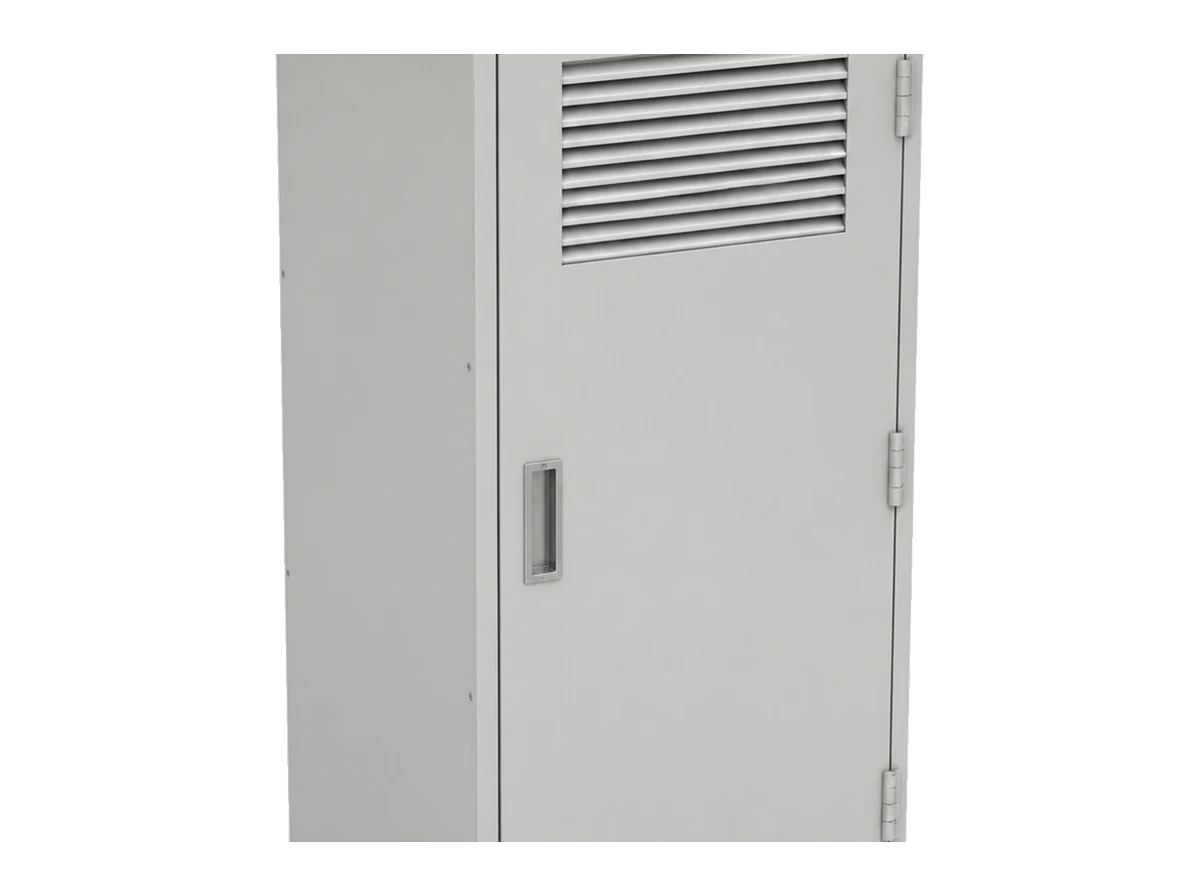
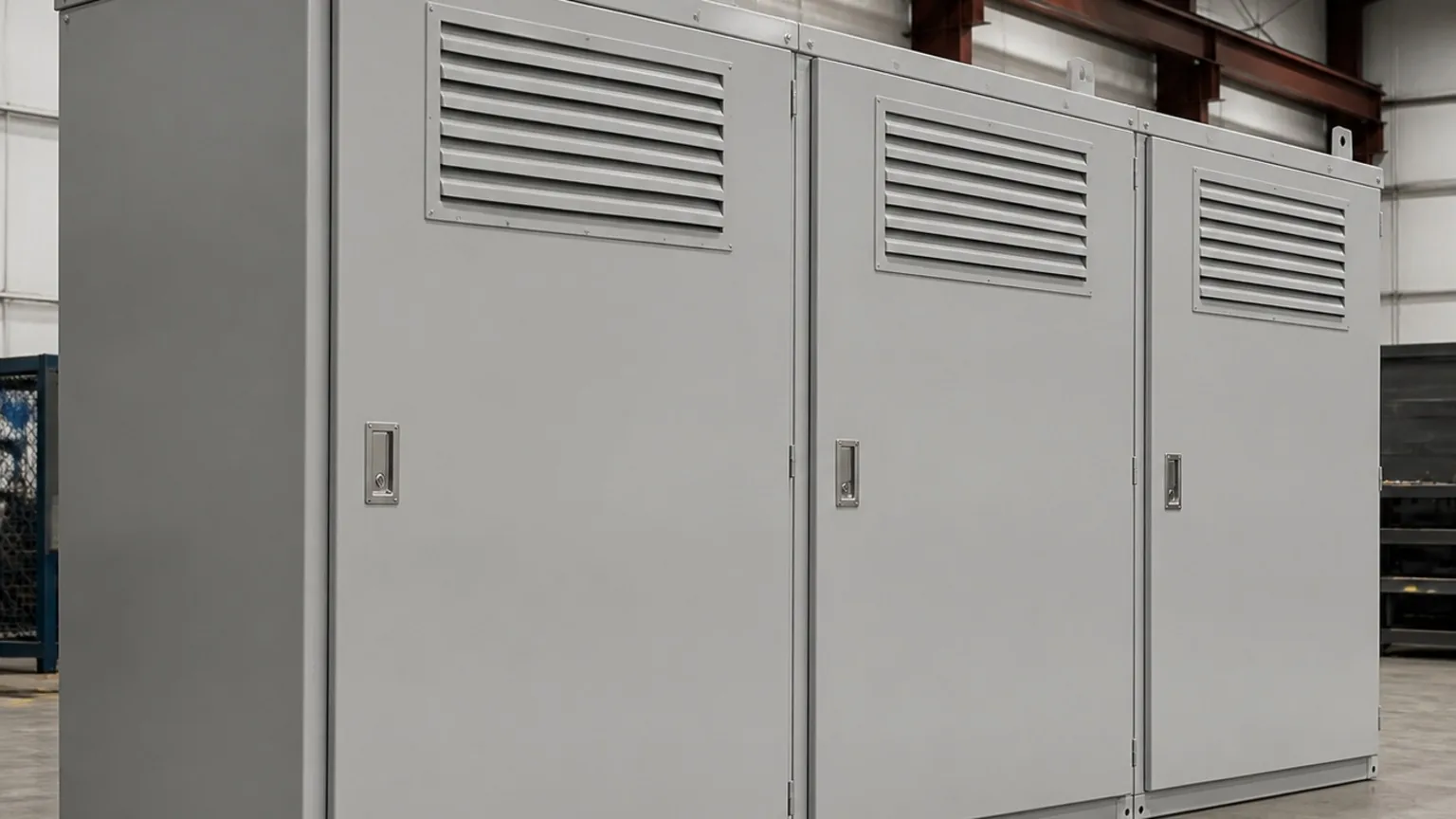
A contract fabricator builds the housing: formed and welded frames, panels, doors, roofs, barriers, bases and sills, with cutouts, mounting provisions and hardware installed, finished and packaged to the OEM’s or EPC’s print. The energized equipment — breakers, bus, relays, instrument transformers — and the listing or type test of the assembly stay with the switchgear manufacturer. Keeping that line clear in the RFQ matters: a fabricator should be asked to build to a print and a rating, not to design the switchgear. FabTek’s switchgear enclosure work runs from single outdoor cabinets to kitted sheet metal for full lineups, and the RFQ structure below is the one that produces the fewest surprises.
The drawing package
Send fabrication drawings, not just an outline. A fabricator needs flat-pattern-ready part drawings or a 3D model it can detail from, a weld map or weld symbol callouts, a hardware bill of materials with manufacturer part numbers, and an assembly drawing that shows what ships as a unit. If the design is still moving, say so and ask for a DFM review on the preliminary set rather than a firm quote.
- Part drawings or model — material, thickness, bend radii, hole patterns and tolerances called out, not implied.
- Weld requirements — continuous versus stitch, ground flush or as-welded, and which code applies (AWS D1.1, D1.3 for sheet, D1.6 for stainless; see which welding code applies).
- Hardware BOM — hinges, latches, gaskets, handles, vent kits, lifting provisions, with part numbers or an approved-equal list.
- Assembly and packaging — what ships assembled, what ships knocked down, how it is palletized or crated, and how it is marked.
Material, gauge and rating
State the material and nominal thickness for each component class — frames, skins, doors, barriers, bases — and the enclosure type the finished unit must meet. Typical switchgear housings use 11- and 12-gauge carbon steel skins over formed or structural frames, 10- and 7-gauge for door frames and bases, with 304 or 316 stainless or 5052 aluminum where the environment requires it. If the enclosure carries a NEMA 250 or UL 50/50E type rating, write the type number on the drawing and say whether a listed construction is required (see UL 50/50E listed enclosures explained). A rating that lives only in the spec and not on the print is the most common cause of a rejected first article.
Finish and corrosion requirements
Finish is a cost driver and a schedule driver. Specify the system — powder coat over blast or phosphate pretreatment, galvanizing, or bare stainless with passivation — the color (ANSI 61 and ANSI 70 gray are the utility defaults), the film thickness, and the performance test the finish must pass. Outdoor switchgear for utility service is commonly specified to a salt-spray requirement; FabTek’s in-house powder coat carries an IEEE 2000-hour salt-spray rating, and the film thickness spec and what the 2000-hour test means are covered separately. Say whether interior surfaces are coated, whether masking of bus-mounting and ground pads is required, and whether touch-up kits ship with the units.
Quantities, release schedule and tooling
A fabricator prices a one-off enclosure, a 25-unit project and a 400-unit-per-year program three different ways. Give the annual or project quantity, the expected release size, and the first-delivery date. For a program, ask for the unit price at the expected release cadence, the price of any fixtures or tooling, and the terms under which capacity is reserved. FabTek runs dedicated production lines for enclosure programs and quotes reserved monthly capacity against a forecast; how that works is explained in lead times and capacity.
Questions to ask before award
- Quality system — is the plant ISO 9001 certified, and can it show the inspection plan it will use for this part?
- Welding — are welders certified to the applicable AWS code, and will weld maps and inspection records ship with the job?
- Finish data — can the fabricator show salt-spray and film-thickness results for its own line, not a vendor datasheet?
- Documentation — will MTRs, certificates of conformance and first-article reports be included? See material certs and traceability.
- Capacity — what share of the plant’s enclosure capacity will this program take, and what happens to the schedule when another customer surges?
- Revisions — how are drawing revisions priced and re-dated after release?
The RFQ that gets the most accurate quote is the one that reads like a build package. If the fabricator has to guess at the finish, the hardware or the rating, the quote will be wrong in one direction or the other.
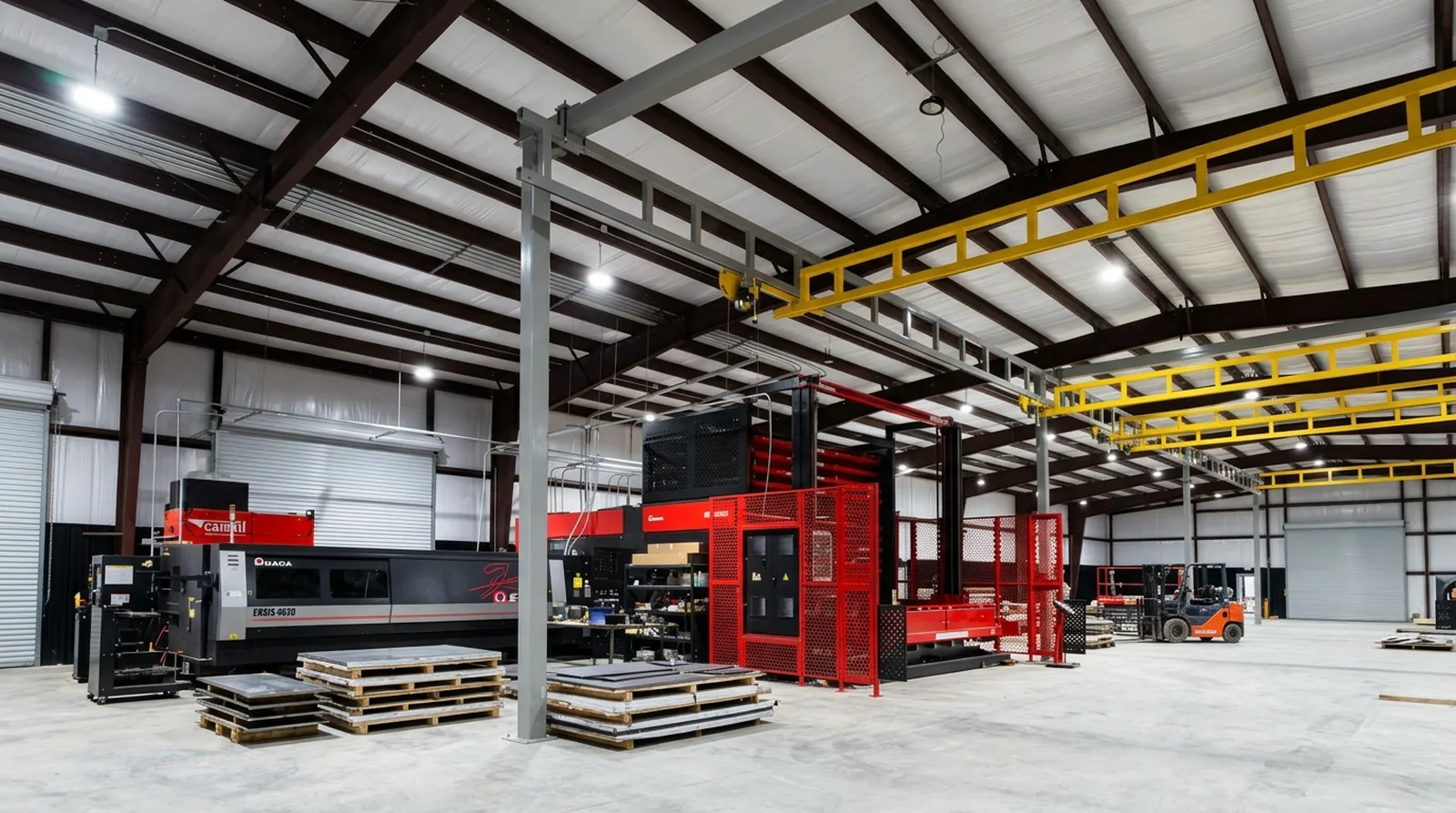
FabTek Industries fabricates switchgear enclosures, kitted switchgear panels and control cabinets to print for switchgear and electrical OEMs, panel builders, utilities and EPC contractors — laser-cut, CNC-formed, welded to qualified procedures, hardware installed and powder-coated in-house — under an ISO 9001:2015 quality system with AWS-certified welding, from four production sites in Hazlehurst, Mississippi. See how we work with switchgear OEMs, or send us a print.
Working on something like this? Send a print or a scope — pricing and lead time within one business day, from four Mississippi plants.
Frequently asked questions
What should be included in an RFQ for switchgear enclosures?
Fabrication drawings or a 3D model, material and gauge by component, the NEMA or UL enclosure type, the finish system and color, a hardware bill of materials, quantities with a release schedule, and the test and documentation requirements. The more complete the package, the more accurate the quote.
Does a contract fabricator supply the switchgear or just the enclosure?
The enclosure. A contract fabricator builds the housing, doors, barriers, bases and hardware to the OEM’s print. The breakers, bus, relays and the assembly’s listing or type test remain with the switchgear manufacturer.
How do fabricators price switchgear enclosure programs?
By unit price at an expected release cadence, plus any fixtures or tooling, with capacity reserved against a forecast. One-off units and small projects are priced on shop hours and material. Asking for all three separately makes quotes comparable.
What certifications should a switchgear enclosure fabricator have?
An ISO 9001 quality system, welders certified to the applicable AWS code (D1.1, D1.3 or D1.6), and documented finish performance such as salt-spray results from its own line. UL 50/50E listing matters when the specification requires a listed enclosure construction.