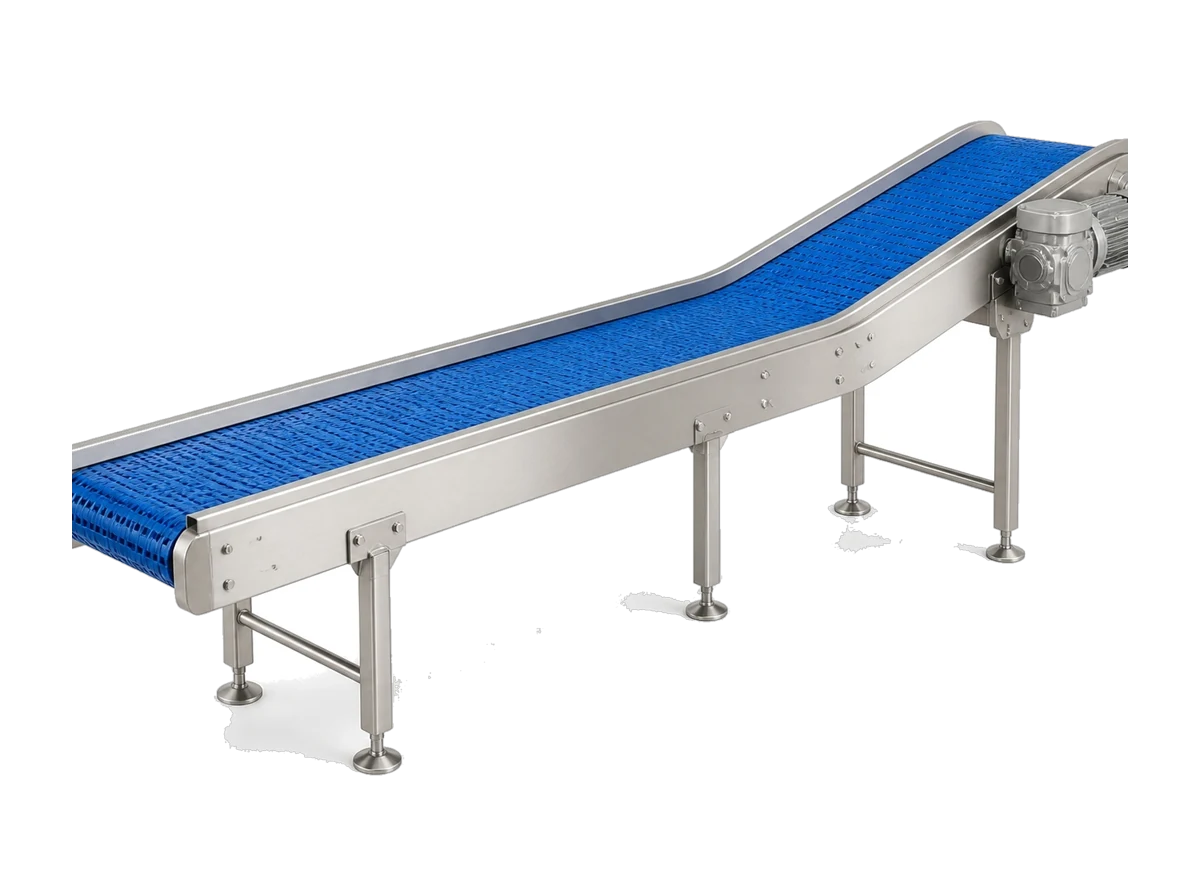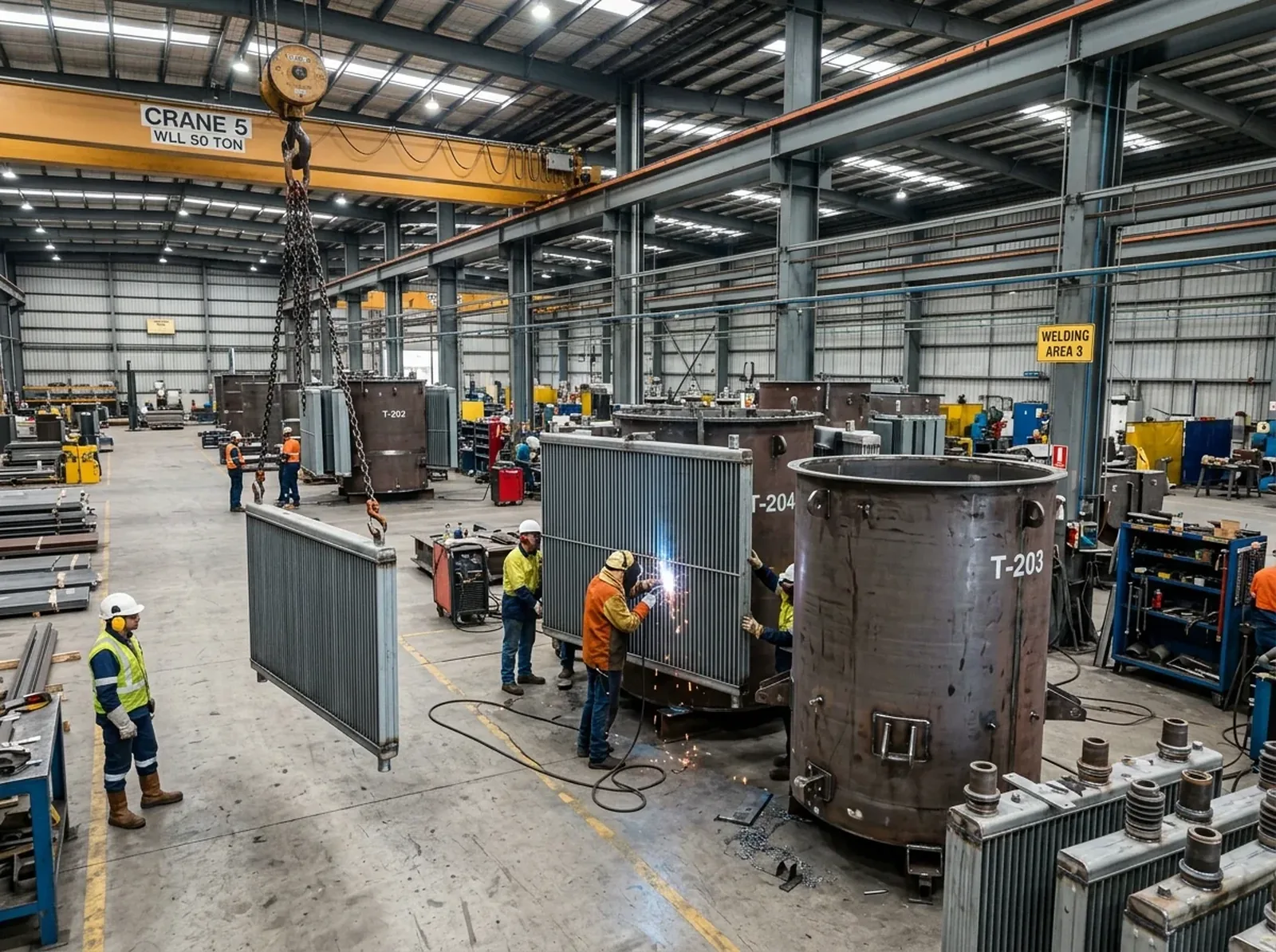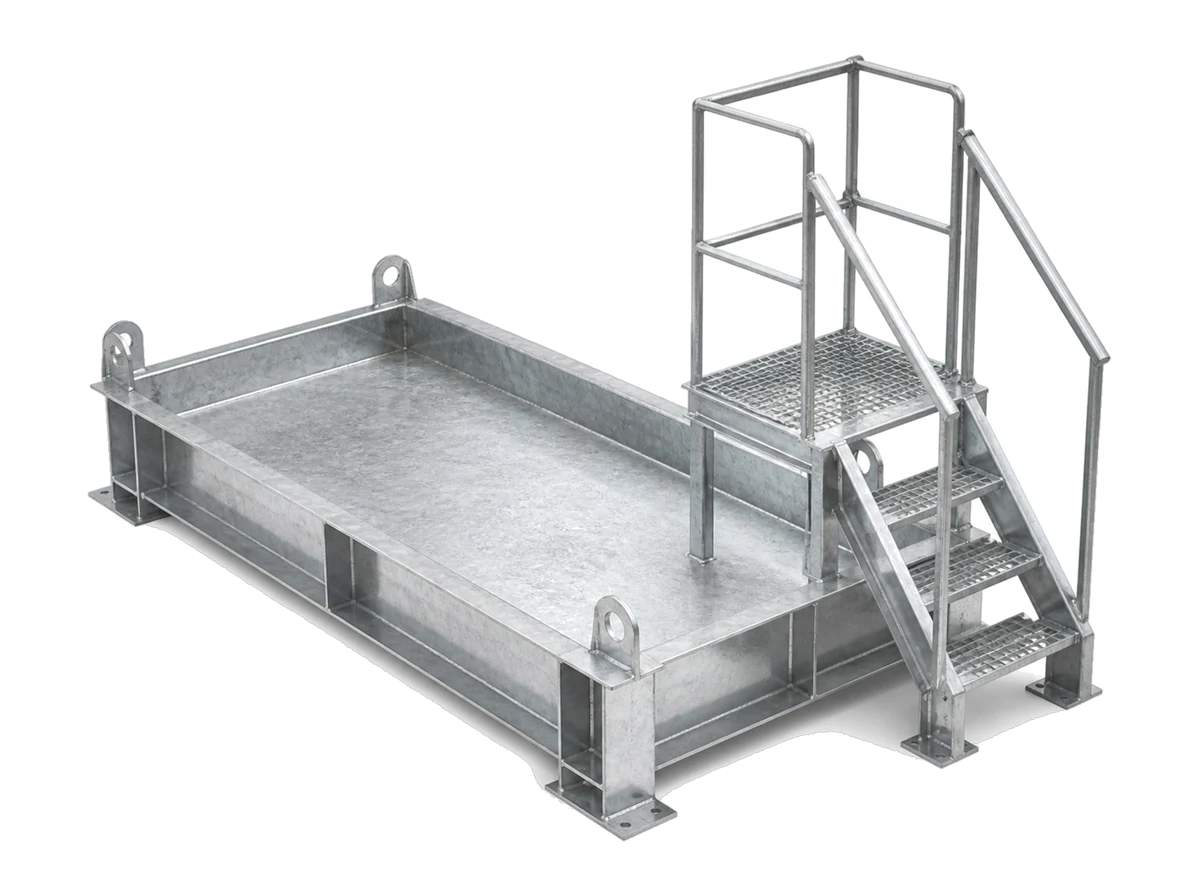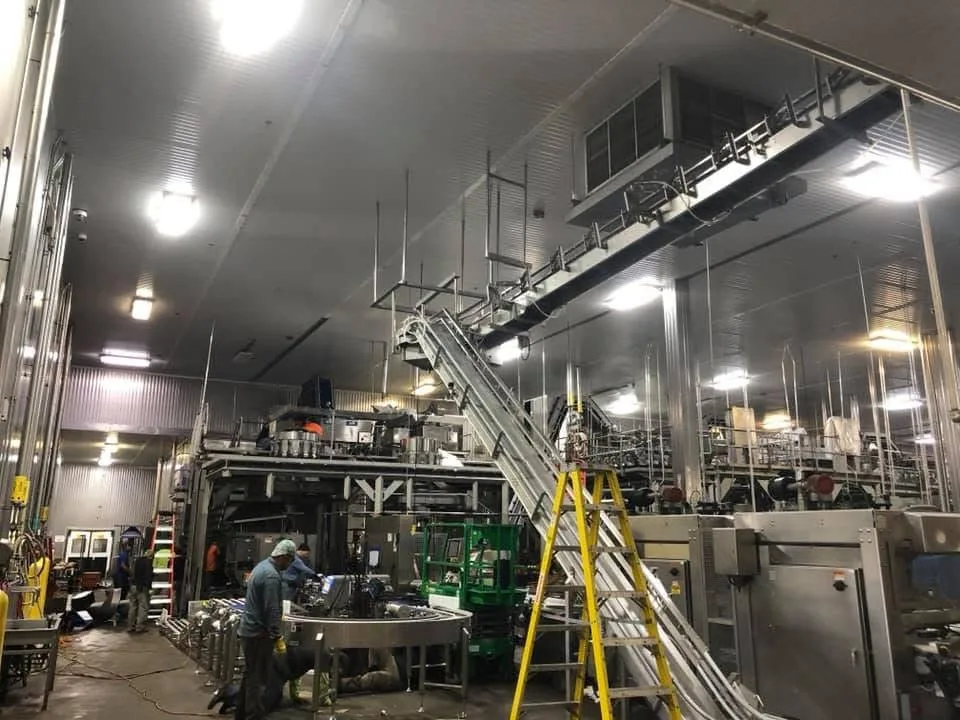
The conveyor is only as good as its installation. Misalignment, inadequate supports, poor transfer design and rushed commissioning cause more early failures than the equipment itself. Yet installation is the part of the job most conveyor manufacturers hand to a third party. FabTek installs with its own crews, nationwide, and this is what that process looks like from the first site visit to the first full shift.
Need a conveyor installed, relocated or commissioned? Call 601.892.5017 or email sales@fabtekindustries.com — our crews travel, and they work around production.
- Six steps: site survey, engineering conveyor and structure together, fabrication and finish, rigging and setting, mechanical and electrical fit-up, commissioning and handover.
- Supports, platforms, guards and chutes are designed with the conveyor, not improvised on site.
- Components ship pre-assembled and in installation order so field work is bolting and aligning, not fabricating.
- Work is sequenced around production — nights, weekends and shutdown windows — and the crew that installed it answers the phone afterward.
- Conveying Hard, Heavy Powders
- Bulk Conveying Over Distance & Height
- Material Handling for Federal & Defense Facilities
- Custom vs. Catalog Conveyors
- Reshoring: The Factory Comes to Life at Fit-Out
- Section 232 Tariffs & Built in the U.S.A. Conveyors
- Conveyor Installation: Drawing to First Run (you are here)
- Retrofit, Rebuild or Replace
- Sanitary & Washdown Conveyors for Poultry, Meat & Food
- How to Get a Conveyor Quote From FabTek
1. Site survey and layout
Every project starts with a measured survey: floor conditions and levels, column lines, clearances, utilities, existing equipment, access routes for rigging, and the traffic the installation has to work around. The layout is confirmed against the survey before anything is fabricated, so the conveyor that arrives fits the building that exists.
2. Engineering the conveyor and the structure together
Our engineers detail the conveyor, its drives and its support structure in one model. Supports, platforms, stairs, guards, catwalks and transfer chutes are designed with the conveyor rather than improvised on site. Anchor layouts, loads and clearances are documented so the general contractor and other trades can plan around them.
3. Fabrication and finish
Frames, troughs, housings, legs, platforms and guards are cut, formed and welded in our Mississippi facilities, finished in powder coat or the specified coating, and pre-assembled where practical so field work is bolting and aligning rather than fabricating. Components ship in the order they will be installed.
4. Rigging and setting
Crews set supports to surveyed elevations, rig conveyor sections into place, and bolt and align them. Long runs are strung and leveled end to end so belts track and chains run true. Elevators and towers are plumbed and braced. Work is sequenced to keep the plant running around it wherever possible, including nights and shutdown windows.
5. Mechanical and electrical fit-up
Drives, gearboxes, bearings, take-ups, belting or chain, and safety devices are installed and tensioned. Motors are wired and controls connected in coordination with the electrical contractor or our controls partner. Guarding, emergency stops and pull cords are installed to the applicable standards.
6. Commissioning and handover
Each conveyor is run empty, then under load, and tracking, speed, transfer points and interlocks are tuned. Operators and maintenance staff are walked through the system, and documentation, spare parts lists and maintenance schedules are handed over. The same crew that installed it is the crew that answers the phone afterward — see Part 8 on what that service looks like over the life of the line.
Why one company for all of it
When the manufacturer, the fabricator of the structure and the installer are the same company, there is no gap for a problem to fall into. Field changes are made by the people who designed the system. Schedules are controlled by one shop. And the company that commissioned the line is accountable for how it runs, which is why FabTek also offers maintenance, repair, rebuild and replacement for every system it installs through its industrial services group. We wrote about the broader field-crew shortage in The Field Crew Labor Bottleneck.
Frequently asked questions
Do you install the conveyors you build?
Yes. FabTek installs with its own crews across the country, and also installs and relocates conveyor systems built by others.
How long does a conveyor installation take?
A few days to a few weeks for modular or single-line systems; several weeks to months for large multi-conveyor systems with structure, depending on scope and plant access.
Can you install around production?
Yes. Installations are sequenced around production schedules, including nights, weekends and planned shutdowns.