The industry has spent three years managing equipment lead times. The next bottleneck is already visible on site schedules: the crews who install the equipment once it finally arrives.
- ABC estimates construction needs roughly half a million additional workers in 2026 beyond normal hiring; 92% of firms report difficulty hiring.
- BLS projects ~81,000 electrician openings annually through 2034; McKinsey adds 130,000 needed by 2030 for AI infrastructure alone.
- Field service technicians now average 66 days to fill — installation labor is an allocated resource, like mill capacity and transformer slots.
- The highest-leverage adaptation: move field hours into the shop via bench-tested, pre-wired assemblies.
Sourcing for an active project? Call 601.892.5017 or email collin.t@fabtekindustries.com — send a drawing or a scope and we’ll respond fast.
The skilled trades shortage, by the numbers
Associated Builders and Contractors estimates the construction industry needs roughly half a million additional workers in 2026 beyond normal hiring, and 92% of construction firms report difficulty finding qualified people. The Bureau of Labor Statistics projects about 81,000 electrician openings every year through 2034, while McKinsey estimates the country needs 130,000 additional trained electricians by 2030 just to keep pace with AI infrastructure — and roughly one in five current electricians is over 55. On the industrial side, field service technicians now average 66 days to fill, among the longest of any skilled role.
How the field labor gap lands on power projects
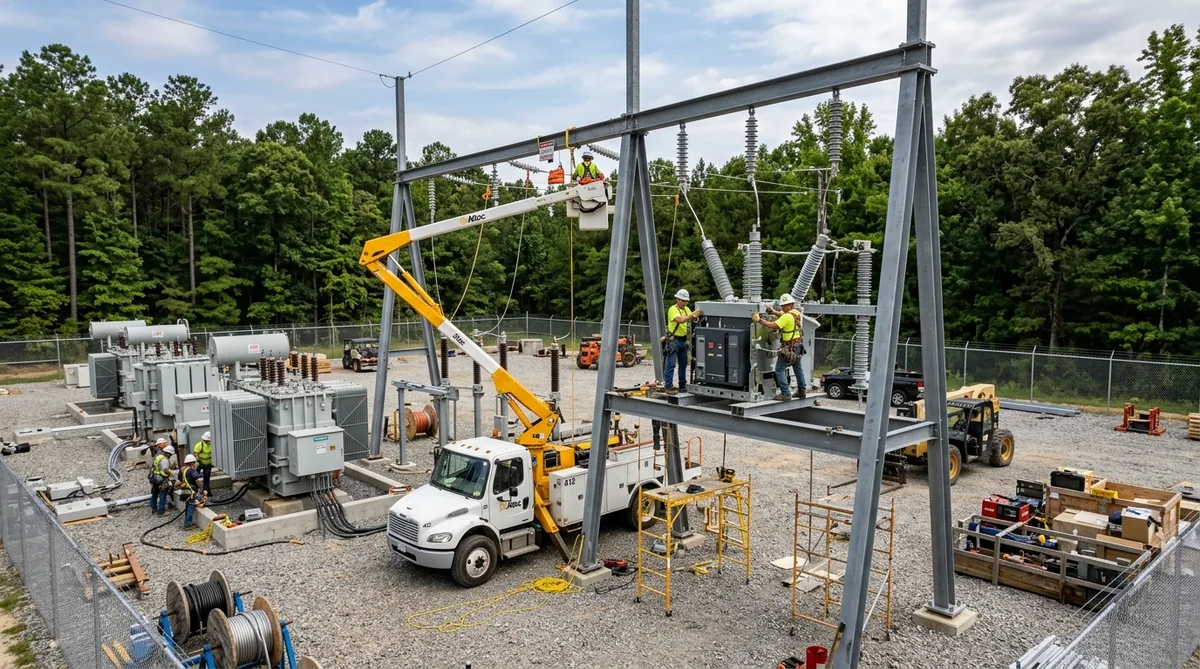
A substation's steel and cabinets can ship on schedule; a transformer can finally clear its two-year queue — and then the whole sequence waits on a crew window. Installation labor has quietly become a scheduled, allocated resource, exactly like mill tons and transformer slots. Projects that treat it as an afterthought discover it's the critical path, usually during commissioning season when every other project in the region wants the same crews.
Shop labor can be trained, retained, and scheduled. Travel crews can mostly just be fought over.
The highest-leverage fix: move field hours into the shop
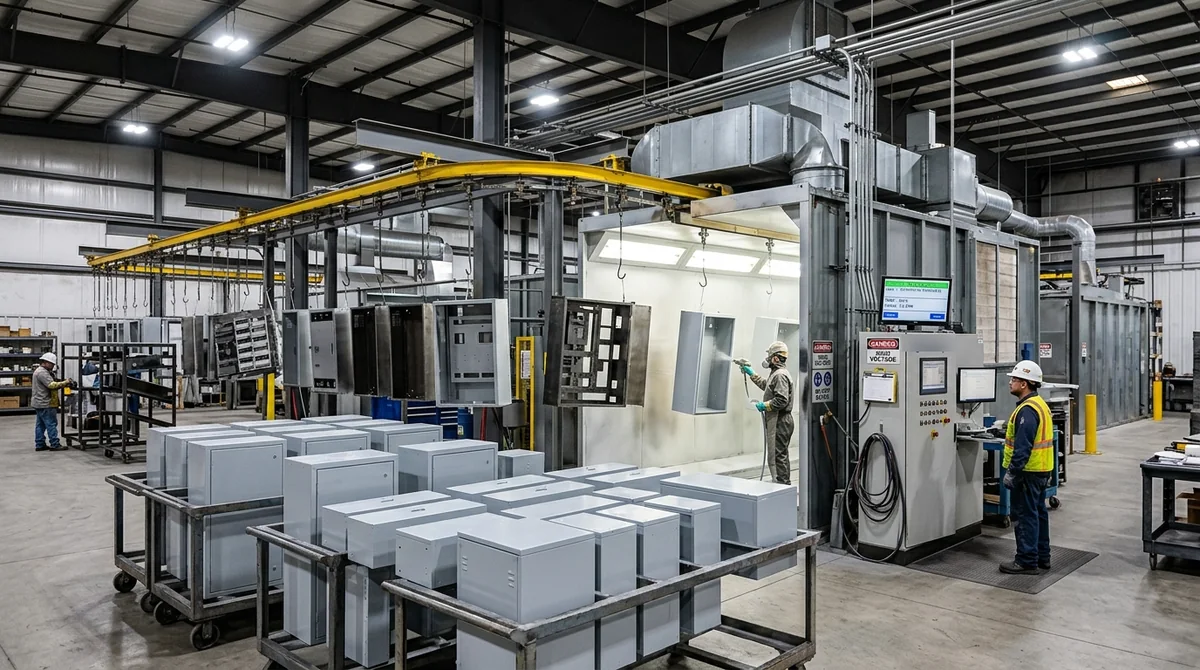
Every hour of work completed at a bench is an hour a scarce field crew doesn't spend on site. Integrated wiring assemblies — cabinet wire-out, harnesses, and sub-assemblies that arrive bench-tested and packaged for field install — directly reduce the site labor a project has to find. It's the highest-leverage adaptation available, because shop labor is easier to train, retain, and schedule than travel crews. FabTek's electrical assembly work exists for exactly this reason.
Contract field installation with the fabrication
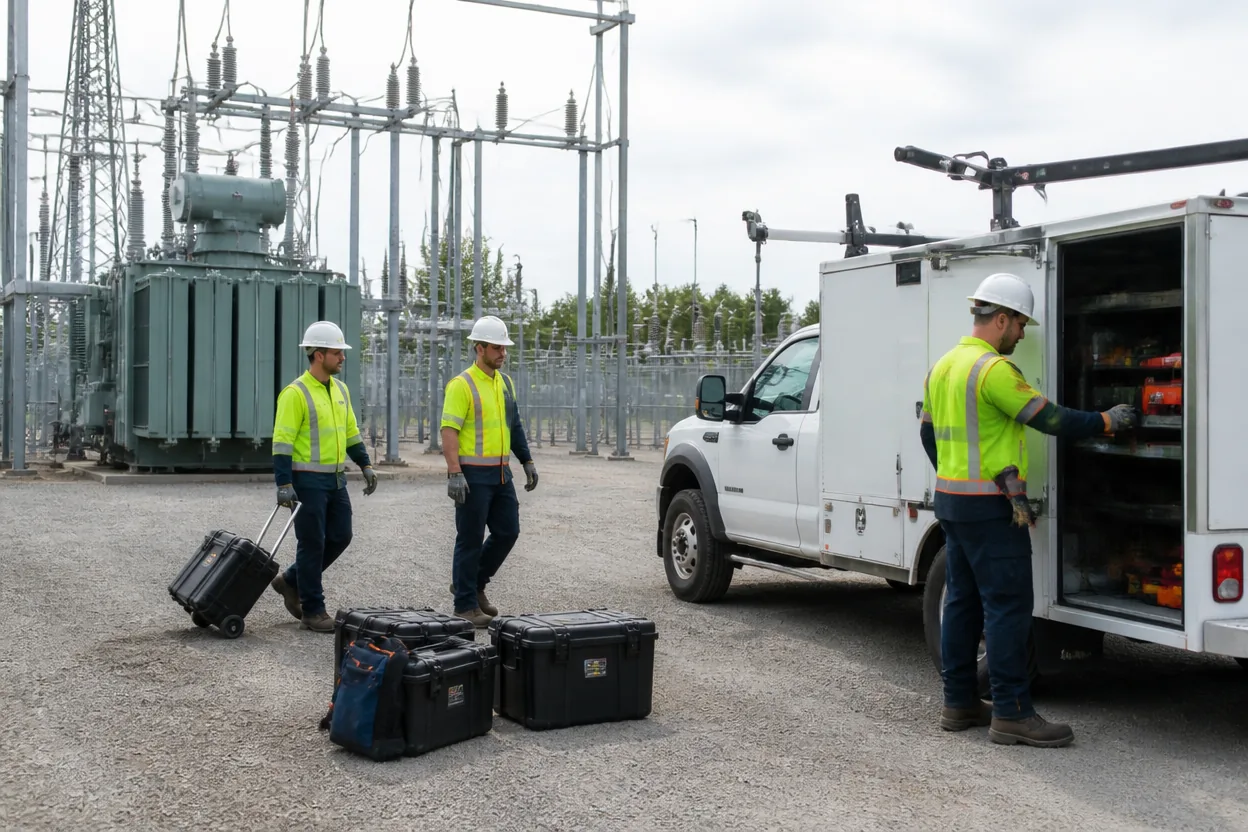
Suppliers that build the equipment and field-install it collapse a coordination seam: no handoff between the shop that made it and the crew that mounts it, one accountable party when something needs modifying on site. And because storm restoration, failed-equipment retrofits, and expansion tie-ins can't wait 66 days for a requisition, partners holding standing travel-install and expedited-response capability are effectively selling schedule insurance — the premise behind FabTek Industrial Services and our surge capacity model.
The trades pipeline will take a decade to rebuild. Until it does, the winning projects will be the ones that need the fewest field hours — and know exactly where the rest are coming from. If that math matters to your schedule, let's talk through the scope.
Frequently asked questions
How short is the construction labor market?
ABC estimates roughly half a million additional workers are needed in 2026 beyond normal hiring, and 92% of construction firms report difficulty finding qualified people.
Why are electricians the tightest trade?
Data centers, grid work, and electrification are stacking demand — about 81,000 openings a year through 2034 per BLS, plus 130,000 additional electricians needed by 2030 for AI infrastructure per McKinsey — while one in five current electricians is over 55.
How do pre-wired assemblies reduce field labor?
Cabinet wire-out, harnesses, and sub-assemblies completed and bench-tested in the shop arrive ready to mount and terminate, cutting the on-site hours a project must source from scarce crews.
Does FabTek provide field installation?
Yes — FabTek's Industrial Services division provides on-site travel install and expedited emergency response, backed by the shop capacity to fabricate what the work requires.