Since April 2026, imported articles made mostly of steel or aluminum carry a Section 232 tariff of 50% on their full value, and derivative products substantially made of those metals carry 25%. Rates were revised again in June, and further product additions are under review. For anyone buying conveyors, racks, platforms or structural steel, the practical question is simple: what does an imported system really cost once it lands, and what changes when the frames, troughs and supports are fabricated here?
Comparing an imported quote to a domestic one? Call 601.892.5017 or email sales@fabtekindustries.com — ask for landed cost, not FOB.
- As of April 6, 2026: 50% on steel and aluminum articles, 25% on derivative products, on full value, no stacking; revised June 1, 2026 and subject to further change.
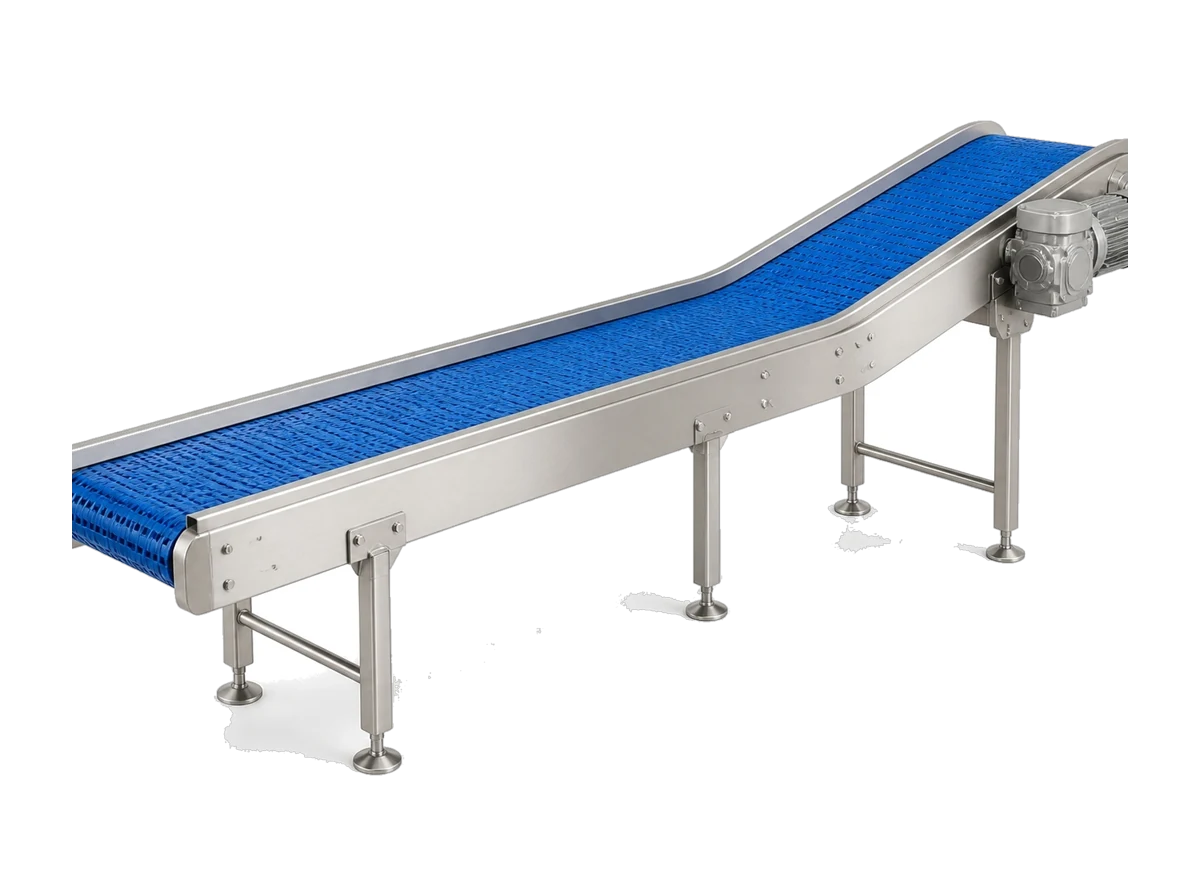
- A conveyor is mostly steel — frames, troughs, housings, legs, guards, supports, platforms — so the tariff falls on most of the system's weight and value.
- Domestic fabrication pays more for raw steel, but that cost is on material only, not on finished value, and it is the same for every U.S. shop.
- The hidden cost of importing is time: frozen designs, ocean freight and no way to absorb the layout changes every real project has.
- Conveying Hard, Heavy Powders
- Bulk Conveying Over Distance & Height
- Material Handling for Federal & Defense Facilities
- Custom vs. Catalog Conveyors
- Reshoring: The Factory Comes to Life at Fit-Out
- Section 232 Tariffs & Built in the U.S.A. Conveyors (you are here)
- Conveyor Installation: Drawing to First Run
- Retrofit, Rebuild or Replace
- Sanitary & Washdown Conveyors for Poultry, Meat & Food
- How to Get a Conveyor Quote From FabTek
Tariff rates as of October 13, 2026, from public Section 232 proclamations and trade-counsel summaries. Rates have changed several times in 2026; confirm current treatment with a customs broker before relying on any figure here.
What the tariff covers
A conveyor is mostly steel: frames, troughs, housings, legs, guards, supports and platforms. Depending on classification, an imported conveyor or its structural components can fall under the 50% rate for steel articles or the 25% derivative rate, applied to the full value, not just the metal content. Imported rollers, chain, motors and controls are classified separately and may carry their own duties. Country-specific rules add complexity: qualifying USMCA content from Canada and Mexico is treated differently, and goods made abroad from U.S.-melted steel get a reduced rate if documented. Ask your supplier for a landed-cost breakdown rather than an FOB price.
What changes when the structure is domestic
Fabricating conveyors and their support structure in the U.S. removes the tariff on the largest and heaviest part of the system: the steel. Domestic fabricators still pay more for raw steel than they did before the tariffs, but that cost is on the material only, not on finished value, and it is the same for every domestic shop. The tariff effect on finished goods falls on the importer. Add ocean freight, port handling, longer lead times and the difficulty of modifying an imported system once it arrives, and the gap widens.
Lead time and change orders
Tariffs are the visible cost. The hidden one is time. An imported system is specified months ahead, built to a frozen design, and cannot absorb the layout changes that happen on every real project. A domestic fabricator can revise a support, add a platform or change a transfer height while the job is in the shop. On a fit-out schedule — see Part 5 — that flexibility is often worth more than the duty. We covered the same logic for the power sector in Domestic Fabrication and Supply Chain Risk.
What Built in the U.S.A. means at FabTek
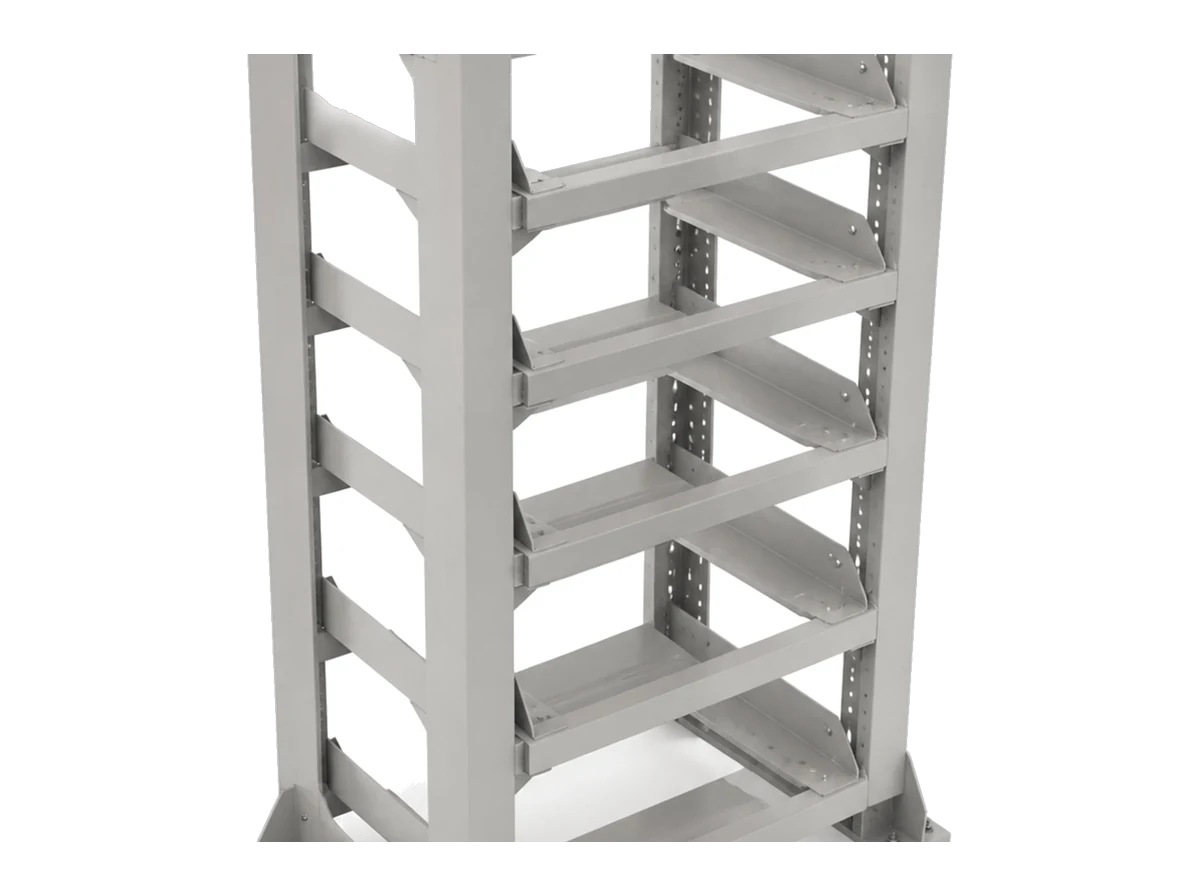
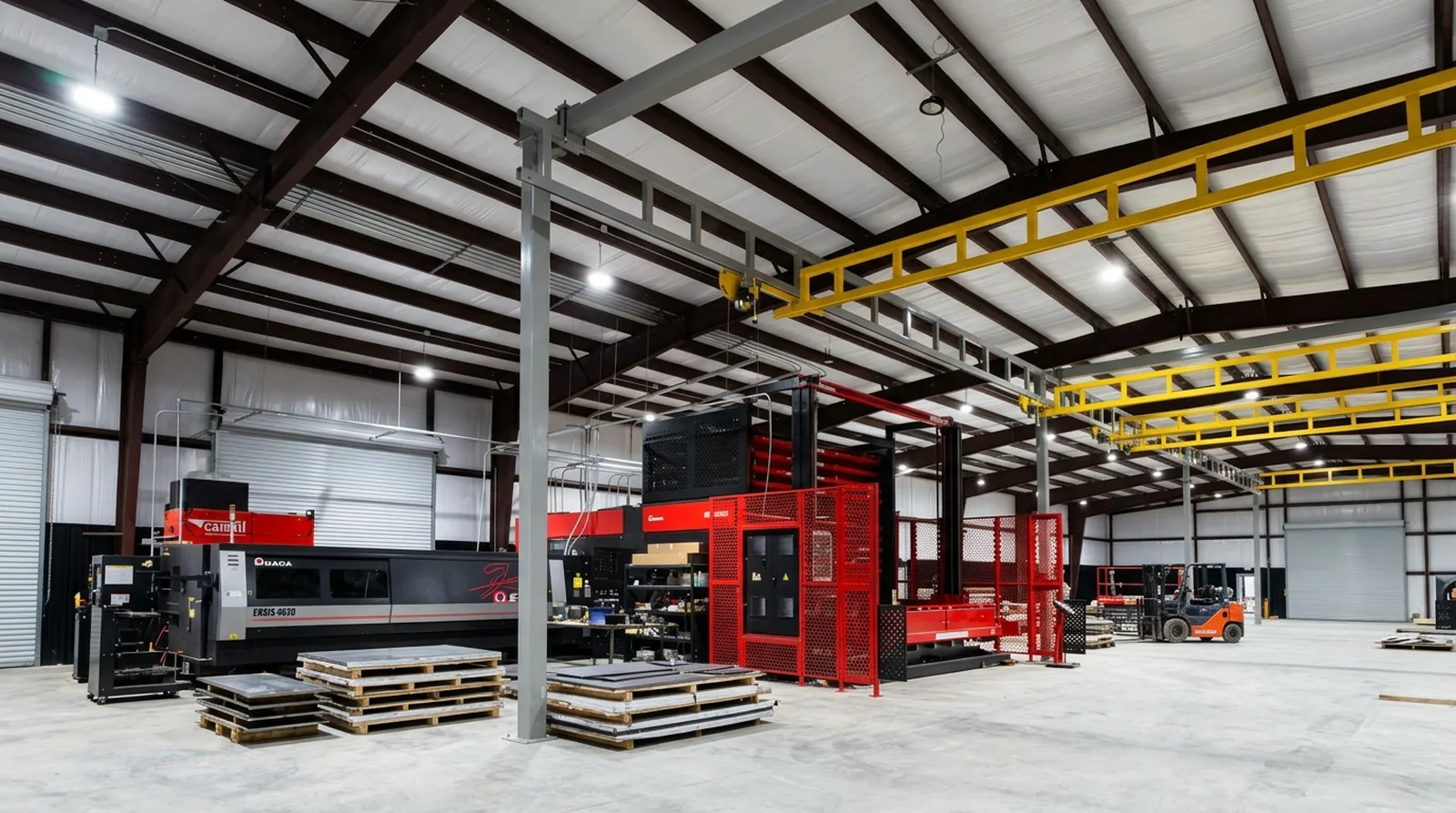
FabTek conveyors, bulk handling equipment, racks, enclosures and structural steel are engineered, cut, formed, welded and finished in our Mississippi facilities and installed by our own crews. Country of origin is stated on every quote. Where a component such as a motor, gearbox or specialty belt is sourced from a manufacturer elsewhere, we say so.
Frequently asked questions
Are conveyors subject to Section 232 tariffs?
Imported conveyors and their steel components can fall under the 2026 Section 232 rates for steel articles (50%) or derivative products (25%), depending on classification and origin. Confirm current treatment with a customs broker; rules have changed several times in 2026.
Does buying a domestic conveyor avoid tariffs entirely?
It avoids tariffs on the fabricated steel, which is most of the system's weight and value. Purchased components such as motors or belting may still carry duties depending on where they are made.
Will tariffs make domestic conveyors more expensive too?
Raw steel costs more for everyone, so domestic prices have risen, but far less than the tariff on finished imported goods, and domestic lead times and change flexibility are unaffected.