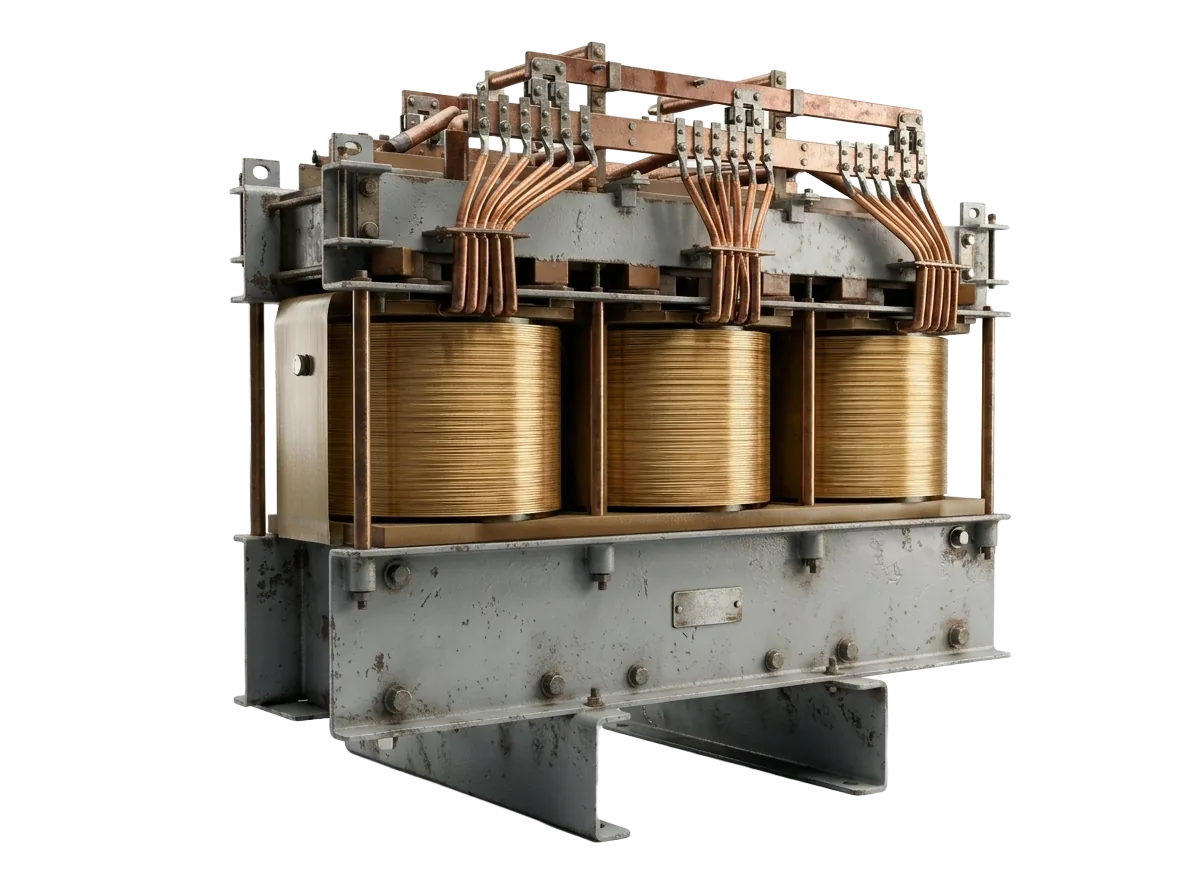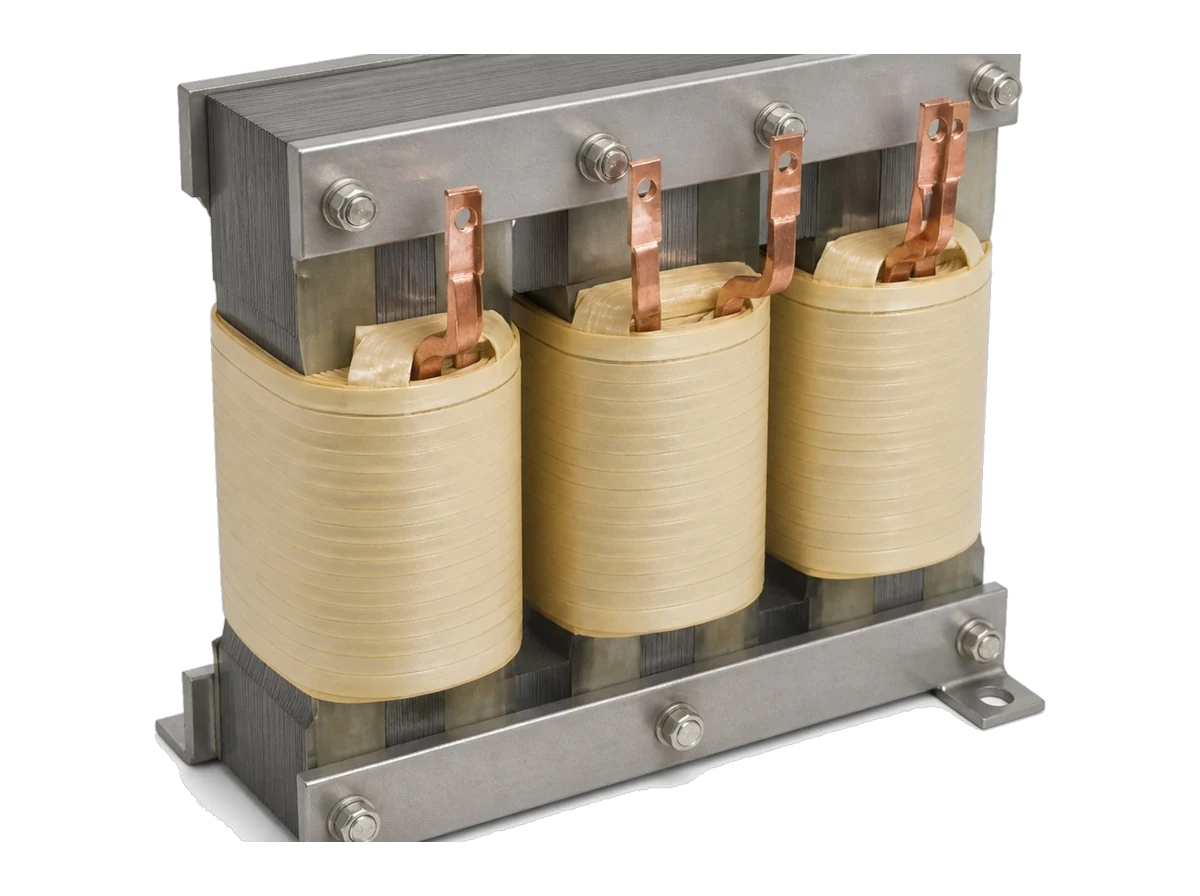
Trace a four-year transformer lead time back far enough and you don't end up at a factory gate. You end up at a winding bench — where the work is done by hand, the skill takes years to build, and the industry stopped producing replacements a generation ago.
- U.S. power transformer lead times average ~128 weeks; GSUs ~144 weeks, with specialty units quoted out four years.
- Roughly $2 billion in new North American transformer capacity is announced — most of it landing 2027–2028.
- The U.S. transformer workforce is roughly 15,000 people and would need to roughly triple to meet projected demand.
- OEMs can protect their scarcest winding hours by qualifying contract partners for standard windings and the metal build.
Sourcing for an active project? Call 601.892.5017 or email collin.t@fabtekindustries.com — send a drawing or a scope and we’ll respond fast.
Transformer demand and lead times keep compounding
Demand for generator step-up transformers has grown 274% since 2019, per Wood Mackenzie, with substation power transformers up 116% over the same window. Lead times have followed: standard power transformers now average about 128 weeks, GSUs roughly 144, and specialty units are being quoted as far out as four years. Prices moved in parallel — power transformers up about 77% since 2019, distribution units up 78–95%. We covered how the supply chain got here in How the Transformer Supply Chain Works; what's changed since is that the industry's answer — build more plants — is now visible, and it's still not enough.
The transformer manufacturing workforce is the slow variable
Close to $2 billion in new North American transformer manufacturing capacity has been announced, with most new lines projected online in 2027–2028. Concrete and equipment are the fast part. The U.S. transformer manufacturing workforce is estimated at roughly 15,000 people, and industry analysis puts the headcount needed to meet projected demand at roughly three times that. Meanwhile the existing workforce is aging — the average transformer manufacturing worker is in their mid-50s — and the vocational pipeline that once produced winders, core stackers, and test technicians was largely dismantled when the work went offshore two decades ago.
A new plant adds floor space in about two years. It does not add a single qualified winder on the same schedule.
Why coil winding is the constraint
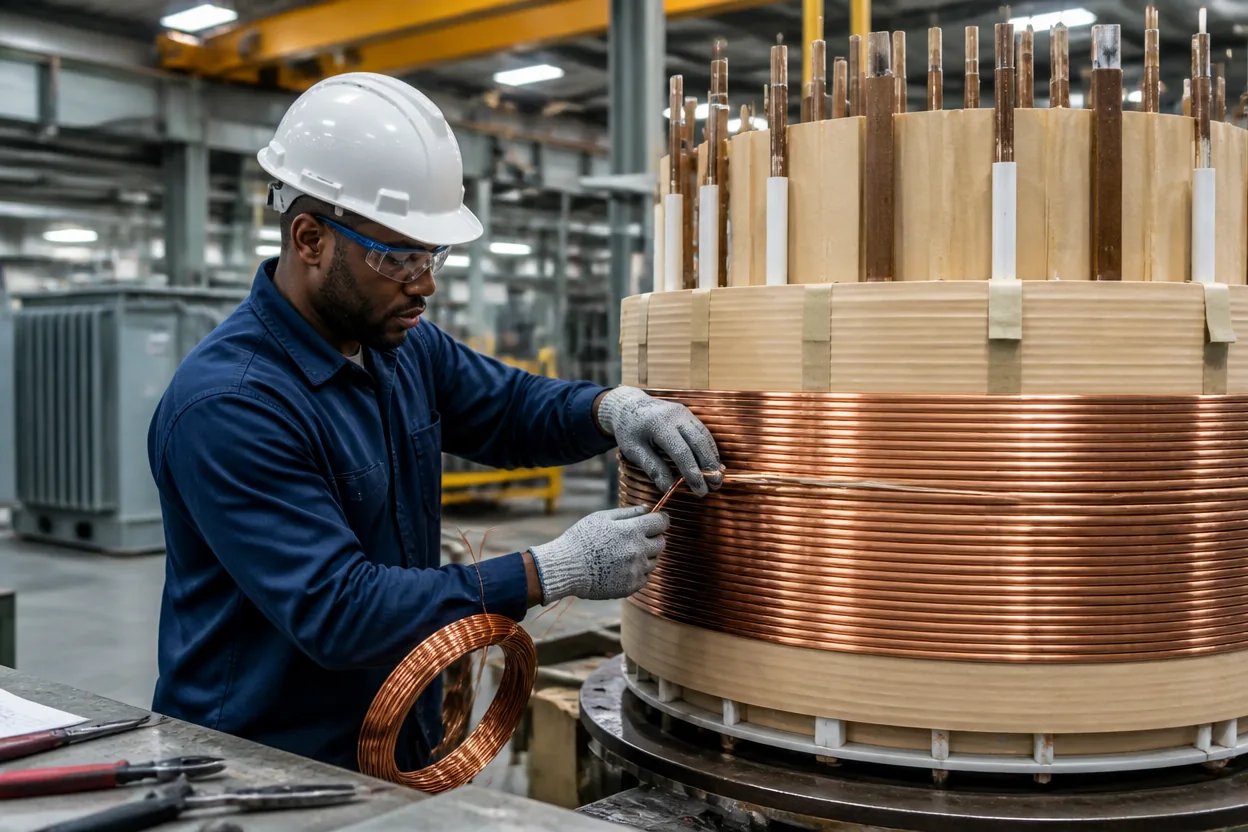
Coil winding resists shortcuts. Tension behavior across a layer, insulation placement, how a finished coil will respond under test — that knowledge is transferred hand-to-hand on a shop floor, much of it never written down. Trade coverage has called the craft "almost an art form," and the training arc runs in years, not quarters. Automation helps at the margins, but transformer designs remain heavily customized, which is precisely what keeps the work manual. The result is an asymmetry the capacity announcements don't resolve: the buildings scale on a capex schedule, while the workforce scales on an apprenticeship schedule.
How transformer OEMs can relieve the winding bottleneck
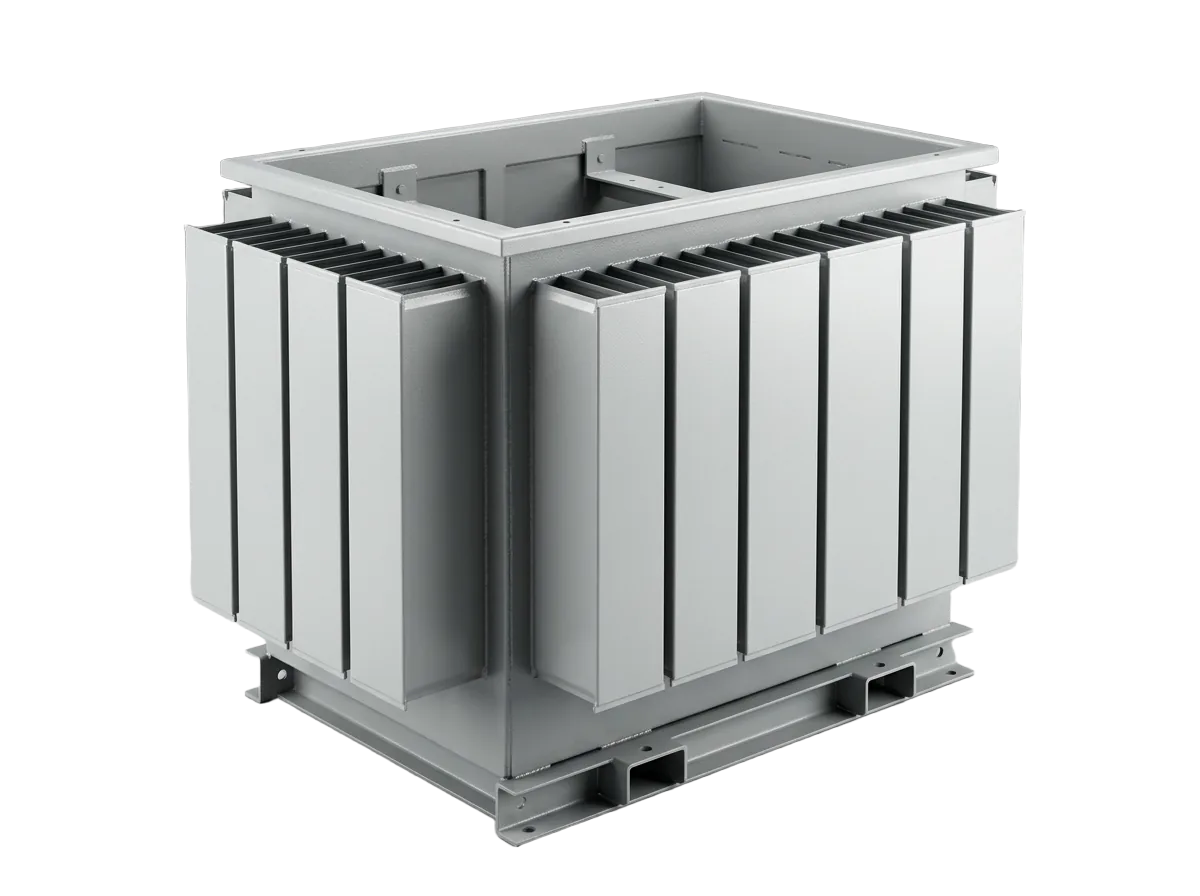
If winding hours are the scarcest resource in the building, the sourcing question becomes: which windings actually need to consume them? Flagship and high-voltage core-and-coil work, almost certainly. Standard designs, repeat windings, and circuit sub-assembly are strong candidates for a qualified contract winding partner — and the metal around the electrical build (tanks, cabinets, enclosures) rarely needs to touch your floor at all.
- Audit which winding programs genuinely require in-house craft versus which consume it by default.
- Qualify contract winding capacity before the constraint bites — under a real quality system, with traceability and agreed test records.
- Move the metal scope — tanks, cabinets, enclosures — off the electrical floor entirely.
- Treat winding labor like any other allocated commodity: forecast it, contract it, and protect it.
FabTek performs transformer coil winding, coil assembly, and circuit sub-assembly under an ISO 9001:2015 quality system — and because we fabricate the tanks and cabinets in the same shop, transformer OEMs get the metal and the electrical from a single U.S. source. We're training winders in Mississippi because we think the craft is coming back onshore — and somebody has to teach it. If winding capacity is what's constraining your delivery dates, let's talk.
Frequently asked questions
Why are transformer lead times so long?
Demand for power transformers has more than doubled since 2019 while domestic capacity and skilled labor lagged. Standard power transformer lead times average about 128 weeks, with specialty units quoted up to four years.
Will the announced transformer plants fix the shortage?
They help, but most new capacity arrives 2027–2028, and staffing it is the harder problem — the U.S. transformer workforce of roughly 15,000 would need to roughly triple to meet projected demand.
What is the hardest transformer manufacturing skill to scale?
Coil winding. It is hands-on, heavily customized work learned over years on a shop floor, and the vocational pipeline that produced winders was dismantled decades ago.
How can OEMs relieve their winding bottleneck?
By reserving in-house winding hours for the work that truly requires them, and qualifying contract partners for standard windings, sub-assembly, and the metal build.