Data centers have become the single most powerful force in U.S. construction — and the fabricated-metal scope behind their power systems is where schedules are increasingly won or lost.
- Year-to-date data center construction starts reached $84.1 billion through July 2026 — nearly three times a year earlier.
- Electrical systems now consume 40–50% of data center construction budgets, and more than half of 2025 projects saw delays of three months or more.
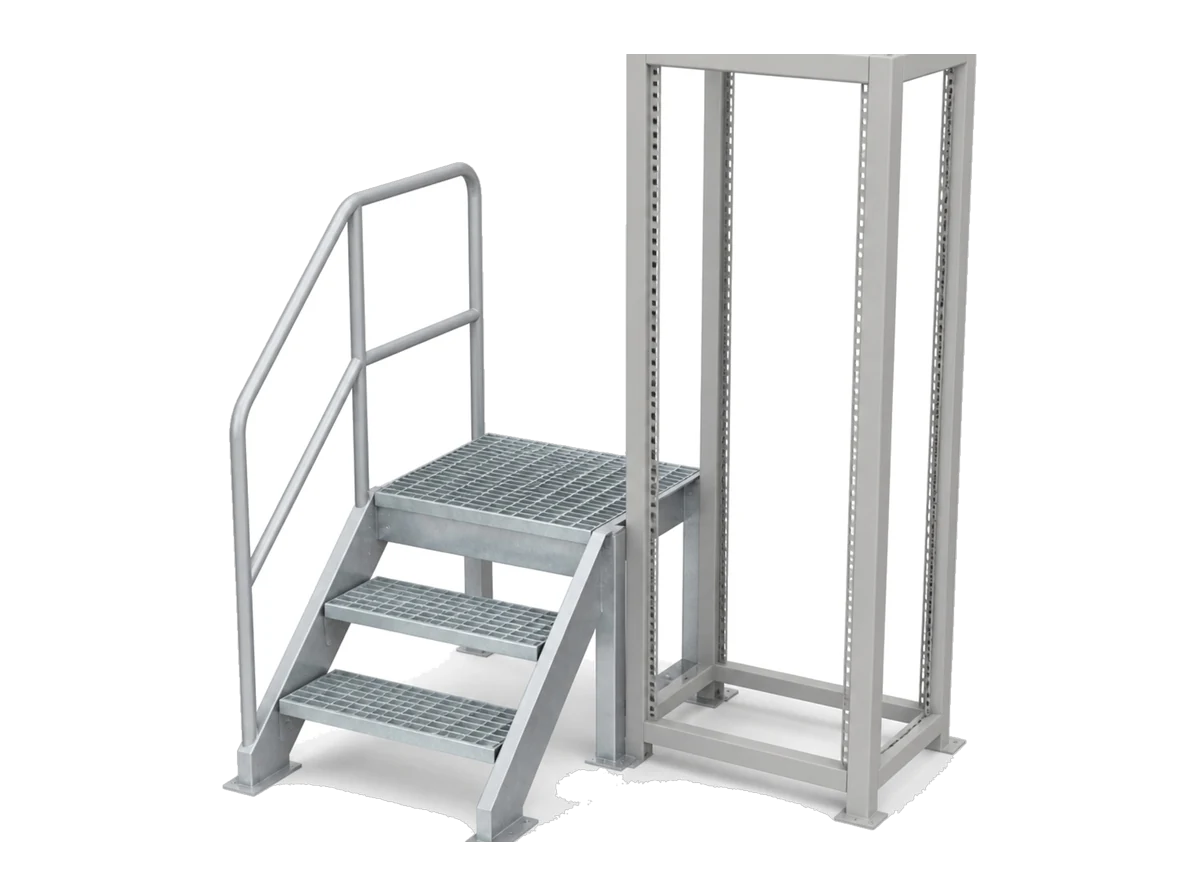
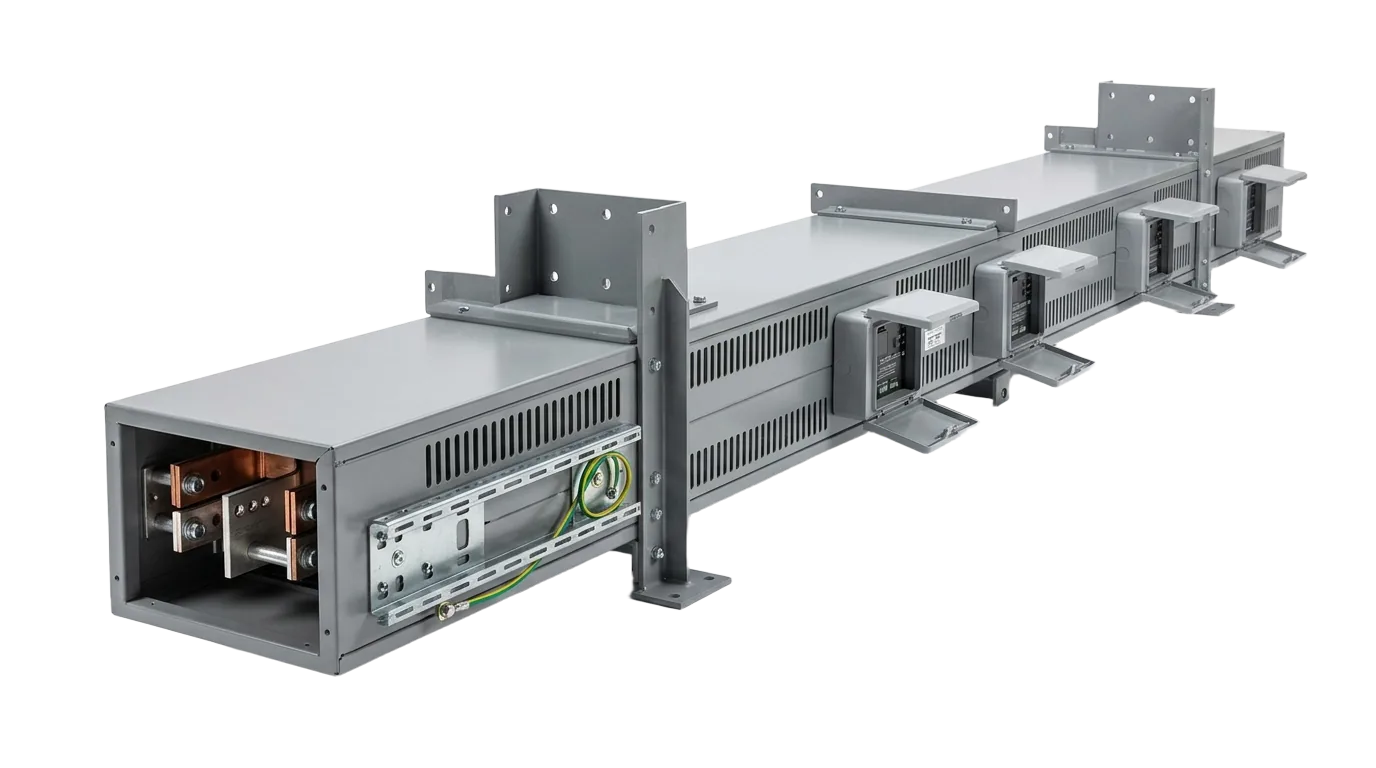
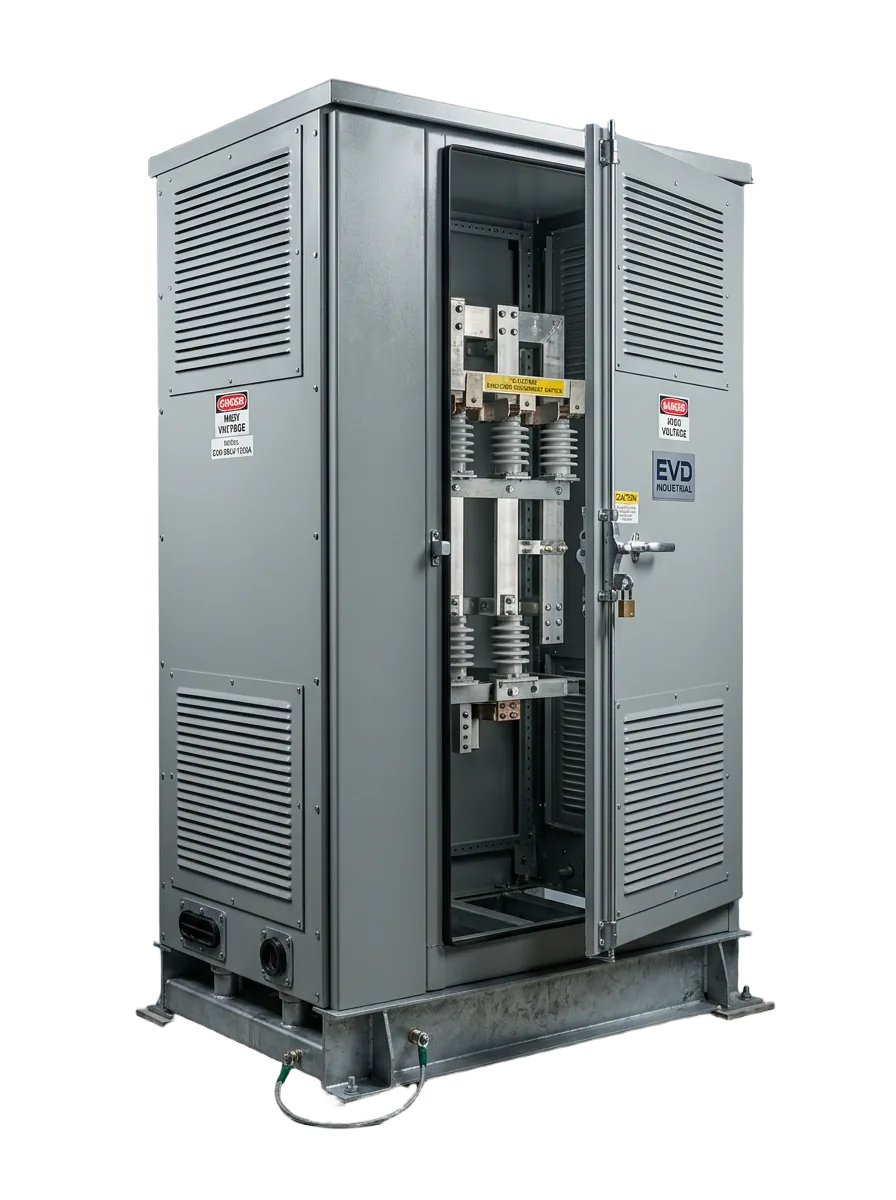
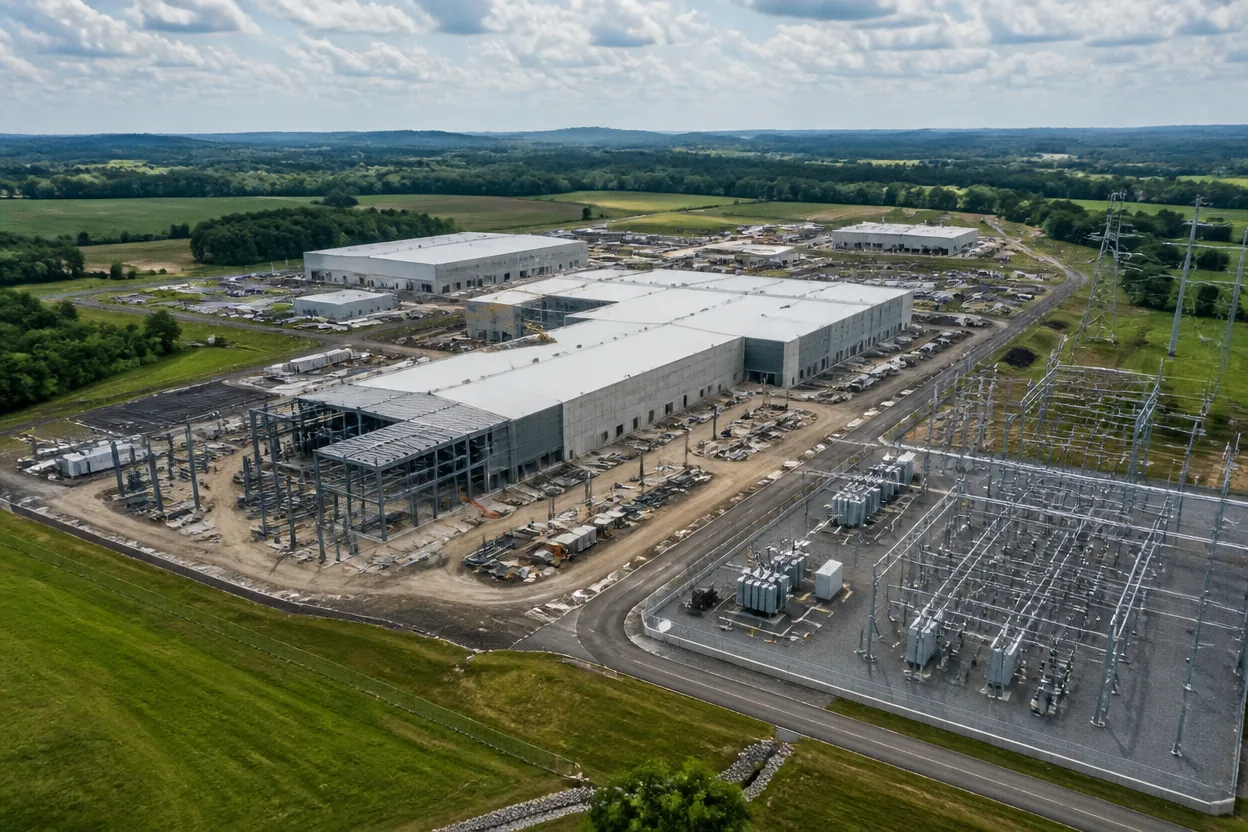
- The fab scope is high-volume, revision-heavy, and schedule-critical: bus ducts, enclosures, supports, and substation steel.
- Early design engagement, shared forecasts, and reserved revision capacity are what keep the fab package off the critical path.
Sourcing for an active project? Call 601.892.5017 or email collin.t@fabtekindustries.com — send a drawing or a scope and we’ll respond fast.
Data center construction, by the numbers
Year-to-date data center construction starts reached $84.1 billion through July 2026 — nearly three times the level of a year earlier — after full-year starts of $77.7 billion in 2025, per ConstructConnect. The average project now runs roughly $475 million, and the South accounts for well over half of the planned pipeline. The demand pulls power infrastructure with it: power infrastructure construction grew from $9 billion in 2021 to $37 billion in 2025 and keeps climbing. We looked at what that does to equipment queues in Datacenter Power Demand and Lead Times; this post is about the metal.
Electrical supply chains are the friction
Electrical systems now consume 40–50% of a data center's construction budget, and more than half of 2025 projects experienced delays of three months or more — driven primarily by power procurement and supply chain constraints on electrical components. The bottleneck isn't the shell. It's everything that carries, houses, and supports power: bus ducts, switchgear enclosures, equipment supports, substation steel, and the transformers feeding it all.
The data center metal fabrication scope
The demand profile is distinctive. High volumes of repeatable components — duct runs and enclosures by the hundreds. Compressed schedules where the fab package is released late but needed early. Frequent mid-stream revisions as rack densities climb. And near-zero tolerance for quality escapes, because a failed weld on a bus duct isn't a punch-list item — it's a commissioning delay on a $475 million asset.
On a data center, the fab package is small money and enormous schedule. Treat it accordingly.
How builders and fabricators should partner
- Engage at design, not at bid. A manufacturability review before drawings freeze — standardizing enclosure sizes and duct sections — is the cheapest schedule compression available.
- Share the forecast, not just the PO. A fabricator who can see three quarters of demand can pre-buy material, reserve slots, and staff shifts against it. One who sees a PO at a time can only react — the case we made in PO-as-You-Go vs. Long-Term Contracts.
- Reserve capacity for the revision, not just the release. Programs change mid-flight. Partners that hold surge capacity for rework and rush add-ons keep schedules; partners that don't, explain slips.
- Qualify for repeatability. Audit the quality system, weld documentation, and test records — the thousandth duct section has to match the first.
This is the demand FabTek scaled for: datacenter-grade bus ducts, switchgear and transformer enclosures, structural supports, and integrated electrical assembly — with capacity expanding ahead of demand across four Mississippi sites. If you're building in the Southeast and the electrical BOM is your critical path, let's get the fab package off it.
Frequently asked questions
How big is the data center construction market in 2026?
Year-to-date starts reached $84.1 billion through July 2026 — nearly three times the prior year — following $77.7 billion in full-year 2025 starts, with the average project around $475 million.
Why do data center projects get delayed?
More than half of 2025 projects saw delays of three months or more, driven primarily by power procurement and supply chain constraints on electrical components, which now consume 40–50% of construction budgets.
What metal fabrication goes into a data center?
Bus ducts and busways, switchgear and transformer enclosures, equipment supports and skids, and the substation steel feeding the campus — high-volume, repeatable, schedule-critical scope.
How can builders keep the fab package off the critical path?
Engage fabricators during design, share demand forecasts rather than single POs, reserve capacity for revisions and rush work, and qualify suppliers on documented quality and repeatability.