Outages feel random, but the grid is engineered to fail in predictable, contained ways. Here's what actually causes the power to go out, how the system protects itself in a fraction of a second, and why the lights sometimes flicker and come right back.
Sourcing for an active project? Call 601.892.5017 or email collin.t@fabtekindustries.com — send a drawing or a scope and we’ll respond fast.
- Most outages start with a fault — a short circuit from a downed line, tree, animal, or equipment failure.
- Protective devices — relays, breakers, reclosers, and fuses — isolate the fault in a fraction of a second.
- A recloser briefly opens and re-closes, which is why the lights sometimes flicker and return on their own.
- Rarely, a fault isn't contained and cascades — which is why the grid is designed to shed load and island itself.
What a "fault" actually is
Almost every outage begins with a fault — an unintended path for current, essentially a short circuit. A tree branch bridges two lines. A storm drops a conductor to the ground. An animal contacts energized equipment. A piece of aging hardware fails. In every case, current that's supposed to flow through a controlled circuit suddenly finds a shortcut, and current surges far above normal.
Left alone, that surge would damage expensive equipment and start fires. So the grid is built to detect it and cut power to the affected section faster than you can blink — sacrificing service on one segment to protect the larger system and the public.
The protection system: relays, breakers, reclosers, and fuses
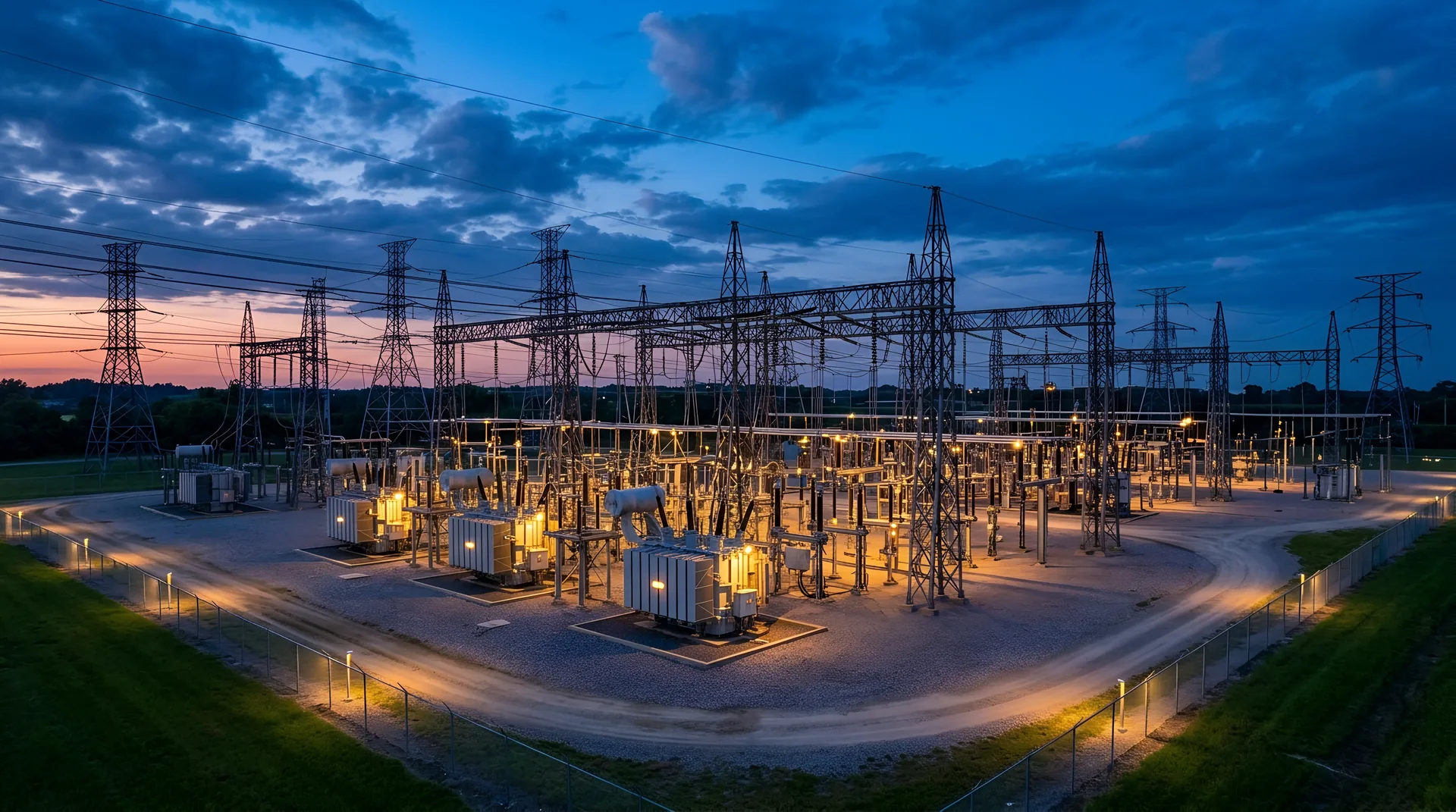
The grid's reflexes come from a layered protection system. Protective relays are the sensors and brains — they watch current and voltage and decide, in milliseconds, whether something is wrong. When a relay sees a fault, it commands a circuit breaker to open, physically interrupting the current. Further out on the distribution system, reclosers and fuses do similar work closer to the customer.
The design goal is selectivity: trip the device closest to the fault and nothing more, so the smallest possible area loses power. A well-coordinated system isolates a single bad span of line without taking out the whole feeder.
Why the lights sometimes flicker and come right back
Many faults are temporary — a branch brushes a line in the wind, then falls away; lightning induces a momentary surge. To avoid a long outage for a problem that's already gone, distribution systems use reclosers that open when they sense a fault, pause for a moment, and then automatically re-close to test the line. If the fault has cleared, power is restored in seconds and you just see a flicker. If it hasn't, the recloser tries a set number of times and then locks out, leaving that section de-energized until a crew investigates.
A flicker isn't the grid struggling — it's usually the grid successfully clearing a temporary fault before it becomes a real outage.
When one problem cascades into many
Occasionally a disturbance isn't contained. If a heavily loaded line trips, its power has to flow somewhere else, which can overload neighboring lines and trip them too. In the worst cases this chain reaction — a cascading failure — can black out a wide region in minutes. The large historical blackouts were events like this, where a local problem propagated faster than operators could react.
To guard against it, the grid is designed to protect itself even at the cost of service: it will automatically shed load, separate into smaller "islands," or take generators offline to stop a cascade from spreading. It's the same philosophy as the fuse in your home — better to lose one circuit than the whole house.
How crews bring the power back
Restoration is methodical. Operators first locate and isolate the damaged section, then re-energize the system in a controlled sequence — you can't simply switch everything back on at once without risking another fault. Priority typically goes to critical facilities and the largest number of customers first, then progressively smaller branches, down to individual services. Storms make this slower because there may be many faults at once and physical damage to repair before a line can be safely re-energized.
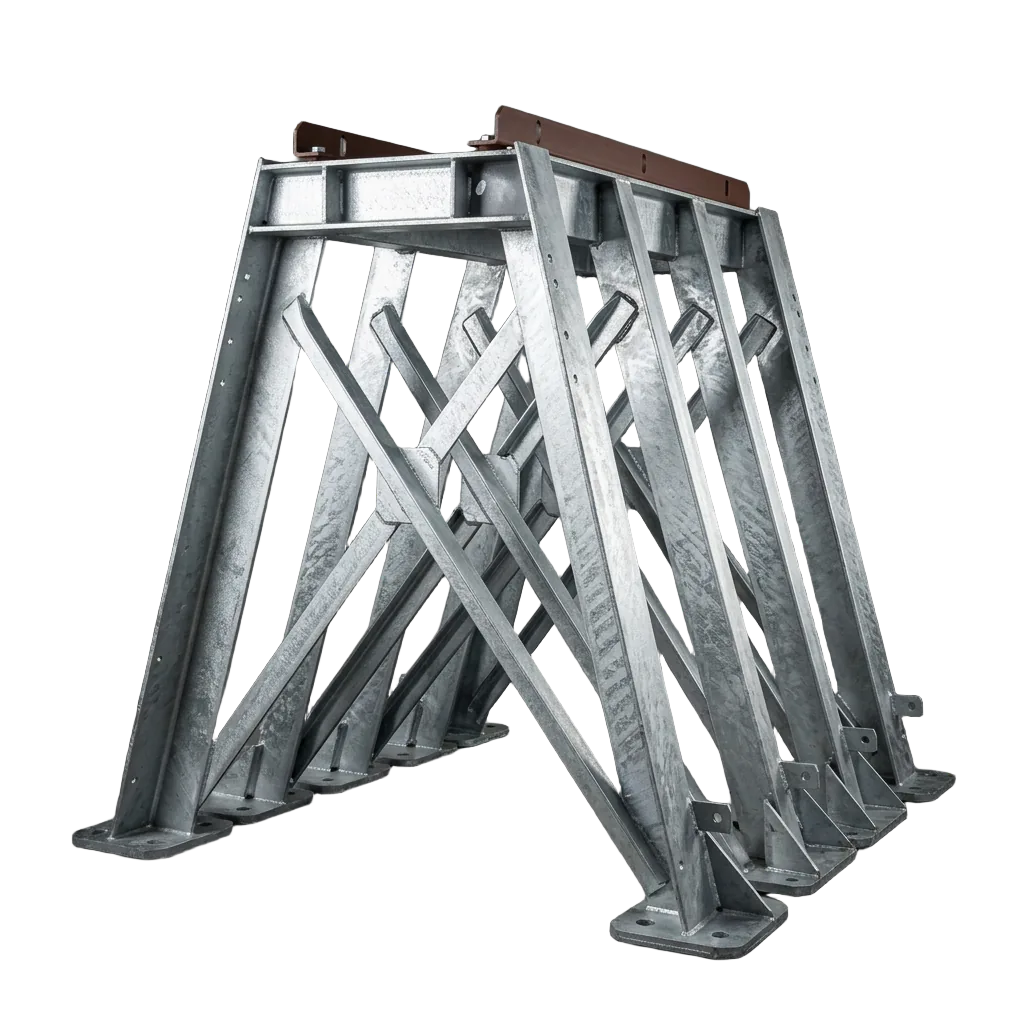
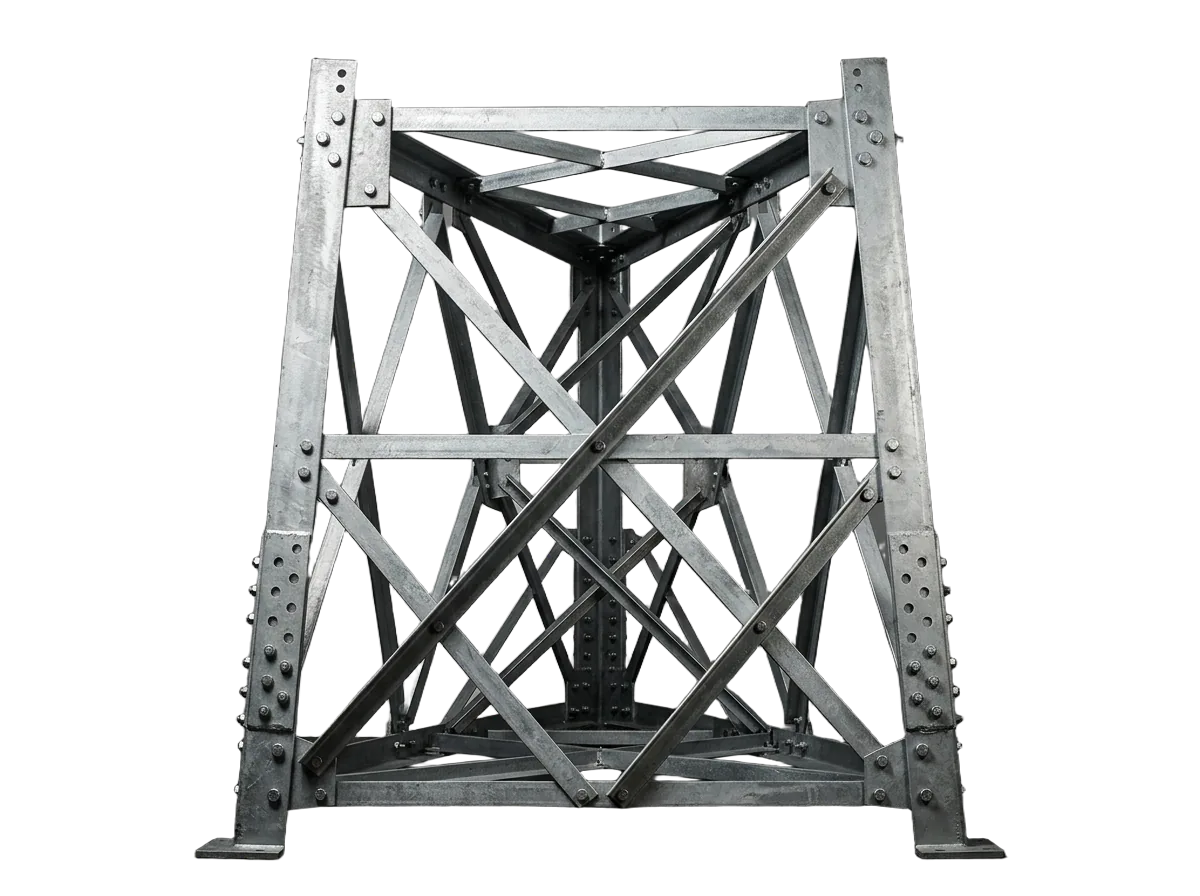
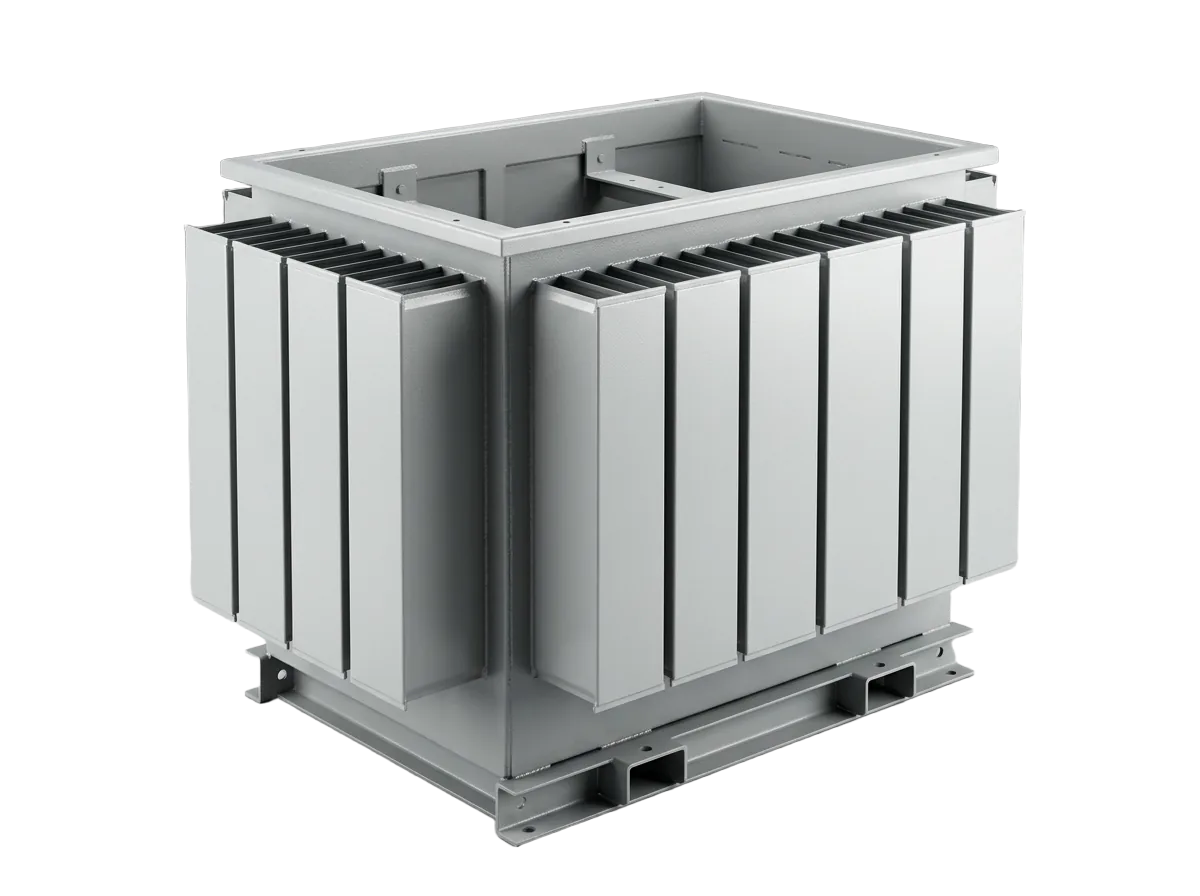
Behind all of it is a lot of hardware that has to survive the fault to begin with — substation structures, enclosures, and equipment housings built to take weather and electrical stress for decades. FabTek fabricates that kind of durable grid equipment domestically; if reliability in the field is the spec, we can build to it.