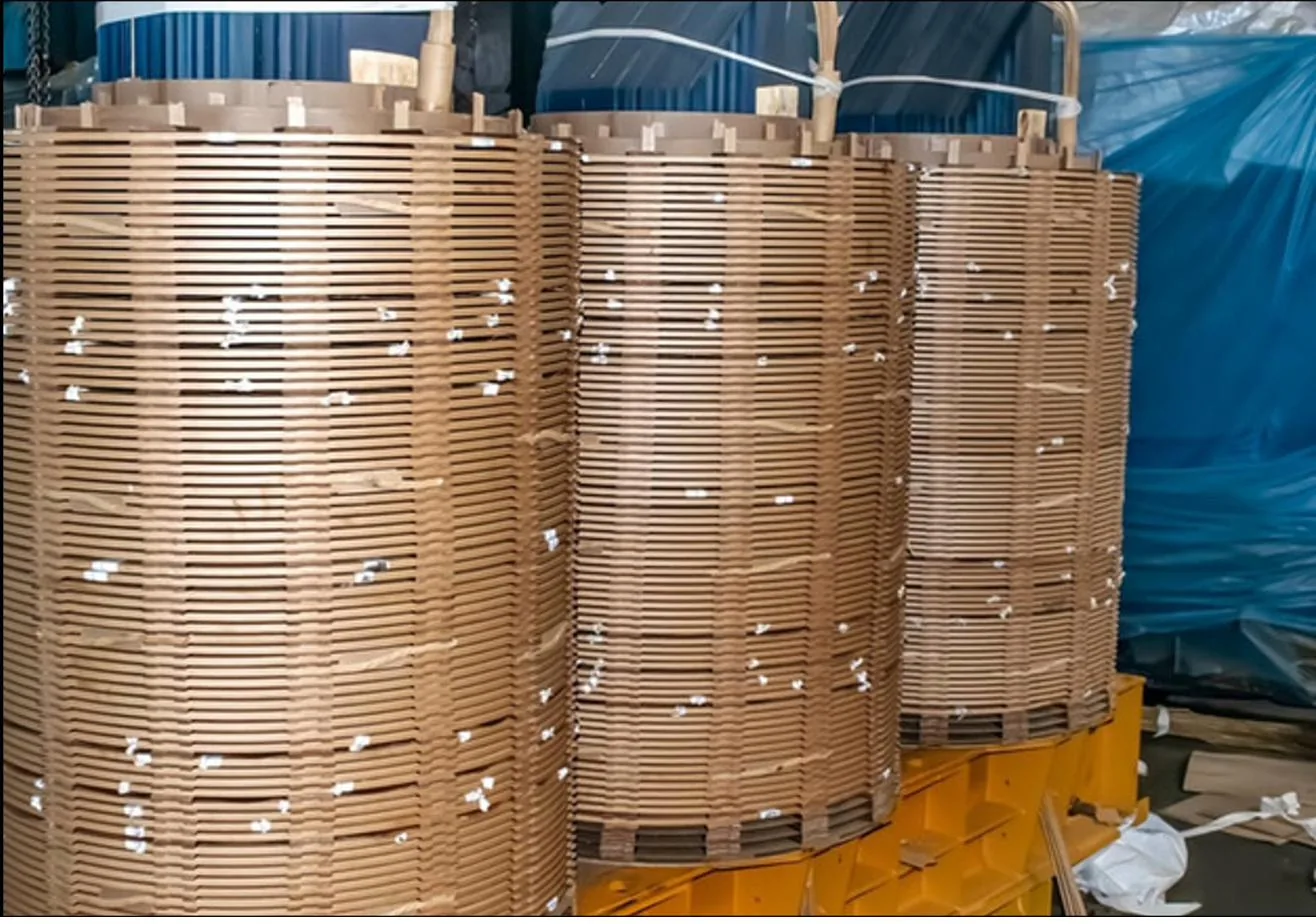
Coil winding is precise, labor-intensive work that competes for the same floor space and people as the rest of your build. Here's when outsourcing windings makes sense — and what to verify before you do.
- Outsource winding when it frees constrained capacity or skills you'd rather deploy elsewhere.
- Verify the contractor's quality system and traceability — windings are not where you want surprises.
- A single source for windings and the metal build removes coordination between two vendors.
- Confirm test and documentation practices before the first lot.
When outsourcing winding makes sense
Outsourcing coil winding is worth it when it frees up constrained capacity, skilled labor, or floor space you'd rather put toward higher-value work — or when demand spikes past what your own line can absorb. The economics favor it when a contract winder can match your quality while smoothing your capacity. Confirm the shop runs winding as a core capability, not a side line.
What to verify in a contract winder
Windings are not where you want surprises. Confirm an ISO 9001:2015 quality system with documented work instructions, material traceability, and inspection at each stage. Ask how they handle insulation, impregnation, and test — the details that separate a winding that lasts from one that fails in service.
Windings are easy to get 95% right and expensive to get 100% right. The documentation is how you prove which one you got.
The single-source advantage
When the windings and the metal enclosure come from one shop, you remove the coordination between two vendors — drawings, schedules, and accountability all sit in one place. FabTek builds both the metal and the electrical work, which for transformer OEMs means a single source for the cabinet and the coiling.
Test and documentation
Before the first production lot, agree on test methods, acceptance criteria, and the records you'll receive. Documented test results aren't paperwork — they're how you prove conformance and protect the field reliability of the finished unit.
Before you place the work
- Winding is a core capability for the shop, not occasional work.
- An ISO 9001:2015 system with traceability is in place.
- Insulation, impregnation, and test practices are documented.
- Acceptance criteria and the records you'll receive are agreed up front.
- Consider single-sourcing windings with the metal build.
FabTek winds and assembles under one roof alongside its metal fabrication. Send your specs and we'll scope the work.
Frequently asked questions
What is contract coil winding?
Contract coil winding is outsourcing the winding of transformer coils to a specialist manufacturer, who produces windings to your specification under their quality system.
When should a manufacturer outsource transformer windings?
When it frees constrained capacity, skilled labor, or floor space, or when demand exceeds in-house capacity — provided the contractor can match your quality and traceability.
What should I verify in a contract winder?
An ISO 9001:2015 quality system, material traceability, documented winding and impregnation practices, and agreed test methods and acceptance criteria.
Can one supplier do both windings and the metal enclosure?
Yes. A single source for the windings and the metal build removes coordination between two vendors and puts schedule and accountability in one place.